How to Clean Sterling Silver: The Complete 2026 Guide

Mastering precisely how to clean sterling silver is essential for maintaining your treasured pieces' brilliance in 2026. Forget costly professional polishing; you can effortlessly rejuvenate that flawless, mirror-like finish from home using safe, everyday pantry ingredients.
By mastering these proven home methods, you can quickly lift away stubborn tarnish without ever risking damage to the delicate precious metal. Proper maintenance ensures your religious jewelry remains a pristine, glowing symbol of faith meant to be passed down for generations.
While sterling silver is renowned for its luminosity and durability, its chemical composition makes it naturally prone to tarnishing over time. Whether you possess a cherished heirloom or a new piece from our collection, understanding the metallurgy behind tarnish and the correct restoration techniques is essential for preserving the spiritual and aesthetic value of your jewelry.
Table of Contents
Why Sterling Silver Tarnishes
Before attempting to clean your jewelry, it is vital to understand why the discoloration occurs. Tarnish is not a sign of poor quality; rather, it is a chemical inevitability for genuine 925 sterling silver. Pure silver (99.9%) is generally too soft for crafting durable jewelry, so it is alloyed with copper to create sterling silver, which consists of 92.5% silver and 7.5% other metals.
The copper component is primarily responsible for tarnishing. When exposed to sulfur-containing gases in the air (sulfur dioxide), the metal undergoes a chemical reaction that forms silver sulfide. This compound creates the darkening layer known as tarnish. For deeper context on religious jewelry care, visit our comprehensive jewelry care guide which details how environmental factors impact different precious metals.
The Role of Environmental Factors
Several external elements accelerate this oxidation process. High humidity, exposure to salty air near the ocean, and even the pH levels of your skin can speed up the reaction.
Beyond environmental factors, common everyday substances like perfumes, hairsprays, and lotions contain chemicals that react aggressively with the silver alloy. Recognizing this chemistry is empowering, as it clearly demonstrates that tarnish is a reversible process.
Unlike rust, tarnish is merely a surface layer that actually protects the underlying metal. With the right techniques, you can remove this layer safely, instantly revealing the brilliant original luster of the piece.
Essential Cleaning Materials
You do not need expensive equipment to achieve professional results. Most of the effective cleaning agents are likely already in your pantry. However, the quality of your tools matters to prevent scratching the delicate surface of the silver.
Gather the following items before you begin:
- Baking Soda (Sodium Bicarbonate): The primary agent for chemical cleaning.
- Mild Dish Soap: Ensure it is phosphate-free and fragrance-free.
- Microfiber Cloths: Never use paper towels or tissues, as wood fibers can scratch silver.
- Soft-Bristle Toothbrush: Use a baby toothbrush to reach into intricate crevices of crosses or medals.
- White Vinegar: Useful for specific chemical baths.
- Olive Oil: Used occasionally for polishing and protection.
Step-by-Step Cleaning Methods
There is no single method that suits every piece of jewelry. The correct approach depends on the severity of the tarnish and whether the piece includes gemstones. Below are the most effective techniques, ranked from gentlest to most intensive.
Method 1: The Soap and Water Bath
This should always be your first line of defense. It is safe for almost all jewelry types, including those with porous stones.
- Mix a few drops of mild dish soap into a bowl of warm (not boiling) water.
- Submerge your silver jewelry for 5-10 minutes to loosen dust and oils.
- Gently brush the piece with a soft toothbrush, paying attention to engravings or clasps.
- Rinse thoroughly with cool water and dry immediately with a microfiber cloth.

Method 2: The Baking Soda Paste
For tarnish that resists soap and water, baking soda acts as a mild abrasive that physically removes the silver sulfide layer without stripping the metal.
- Combine three parts baking soda with one part water to form a thick, toothpaste-like consistency.
- Apply the paste to the silver using a lint-free cloth or your fingers.
- Rub gently in circular motions or along the grain of the silver.
- As the cloth turns gray (picking up the tarnish), rotate to a clean section of the cloth.
- Rinse meticulously to ensure no abrasive particles remain in crevices.
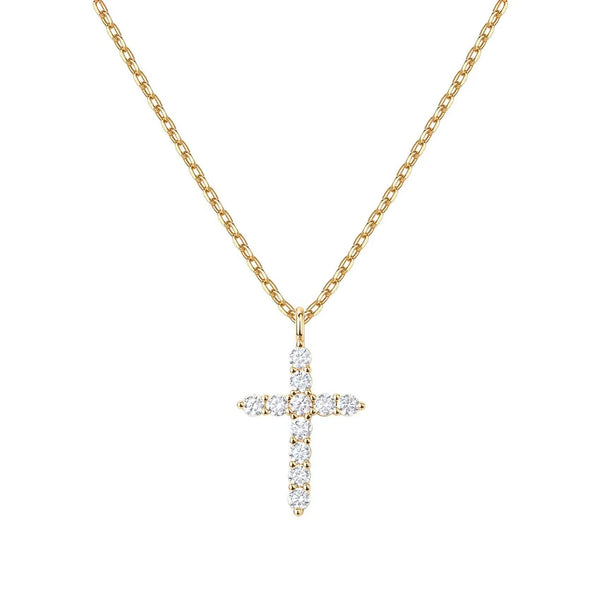
This method is particularly effective for solid metal pieces. If you are cleaning intricate items like our handcrafted Sterling Silver Cross pendants, be careful not to pack the paste into deep engravings where it might be difficult to rinse out.
Method 3: Olive Oil and Lemon Juice
This method is excellent for maintaining a high shine on pieces that are only lightly tarnished. The acidity of the lemon breaks down oxidation, while the oil acts as a polish.
- Mix 1/2 cup of lemon juice with 1 teaspoon of olive oil in a bowl.
- Dip a clean cloth into the solution and wring it out slightly.
- Rub the jewelry firmly but gently.
- Rinse well and buff dry.
The Science of Deep Cleaning
For heavily tarnished items or "blackened" silver, manual rubbing may not be enough. In these cases, you can utilize a process called electrochemical reduction. This reverses the chemical reaction, turning silver sulfide back into silver.
The Aluminum Foil Electrolysis Method
This technique is fascinating and highly effective, essentially creating a small battery in your sink that transfers the sulfur from the silver to the aluminum.
- Line a glass or ceramic bowl (never metal) with aluminum foil, shiny side up.
- Pour in boiling water, filling the bowl enough to submerge your jewelry.
- Add one tablespoon of baking soda and one tablespoon of salt to the water. Expect bubbles.
- Place your silver jewelry into the bowl, ensuring it touches the aluminum foil directly.
- Let it sit for 2 to 10 minutes, depending on the severity of the tarnish.
- Remove carefully with tongs, rinse with cool water, and dry.
You may smell a sulfurous odor (like rotten eggs) during this process; this is the sulfur leaving your silver. While highly effective, this method should be used sparingly. Frequent use can eventually dull the finish of highly polished items.

Protecting Gemstones and Pearls
Not all silver jewelry is solid metal. Many religious pieces feature gemstones, pearls, or enamel inlays. The cleaning methods described above, particularly the electrochemical bath and baking soda scrub, can destroy delicate organic stones.
Handling Porous Stones
Pearls, opals, turquoise, and emeralds are porous. Soaking them in water can weaken adhesives, and chemical reactions can strip their luster.
For these items, simply wipe the silver portions with a damp cloth, avoiding the gemstone entirely. If you own pieces from our elegant Silver collection that feature mother-of-pearl or other organic inlays, avoid submerging them. Instead, use a specialized jewelry polishing cloth treated for silver.
Cleaning Method Comparison
| Method | Effectiveness | Risk Level | Best Used For |
|---|---|---|---|
| Soap & Water | Low/Maintenance | Very Low | Gemstones, Pearls, Daily Dust |
| Baking Soda Paste | High | Medium | Solid Silver, Heavy Tarnish |
| Aluminum Foil Bath | Very High | High | All-Metal Chains, Severe Blackening |
| Polishing Cloth | Medium | Low | Finishing touches, Daily Shine |
Prevention & Maintenance Strategies
The best way to clean silver is to prevent tarnish from forming in the first place. While you cannot stop the chemical reaction entirely, you can significantly slow it down with proper storage and wearing habits.
Proper Storage Solutions
Oxygen and moisture are the enemies of sterling silver. Store your pieces in an airtight container, preferably a jewelry box lined with tarnish-resistant fabric. You can also purchase anti-tarnish strips to place inside your storage area; these strips absorb sulfur from the air before it reaches your jewelry.
Never store silver in bathroom cabinets, cardboard boxes, or direct sunlight. The humidity in bathrooms accelerates oxidation, while cardboard often contains sulfur that will turn silver black quickly.
Wear Your Jewelry Often
Surprisingly, one of the best ways to keep silver clean is to wear it. The natural oils in your skin can actually help clean the silver and keep it shiny. This is particularly true for items worn daily, such as a crucifix or wedding band. However, be sure to wipe the piece down after removal to clear away any sweat, which can be acidic.
2026 Note: As sustainable jewelry care dominates 2026 trends, collectors are stepping away from harsh chemical dips in favor of non-toxic, eco-friendly maintenance. By integrating mindful daily wear and gentle friction from trending minimalist layering, you can naturally buff your sterling silver pieces while significantly reducing your environmental footprint.

Common Mistakes to Avoid
In the pursuit of a quick fix, many people turn to internet hacks that cause irreparable damage. Here are the specific practices you must avoid to protect your investment.
The Toothpaste Myth
While toothpaste was once considered a viable hack for cleaning silver decades ago, this approach is now entirely outdated. Modern toothpaste formulations contain harsh micro-abrasives, such as silica and advanced whitening agents, which are far too abrasive for delicate sterling silver.
Relying on toothpaste will inevitably leave microscopic scratches across the surface, irreparably dulling its brilliant shine and causing the metal to tarnish much faster in the future.
Bleach and Chlorine
Never wear sterling silver in a swimming pool or hot tub. Chlorine is a harsh chemical that can pit and discolor silver permanently. If your jewelry comes into contact with bleach while cleaning the house, rinse it immediately. According to metallurgical data on silver alloys, exposure to strong chlorides breaks down the copper alloy structure, leading to brittleness and structural failure over time.
Frequently Asked Questions
How often should I clean my sterling silver jewelry?
You should clean your sterling silver every 2-3 months for pieces you wear regularly, or immediately if you notice yellowing or darkening. For items stored for long periods, inspect them annually. Light maintenance with a polishing cloth can be done weekly.
Is 925 sterling silver waterproof?
Technically, water does not damage pure silver, but the water we encounter is rarely pure. Tap water contains chlorine and salts that cause tarnish. It is best to remove silver jewelry before showering, swimming, or washing dishes to prolong its luster.
Can I use a silver dip cleaner?
Silver dips are powerful chemical solvents. While they work instantly, they also strip away a microscopic layer of silver every time you use them. Overuse will leave the silver looking flat and lifeless. We recommend using them only as a last resort for severe tarnish.
Why did my silver turn black overnight?
Sudden blackening usually indicates exposure to a strong sulfur source. This could be from rubber bands, latex gloves, certain foods (like eggs or mayonnaise), or even medication changes that alter your skin's pH acidity. The baking soda method usually fixes this.
Conclusion: Preserving Your Faith
Caring for your sterling silver is a ritual that honors the craftsmanship and the spiritual significance of the piece. By using simple home ingredients like baking soda and mild soap, avoiding harsh chemicals, and storing your items correctly, you ensure that your jewelry remains a brilliant testament to your faith for generations.
At Bennett & Cross, we design our jewelry to withstand the test of time, but regular care is the key to longevity. Browse our Sterling Silver Cross collection to discover pieces that combine durable craftsmanship with timeless devotion, all backed by our comprehensive 1-year warranty.