How to Care for Gold Jewelry: Expert Care Guide (2024)

To truly preserve your sacred pieces in 2026, understanding how to care for gold jewelry is paramount. The best way to care for gold jewelry involves a gentle soak in warm, soapy water for 15-30 minutes. This essential ritual maintains their brilliant luster and protects their deep spiritual significance.
Understanding how to care for gold jewelry is essential not just for maintaining the brilliant luster of your precious metals, but for preserving the deep spiritual significance embedded in your religious heirlooms. For deeper context on establishing a complete maintenance routine for all your sacred pieces, visit our comprehensive jewelry care guide to ensure your faith-inspired accessories remain pristine for generations.
Table of Contents
- Understanding Gold Care History and Meaning
- Why Proper Gold Jewelry Care Matters
- Essential Materials for Gold Jewelry Care
- Step-by-Step Cleaning Guide
- Advanced Care for Gemstone and Religious Pieces
- Daily Prevention and Storage Practices
- Common Gold Maintenance Mistakes to Avoid
- Frequently Asked Questions
- Conclusion
Understanding Gold Care History and Meaning
For millennia, gold has stood as the ultimate symbol of divinity, purity, and unwavering faith. Its inherent resistance to tarnish and corrosion led early civilizations to see it as a reflection of the divine's eternal nature. Yet, preserving this heavenly shine has always demanded human dedication and deep respect for the material.
When we look back at how to care for gold jewelry history, we see ancient Byzantine and Renaissance goldsmiths employing natural oils, fine ashes, and soft chamois leather to gently polish chalices, reliquaries, and pectoral crosses. These early techniques laid the foundation for modern metallurgical care, proving that regular, gentle maintenance has always been crucial to preserving sacred artifacts.

Spiritual Symbolism of Gold Maintenance
A profound theological metaphor resides within the diligent maintenance of precious metals. Exploring the deeper 'how to care for gold jewelry' meaning unveils a beautiful parallel to spiritual discipline. Just as our faith demands regular attention, prayer, and renewal to remain vibrant, our sacred symbols similarly require physical care to sustain their brilliance.
Understanding how to care for gold jewelry symbolism elevates a simple cleaning routine into an act of reverence. By taking the time to polish a cross or a saint's medal, the wearer honors the sacrifice and devotion that the jewelry represents, ensuring the piece continues to serve as a shining testament to their beliefs pearl cross designs.
Why Proper Gold Jewelry Care Matters
While 24-karat gold is naturally resistant to oxidation, the reality of wearable jewelry requires alloying. Most high-quality religious jewelry is crafted from 14K or 18K gold, which incorporates metals like copper, silver, or palladium to provide the strength necessary for daily wear. These added alloys are the primary reason why maintenance is required.
The core how to care for gold jewelry benefits include preventing the dulling of these secondary metals and protecting the physical integrity of the piece. Everyday exposure to lotions, natural body oils, and environmental pollutants creates a microscopic film over the metal, significantly diminishing its natural light refraction and making the piece look prematurely aged.
Preserving Craftsmanship and Detail
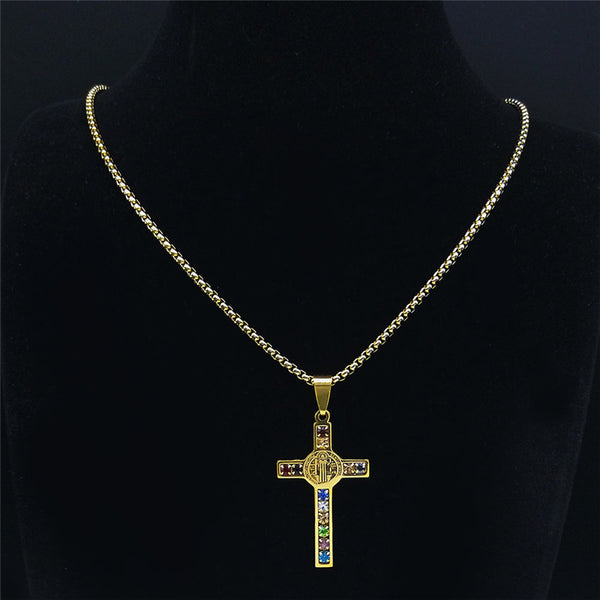
Religious jewelry often features intricate filigree, deep engravings, and delicate textures that easily trap dirt and debris. When you browse our premium Gold Cross collection to see how craftsmanship translates to durability and shine, you immediately notice the precision of the diamond cuts and sculpted edges.
Without regular cleaning, accumulated grime can harden in these recessed areas, masking the artisan's handiwork. Furthermore, severe buildup can eventually harbor moisture or mildly acidic compounds against the metal alloys, slowly degrading the crispness of the design over decades of wear.
Essential Materials for Gold Jewelry Care
When considering what is how to care for gold jewelry safely at home, preparation is your greatest asset. Using the right materials ensures you do not inadvertently introduce micro-scratches to the soft surface of the gold. Gold ranks between 2.5 and 3 on the Mohs hardness scale, making it highly susceptible to abrasive damage.
To safely restore the luster of your 14k gold jewelry, you need a specific set of gentle, non-reactive supplies that will break down organic buildup without attacking the metal's structure.
Safe Cleaning Agents to Gather
Creating a safe home-cleaning kit requires items you likely already possess, but they must be selected with strict criteria in mind to protect your investments.
- A small glass or ceramic bowl (avoid metal bowls to prevent scratching).
- Mild, fragrance-free liquid dish soap (the fewer chemical additives, the better).
- A brand new, extra-soft bristle toothbrush reserved specifically for jewelry.
- A high-quality, lint-free microfiber cloth or professional jeweler's rouge cloth.
- A standard fine-mesh kitchen strainer.
Tools and Chemicals to Avoid
Equally important to knowing what to use is knowing what to avoid. Never use baking soda or toothpaste on gold, as these common household cleaners contain abrasives that will instantly create microscopic scratches, permanently dulling the finish. Additionally, avoid paper towels or tissues, as wood-pulp fibers are surprisingly abrasive to precious alloys.

Step-by-Step Cleaning Guide
Mastering gold jewelry care means following a methodical, gentle process. This technique is universally recognized by professional jewelers as the safest approach for standard yellow, white, and rose gold pieces that do not contain porous gemstones.
Whether you are maintaining a simple wedding band or intricate 14K Gold religious jewelry, adhering to these steps every month will keep your collection in pristine, heirloom-quality condition.
The Soak and Loosen Method
The secret to effective cleaning without scratching is allowing surfactants to do the heavy lifting. Fill your glass bowl with warm water—ensure it is warm to the touch, but never boiling, as extreme temperature changes can stress the metal or affect soldered joints.
Add a few drops of your mild dish soap and agitate the water to create suds. Place your gold jewelry into the solution and let it soak completely undisturbed for 15 to 30 minutes. This critical soaking phase gently dissolves the complex lipids from body oils and softens any hardened cosmetics trapped in the engravings.
Gentle Brushing Techniques
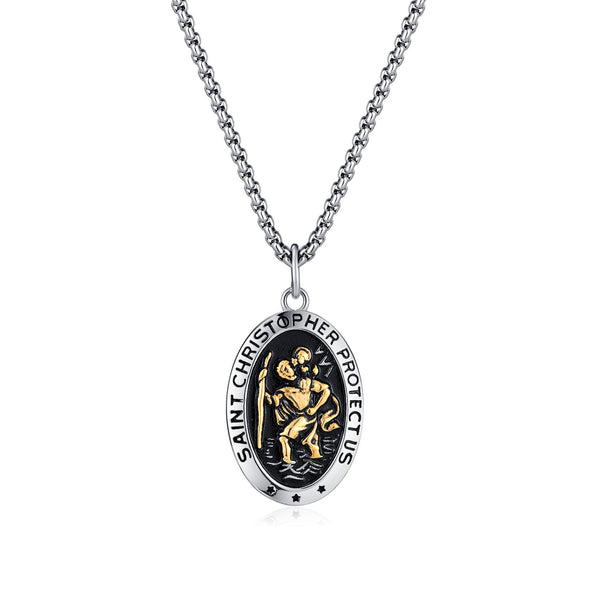
After the soaking period, remove the piece and inspect it. For highly detailed religious medals or diamond-cut crosses, take your dedicated soft-bristle toothbrush and gently tap and sweep across the surface. Do not apply heavy pressure; use a light, circular motion.
Pay special attention to the back of the pendant and the inside of the chain links, as these areas rest directly against the skin and accumulate the most buildup. The goal is to sweep away the softened debris, not to scrub the metal itself.
Rinsing and Polishing
Place your jewelry inside the fine-mesh strainer. This is a crucial safety step to ensure a slippery piece doesn't fall down the sink drain. Rinse the jewelry thoroughly under a gentle stream of warm running water until all soap residue is completely gone.
Finally, lay the piece on your microfiber cloth and gently pat it dry. Do not aggressively rub the piece. Allow it to air dry completely for another 15 minutes before storing or wearing it, ensuring no moisture remains trapped within the chain links or clasps.
Advanced Care for Gemstone and Religious Pieces
Many religious artifacts feature combinations of different materials, requiring a nuanced approach to maintenance. If your gold cross contains inset diamonds, sapphires, or rubies, the warm soap and water method remains perfectly safe, as these are highly durable, non-porous stones.
2026 Note: We observe a growing appreciation for quiet luxury and minimalist layering in sacred jewelry. Believers increasingly seek pieces that blend seamlessly into daily wear, emphasizing enduring craftsmanship and subtle elegance. This trend underscores the importance of mindful care to maintain their lasting beauty.
However, if your collection includes diverse materials, you must adapt your techniques. For instance, you may find yourself needing to know how to clean sterling silver properly, as silver requires specific tarnish-removing methods that differ entirely from the gentle surfactant approach used for gold.
Handling Porous Materials
Extreme caution must be exercised if your gold jewelry features porous organic materials. If you own pieces incorporating mother-of-pearl, opal, or coral, you cannot submerge them in water for extended periods. Water can seep into the micro-fissures of these organics, causing them to expand, crack, or lose their natural iridescence.
For these delicate combinations, learning how to care for pearl jewelry is paramount. The safest method involves skipping the soak entirely and simply wiping the gold elements with a barely damp microfiber cloth, taking extreme care to avoid the pearls or porous stones altogether.
Mixed-Metal Considerations
In modern religious jewelry, it is common to see two-tone designs featuring both 14K yellow gold and sterling silver elements. When caring for these mixed pieces, always default to the gentlest cleaning method suitable for the most delicate material present.
If tarnish develops heavily on the silver portions, avoid chemical dips that might strip the polishing compounds from the gold. Instead, explore specific guides on how to clean silver and turquoise jewelry to understand how localized polishing cloths can address tarnish without risking damage to adjacent precious metals.
Daily Prevention and Storage Practices
Proactive prevention is the most effective form of jewelry maintenance. By controlling what your gold pieces are exposed to on a daily basis, you significantly reduce the frequency of deep cleaning required, thereby extending the lifespan of the metal's brilliant finish.
According to extensive metallurgical research detailed in Wikipedia's authoritative documentation on gold, while the pure element is non-reactive, the alloying elements like copper and zinc remain highly vulnerable to environmental oxidation and chemical attack.
Environmental Hazards to Avoid
Make it a strict habit to apply all cosmetics, perfumes, hairsprays, and lotions before putting on your gold jewelry. These products contain chemical compounds that create a dulling film upon contact. The golden rule of jewelry wear is: "Last on, first off."
Additionally, always remove your religious jewelry before exercising, showering, or engaging in heavy household cleaning. Sweat contains natural trace acids, while household cleaners often contain harsh abrasives that will immediately compromise the highly polished surface of your premium gold accessories.
Optimal Storage Solutions
Proper storage prevents both oxidation of the alloys and physical damage. Never toss gold pieces together in a drawer or a shared jewelry box compartment, as diamonds and harder metals will easily scratch the soft gold surfaces.
Store each piece individually in a soft cloth pouch or a dedicated, fabric-lined jewelry box compartment. For chains and necklaces, ensure the clasp is closed and the chain is laid flat or hung straight to prevent severe knotting and stress on the delicate links.

Common Gold Maintenance Mistakes to Avoid
Even with the best intentions, many individuals unknowingly damage their precious religious heirlooms by utilizing internet "hacks" or aggressive chemical cleaners. Protecting your investment requires understanding the severe limitations of metal alloys.
As documented by the Gemological Institute of America (GIA) in their precious metals analysis, the alloys used in commercial gold jewelry require careful handling to prevent structural degradation and color loss.
The Dangers of Chlorine and Bleach
The single greatest enemy of gold jewelry is chlorine. Exposure to swimming pools, hot tubs, or household bleach causes a chemical reaction known as stress corrosion cracking in the alloys. Chlorine literally attacks the base metals within 14K and 18K gold, causing the piece to become brittle, porous, and prone to sudden breakage.
If your gold jewelry is accidentally exposed to chlorinated water, immediately remove it and rinse it thoroughly under fresh, warm water to dilute and wash away the reactive chemicals before they can penetrate the surface.
Over-Polishing Risks
While maintaining a brilliant shine is desirable, aggressive daily polishing is highly detrimental. Every time you vigorously rub a piece of gold with a polishing cloth, you are removing a microscopic layer of the metal. Over years of excessive polishing, prongs can thin out, engravings can disappear, and the structural integrity of the piece can fail.
Limit vigorous polishing to once a month, relying instead on gentle soaking and light wiping with a dry microfiber cloth for daily maintenance. True heirloom preservation is about balance.
Frequently Asked Questions
What is the best way to care for gold jewelry safely at home?
The safest home method is soaking the jewelry in a mixture of warm water and a few drops of mild, fragrance-free dish soap for 15-30 minutes. Gently brush with a soft-bristle toothbrush, rinse thoroughly under running water, and pat completely dry with a microfiber cloth.
How often should I clean my 14k gold jewelry?
For pieces you wear daily, a light cleaning every 2 to 4 weeks is ideal to remove body oils and lotions. A professional, deep cleaning and inspection by a jeweler should be scheduled once a year to check for loose settings or worn clasps.
Can I wear my gold cross necklace in the shower?
While occasional water exposure won't immediately destroy gold, regular showering is highly discouraged. Soaps, shampoos, and hard water minerals leave a stubborn, dulling residue on the metal, and the heat can cause the metal alloys to expand slightly, potentially loosening gemstone settings.
Will hand sanitizer ruin my gold rings or bracelets?
Standard alcohol-based hand sanitizers will not permanently ruin solid yellow or rose gold, but they can dull the shine temporarily. However, you should strictly avoid hand sanitizers if your jewelry features white gold (which can lose its rhodium plating) or porous gemstones like pearls.
Why is my gold jewelry turning black or tarnishing?
Solid pure gold does not tarnish, but the alloys in 14k and 18k gold (like copper and silver) can react to high acidity in your skin, heavy cosmetics, or sulfur in the air. This causes a dark residue that can usually be wiped away with a professional jewelry polishing cloth.
Conclusion: Preserving Your Faith Heirlooms
Properly maintaining your religious jewelry ensures that these sacred symbols remain as brilliant and enduring as the faith they represent. By utilizing gentle cleaning methods, avoiding harsh household chemicals, and practicing smart daily wear habits, your precious pieces will resist wear and retain their magnificent luster for a lifetime.
When you invest in high-quality craftsmanship, maintenance becomes a simple act of devotion rather than a difficult chore. Explore our premium Gold Cross collection to discover breathtaking religious artistry, backed by the Bennett & Cross 1-Year Warranty and our unwavering commitment to enduring quality.