How to Clean Gold Plated Jewelry: Ultimate Care Guide (2026)

In 2026, preserving your sacred gold plated jewelry is simpler than you think. Learn exactly **how to clean gold plated jewelry** effectively to maintain its radiant luster without damage. Our expert guide helps you gently clean your cherished pieces, ensuring their finish remains pristine for years of faithful wear.
To achieve this, mix mild fragrance-free soap with warm water and gently wipe the piece with a soft cotton ball or microfiber cloth. Avoid harsh chemicals, abrasive brushes, or jewelry polishing cloths designed for silver, as these can strip away the thin layer of gold and expose the base metal underneath.
Gold plated jewelry allows the faithful to wear symbols of devotion that radiate the warmth of solid gold at a more accessible price point. However, because the gold layer is bonded to a base metal like brass or copper, it requires specific, delicate care to prevent tarnishing and fading. With the right maintenance routine, your cherished pieces from Bennett & Cross can retain their divine luster for years to come. For deeper context on religious jewelry care across all materials, visit our comprehensive jewelry care guide to understand the standards of preservation we recommend.
Table of Contents
Understanding Gold Plated Jewelry
Before diving into the cleaning process, it is crucial to understand exactly what gold plated jewelry is. Unlike solid gold, which is a consistent alloy throughout the piece, gold plated jewelry consists of a base metal—usually brass, copper, or sterling silver—that is dipped into a solution containing gold particles. An electric current is used to bond a microscopic layer of gold to the surface.
This structural difference is why gold plated items tarnish while high-karat solid gold generally does not. The tarnish you see is rarely the gold itself oxidizing; rather, it is the molecules of the base metal (copper or brass) slowly migrating to the surface and reacting with oxygen and sulfur in the air. Additionally, if the gold layer is scratched or worn thin by abrasive cleaning, the base metal becomes exposed, accelerating the discoloration process.
The Thickness Factor
The durability of the plating is determined by its thickness, measured in microns. Fashion jewelry often has a "flash plating" of less than 0.175 microns, which can wear off quickly. High-quality religious jewelry, like the pieces in our collections, often utilizes thicker plating or "vermeil" (gold over silver) to ensure longevity. Understanding this helps you realize why gentle care is non-negotiable; you are preserving a finite layer of precious metal.
Essential Cleaning Materials
One of the great advantages of cleaning gold plated jewelry is that you do not need expensive professional equipment. In fact, professional ultrasonic cleaners are often too harsh for plated items and can cause the gold to flake off. The best tools are likely already in your home.
What You Will Need
- Mild Liquid Dish Soap: Choose a basic formula without added moisturizers, antibacterial agents, or heavy fragrances. These additives can leave a film on the jewelry.
- Warm Water: Not boiling, not cold. Lukewarm water is best for loosening oils without shocking the metal or gemstones.
- Soft Microfiber Cloths: Avoid paper towels or tissues, which are made of wood pulp and can cause microscopic scratches on the gold surface.
- Cotton Balls or Swabs: Essential for reaching into tight corners of crucifixes or lockets.
- Two Small Bowls: One for the cleaning solution and one for rinsing.

Step-by-Step Cleaning Guide
This method is the gold standard for maintaining the brilliance of your plated pieces without risking damage to the finish. It relies on the gentle surfactant action of soap rather than chemical abrasion.
Prepare the Solution
Fill one of your small bowls with lukewarm water. Add a few drops of mild dish soap. Stir the mixture gently until bubbles form. You want a soapy solution, but it shouldn't be a thick foam. The goal is to create a solution that can break down body oils, sweat, and accumulated dust.
The Soaking Phase (Use Caution)
If your jewelry is heavily soiled, you can let it soak in the soapy water. However, keep this time limited to 5-10 minutes. Do not soak jewelry that contains porous gemstones like pearls, opals, or turquoise, or pieces that have glued-in crystals, as the water can loosen the adhesive. For solid metal chains or pendants, a short soak helps loosen stubborn grime.
Gentle Cleaning
Remove the jewelry from the solution. Dip a soft cotton ball or a very soft cloth into the soapy water and gently wipe the jewelry. Do not scrub. Imagine you are wiping a fogged lens rather than scrubbing a pot. For chains, pull the chain gently through the soapy cloth several times.
For pieces with significant spiritual value and craftsmanship, such as those found in our premium Gold Cross collection, taking the time to wipe each segment carefully ensures that the detailed craftsmanship is preserved without abrasion.
Rinse Thoroughly
Transfer the jewelry to the second bowl filled with plain, lukewarm water to rinse. Alternatively, you can hold it under a gentle stream of running tap water, but always ensure the drain is plugged to prevent accidental loss. Residual soap can dry into a dull film, so thorough rinsing is essential.
Drying and Polishing
Place the wet jewelry on a soft, dry microfiber cloth. Pat it dry gently; do not rub vigorously. Once the water is removed, you can lightly buff the surface with a dry section of the cloth to restore shine. Allow the piece to air dry completely before storing it to prevent moisture from getting trapped in clasps or crevices.
Common Mistakes to Avoid
There is a lot of misinformation online regarding jewelry care. Techniques that work wonders for solid gold or sterling silver can be disastrous for gold plating. Avoiding these common pitfalls is the most important step in extending the life of your jewelry.
Avoid "Silver" Polishing Cloths
Polishing cloths sold for sterling silver often contain micro-abrasives and chemical anti-tarnish agents. While these work well to remove black tarnish from solid silver, they function by removing a microscopic layer of metal. On gold plated items, using these cloths will strip the gold layer right off, revealing the brassy base metal underneath permanently.
Say No to Toothpaste
A common "home remedy" suggests using toothpaste and a toothbrush. Never do this to gold plated jewelry. Toothpaste contains silica, which is an abrasive used to clean enamel teeth. On gold plating, it acts like sandpaper, creating a network of fine scratches that dull the shine and eventually wear through the plating.
Chemical Cleaners
Avoid dipping gold plated jewelry into commercial liquid jewelry cleaners unless the bottle specifically states it is safe for "gold plated" items. Many of these solutions are acidic and designed to eat away tarnish on solid metals. They can be too aggressive for plating. Similarly, avoid contact with bleach, chlorine (swimming pools), and baking soda pastes.
If you have inadvertently used a harsh method and are seeing base metal, or if you are dealing with a different material entirely, you might want to explore our guide on cleaning sterling silver to understand how different metals require distinct chemical approaches.

Maintenance & Prevention Tips
Prevention is always better than cure. Because the layer of gold is finite, reducing the need for deep cleaning will extend the life of your jewelry. Adopting a "Last On, First Off" rule is the best habit you can form.
The "Last On, First Off" Rule
Your jewelry should be the last thing you put on before leaving the house and the first thing you take off when you return. This minimizes contact with makeup, hairspray, perfumes, and lotions, all of which contain chemicals that can accelerate tarnishing. Allow your perfume and lotion to dry completely on your skin before putting on your necklace or bracelet.
Sweat and pH Levels
Human sweat is naturally acidic, and the pH level varies from person to person. This acidity can break down gold plating over time. If you have been active or wearing your jewelry on a hot day, rinse it with plain water immediately after taking it off to neutralize the acid. For active lifestyles, consider browsing our 14K Gold religious jewelry options or solid gold alternatives, which are more resistant to the corrosive effects of daily wear and perspiration.
2026 Note: The contemporary trend of layering and embracing minimalist, everyday devotion pieces means jewelry faces more continuous wear. Understanding **how to clean a gold plated chain** and other items for longevity is paramount, ensuring these cherished symbols of quiet faith gracefully endure changing styles.
Proper Storage
Oxygen and sulfur in the air are the enemies of plated jewelry. Do not leave your pieces sitting out on a dresser. Store each piece individually in a soft pouch or a jewelry box lined with tarnish-resistant fabric. Keeping pieces separate prevents them from scratching against each other. For long-term storage, small Ziploc bags with the air squeezed out are incredibly effective at preventing oxidation.
Cleaning Intricate Religious Jewelry
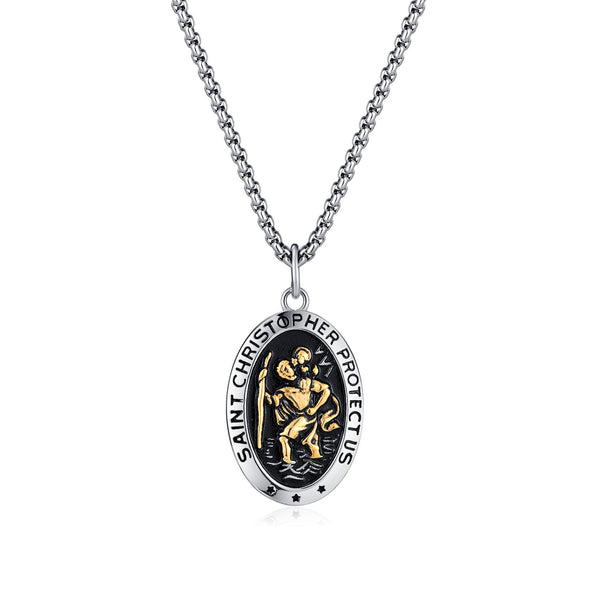
Religious jewelry often features intricate details—the texture of a crucifix, the relief of a saint's medal, or the setting of a gemstone. Dirt and oils love to accumulate in these crevices, dulling the details that make the piece special.
Using the Cotton Swab Technique
For these detailed areas, a cloth is often insufficient. Dip a cotton swab (Q-tip) into your soapy water solution. Use the tip to gently dab and twist inside the recessed areas. If the dirt is stubborn, you can use a very soft-bristle brush (like a baby toothbrush), but use extreme caution. Glide the bristles over the area without applying downward pressure.
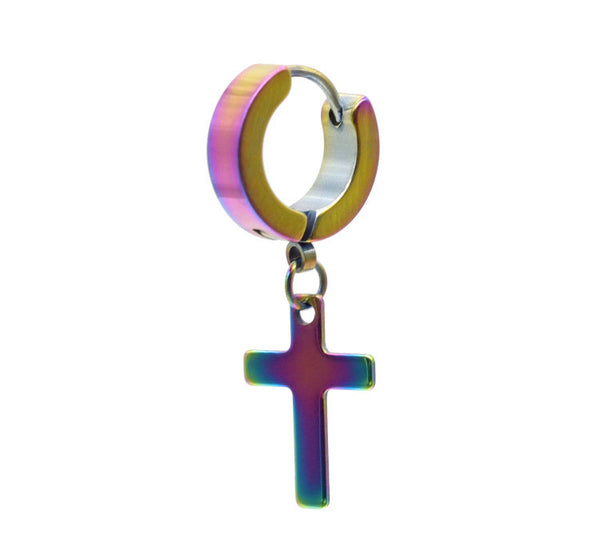
If you are wearing earrings, hygiene is doubly important. Residue can irritate sensitive piercings. We recommend reviewing our specialized guide on cleaning gold earrings to ensure both your jewelry and your ears remain in pristine condition.
Restoration vs. Replacement
Even with the best care, gold plating will eventually wear thin. This is the nature of the material. Depending on the thickness of the plating and the frequency of wear, a piece may last anywhere from one to five years before the base metal begins to show through.
When a piece has lost its luster and cleaning no longer helps, you have two options:
- Re-plating: You can take the piece to a professional jeweler to have it re-plated. This involves stripping the old plating and electrochemically bonding a new layer of gold. This is often worth it for sentimental heirlooms.
- Replacement: For many items, replacement is the more cost-effective option. If you find yourself needing to replace items frequently due to daily wear, it may be a sign to invest in Vermeil (thick gold over silver) or solid gold for your next purchase.

Frequently Asked Questions
Can I shower with gold plated jewelry?
It is highly recommended that you do not shower with gold plated jewelry. Shower water often contains chlorine (in tap water), and soaps or shampoos contain chemicals that can erode the plating. Additionally, the steam and heat can weaken the bonding of the gold layer over time.
How often should I clean my gold plated jewelry?
You should wipe down your jewelry with a dry, soft cloth after every wear to remove body oils. A deeper cleaning with soap and water should be done only when the piece looks dull or dirty, typically once every 4-6 weeks for frequently worn items. Over-cleaning can accelerate wear.
Can I use baking soda to clean gold plated jewelry?
No, you should avoid baking soda. While baking soda is effective for solid silver, it is too abrasive for gold plating. The granules can create microscopic scratches that ruin the smooth, reflective surface of the gold, causing it to look matte and eventually exposing the base metal.
Does rose gold plated jewelry require different care?
Rose gold plating gets its color from a copper alloy mixed with the gold. Because of the high copper content, it can tarnish slightly faster than yellow gold. The cleaning method remains the same (soap and water), but it is even more critical to keep rose gold dry and free from chemical exposure.
Conclusion: Preserving the Shine of Faith
Cleaning gold plated jewelry does not require harsh chemicals or expensive tools; it requires consistency and a gentle touch. By understanding the delicate nature of the plating and avoiding common abrasive mistakes, you can keep your religious jewelry looking radiant, serving as a bright symbol of your faith for years. Remember, the goal is to remove the oils and dirt sitting on the gold, not to scrub the gold itself.
According to metallurgical standards, gold plating is a sophisticated process, but its longevity is ultimately in the hands of the wearer. If you are looking to expand your collection with pieces designed for durability and spiritual elegance, we invite you to explore our primary Gold Cross collection. At Bennett & Cross, we stand behind the craftsmanship of every piece, ensuring that your symbols of devotion are worthy of the faith they represent.