How to Clean White Gold: 7 Expert Care Steps (2026)

In 2026, preserving the enduring brilliance of your white gold jewelry is more important than ever. The safest and most effective method for how to clean white gold involves soaking the piece in lukewarm water mixed with mild, phosphate-free dish soap for fifteen minutes, followed by a gentle brushing with a soft-bristle toothbrush. Because this precious metal is typically coated in a delicate layer of rhodium to maintain its bright, silvery-white finish, harsh chemicals and abrasive scrubbing must be strictly avoided. Understanding these fundamental rules ensures your religious pieces maintain their divine brilliance for generations to come.
Whether you are preserving a cherished baptismal cross or maintaining a daily-wear wedding band, proper maintenance requires a deep understanding of the metal's unique metallurgy. For deeper context on religious jewelry care and preserving your sacred heirlooms, visit our comprehensive jewelry care guide, where we detail the specialized techniques required for various precious metals.
Table of Contents
Understanding White Gold Composition
Before mastering exactly what is how to clean white gold effectively, it is essential to understand the intricate chemistry behind this popular precious metal. Unlike pure yellow gold, which is naturally warm in color, white gold is a carefully crafted alloy designed to mimic the cool, brilliant appearance of platinum while remaining more accessible and malleable for intricate religious designs silver cross styles.
The Art of the Alloy
Pure gold is far too soft for everyday wear, especially for heavily detailed items like crucifixes or saint medals black cross styles. To create white gold, jewelers blend pure yellow gold with white metals—most commonly palladium, nickel, or silver. According to scientific documentation regarding the metallurgical properties of pure gold, these alloying elements not only bleach the yellow color but also add essential strength and durability to the final piece.
The history of how to clean white gold care is closely tied to the development of commercial rhodium plating, which began in the 1930s. Jewelers found that even the finest white gold alloys often retained a subtle yellowish or grayish tint. To achieve a pure, mirror-like white finish, the completed alloy is precisely electroplated with rhodium, an incredibly rare and hard metal from the platinum group.
Religious Symbolism and Care
In Christian jewelry, white metals traditionally represent purity, divine light, and the resurrected Christ. The how to clean white gold symbolism reflects purification and spiritual renewal, making the maintenance of these pieces a meaningful ritual rather than a simple chore.
2026 Note: We've observed a continued rise in minimalist religious jewelry. Believers increasingly seek subtle, refined symbols that integrate seamlessly into their daily lives, expressing quiet devotion rather than overt display. This trend for understated elegance aligns perfectly with the clean aesthetic of white gold, reflecting a deeply personal expression of faith.
When you meticulously clean your religious jewelry, you are actively preserving a tangible symbol of your faith and devotion.
The how to clean white gold benefits extend far beyond mere aesthetics. Regular, gentle cleaning prevents the buildup of corrosive oils and environmental pollutants that can degrade the delicate rhodium plating prematurely. By maintaining the surface integrity, you ensure that the spiritual significance of the piece remains physically unblemished and ready to be passed down as a family heirloom.
Essential Cleaning Materials
The most critical aspect of how to clean white gold jewelry is gathering the correct, non-abrasive tools before you begin. Because the rhodium plating is microscopically thin—often just 0.75 to 1.5 microns thick—using the wrong materials can instantly scratch the surface, revealing the yellowish alloy beneath and requiring expensive professional replating.
Gathering Your Supplies
You do not need expensive commercial jewelry cleaners to achieve professional-grade results at home. In fact, many harsh commercial solutions contain ammonia or other chemicals that can slowly deteriorate the molecular structure of the rhodium finish over time. Instead, stick to gentle, household items that are tough on grime but incredibly safe for precious metals.
- Mild Dish Soap: Choose a gentle, fragrance-free, and dye-free liquid dish soap. Avoid any detergents labeled with degreasers, bleach alternatives, or antibacterial properties.
- Warm Water: The water should be lukewarm, never boiling hot or freezing cold, as extreme temperature changes can cause thermal shock to any set gemstones.
- Soft-Bristle Brush: A baby toothbrush or a specialized jewelry brush with incredibly soft bristles is mandatory. Never use medium or hard-bristled brushes.
- Microfiber Cloth: A lint-free microfiber or specialized jeweler's polishing cloth is required for drying. Paper towels or tissues contain wood fibers that will cause micro-scratches.
- Two Small Bowls: You will need one bowl for the cleaning solution and a separate bowl for the clean rinsing water to prevent losing pieces down the drain.

Creating the Cleaning Solution
To prepare your cleaning bath, fill your first small bowl with approximately one cup of lukewarm water. Add just three to four drops of your mild dish soap. Agitate the water gently with your fingers or the soft toothbrush until a light, bubbly lather forms on the surface. This surfactant solution is the absolute best way to break down everyday body oils, lotions, and environmental dust without compromising the structural integrity of the piece.
Step-by-Step Cleaning Guide
Executing the actual cleaning process requires patience and a delicate touch. Rushing through these steps or applying too much physical pressure is the leading cause of premature rhodium wear. Set aside at least twenty minutes to complete this process properly, treating it as a mindful exercise in preserving your sacred adornments.
The Soaking Phase
Gently place your jewelry into the prepared soapy water solution. Allow the pieces to soak undisturbed for 10 to 15 minutes. This soaking phase is absolutely crucial; it allows the surfactants in the dish soap to penetrate and emulsify hardened sebum, dried lotions, and trapped dirt hiding in the intricate crevices of religious medallions or woven chains.
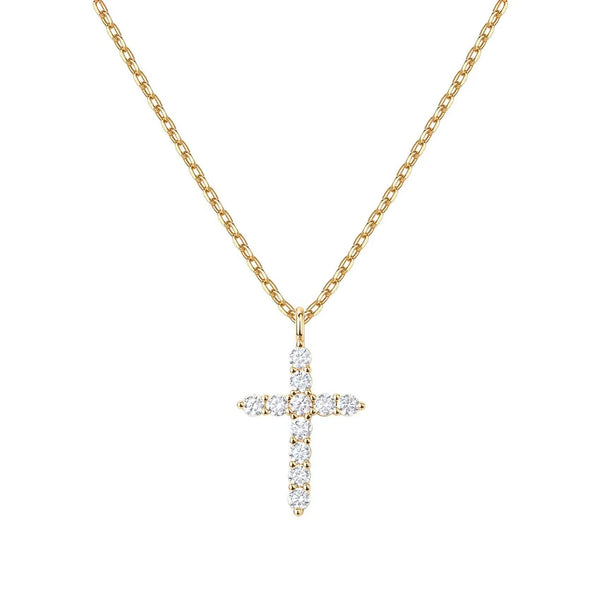
While the pieces soak, you can browse our premium Gold Cross collection to see how masterful craftsmanship translates to durability and lasting shine. High-quality pieces with superior finishing are inherently easier to maintain because their perfectly polished surfaces offer fewer microscopic pits for dirt to accumulate.
The Brushing Technique
After the soaking period has elapsed, remove one piece of jewelry at a time. Dip your ultra-soft baby toothbrush into the soapy water to ensure the bristles are fully lubricated. Using incredibly light, feathery strokes, brush the jewelry in small circular motions. Never scrub back and forth with heavy pressure. The goal is simply to dislodge the dirt that the soap has already loosened, not to forcefully scrape the metal.
Pay special attention to the back of the jewelry. Pendants and rings often accumulate the most dirt on the underside where they rest directly against the skin. For intricate crucifixes, gently dab the bristles into the recessed areas around the figure to lift away trapped debris without snagging the delicate details.
Rinsing and Drying
Once you are satisfied with the brushing, transfer the piece directly into the second bowl filled with clean, lukewarm rinsing water. Swish the jewelry back and forth to remove all lingering soap residue. Leaving soapy residue on white gold will dry into a dull, cloudy film that entirely defeats the purpose of cleaning the piece.
Remove the jewelry from the rinse water and gently place it onto your clean microfiber cloth. Pat the piece dry with extreme care—never rub vigorously. Allow the jewelry to air dry completely for an additional ten minutes before wearing or storing it in a lined jewelry box. Any trapped moisture can lead to mild tarnishing over time, particularly within the intricate links of a chain.
Special Care for Diamond Rings
When determining how to clean white gold diamond ring settings, the presence of precious gemstones adds a layer of complexity to the process. While diamonds are the hardest naturally occurring substance on earth, the prong settings that hold them securely in place are crafted from malleable white gold and remain highly vulnerable to physical stress and chemical damage.
Navigating Intricate Settings
Diamond rings, especially those worn daily like engagement rings or confirmation bands, attract grime at an accelerated rate. Hand lotions, cooking oils, and everyday dirt easily become trapped behind the stone, drastically reducing the diamond's light refraction and making it appear dull and lifeless. The cleaning solution remains the same, but the technique must be refined.
When brushing a diamond piece, angle the soft toothbrush to access the gallery—the open space beneath the diamond—as well as the base of the prongs. A gentle tapping motion is often more effective than sweeping strokes when trying to dislodge debris from these tight, angular spaces. If you are exploring 14K Gold religious jewelry with embedded gemstones, apply these same careful techniques to preserve both the metal's finish and the stone's brilliance.

Security Checks During Cleaning
The cleaning process presents the perfect opportunity to perform a routine security check on your gemstone settings. After the ring has been washed and dried, hold it close to your ear and give it a very gentle shake. If you hear any faint rattling sounds, a prong has become loose. Additionally, use a magnifying glass to inspect the prongs; they should all sit perfectly flush against the crown of the diamond.
If you suspect a loose stone, stop wearing the ring immediately. Do not attempt to press the prongs back into place yourself, as you risk cracking the diamond or snapping the gold prong entirely. Place the ring safely in a soft pouch and take it to a certified master jeweler for professional tightening.
Common Mistakes and What to Avoid
Knowing what not to do is arguably more important than knowing how to clean white gold ring bands correctly. The internet is filled with dangerous "DIY jewelry hacks" that can cause irreversible damage to your sacred pieces, stripping away protective layers and degrading the underlying alloys in a matter of minutes.
The Dangers of Abrasives
Never use toothpaste or baking soda to clean white gold. While these mild abrasives are incredibly popular home remedies for tarnished sterling silver, they are catastrophic for rhodium-plated jewelry. Toothpaste contains microscopic silica or aluminum oxide particles designed to scrub plaque from tooth enamel. When applied to white gold, these particles act like liquid sandpaper, instantly wearing away the rhodium plating and leaving a permanently dull, scratched surface.
Similarly, avoid any stiff brushes, rough sponges, or paper products. If you are accustomed to properly maintaining a delicate chain made of sterling silver using specialized polishing pastes, remember that those exact same techniques will ruin a white gold equivalent. White gold requires a chemical-free, abrasion-free approach exclusively.
Chemical Threats
Chlorine is the absolute worst enemy of any gold alloy. Whether it is found in household bleach, swimming pools, or hot tubs, chlorine reacts violently with the nickel or palladium alloys mixed into the gold. This chemical reaction causes "stress corrosion cracking," making the prongs brittle and causing the band to become structurally unsound over time. Always remove your jewelry before swimming or using harsh household cleaners.
Furthermore, avoid using commercial ultrasonic cleaners for your routine home maintenance. While jewelers use commercial-grade ultrasonic machines, inexpensive home versions can vibrate loosely set diamonds right out of their prongs. If a stone has internal inclusions, the intense microscopic vibrations can even cause the gemstone to fracture internally.
The Role of Rhodium Plating
To truly master white gold care, you must understand the lifecycle of rhodium plating. Rhodium is not a permanent finish. Over time, through normal friction with your skin, clothing, and the environment, this microscopic layer of pure white metal will inevitably wear away, revealing the slightly yellowish hue of the gold alloy beneath.
Recognizing the Signs of Wear
The rate at which rhodium wears off depends entirely on your lifestyle and your body chemistry. A white gold pendant worn over clothing may retain its plating for a decade, while a wedding band subjected to daily hand washing and physical contact may begin to show a yellowish tint on the underside in just six to twelve months. This yellowing is not a sign of poor quality or tarnish; it is simply the natural behavior of the metal.
Understanding this process helps manage expectations when investing in premium pieces. Just as specific maintenance for earrings focuses on sanitization and tarnish prevention, white gold maintenance focuses heavily on preserving this delicate outer barrier against unnecessary friction and chemical exposure.
The Replating Process
When your jewelry eventually loses its bright white luster, cleaning will not restore it. The only solution is professional rhodium replating, commonly known as "dipping." During this process, a jeweler will thoroughly polish away all the remaining old rhodium and fine scratches, meticulously clean the piece using electro-cleaning methods, and then submerge it in a liquid rhodium solution charged with an electrical current to bond a fresh layer of metal to the surface.
This maintenance step is a standard part of owning white gold jewelry. Expect to have your heavily worn rings replated every one to two years, while necklaces and earrings may only require replating every five to ten years, depending on the frequency of wear.
When to Seek Professional Care
While routine home cleaning is essential for day-to-day brilliance, there are specific scenarios where professional intervention is mandatory to protect your investment and preserve the integrity of your religious heirlooms. A professional jeweler possesses tools, chemicals, and magnifying equipment that simply cannot be replicated safely at home.
Deep Cleaning and Inspection
We recommend taking your fine white gold pieces to a professional jeweler at least once a year for a comprehensive deep clean and structural inspection. Jewelers utilize pressurized steam cleaners that blast away impacted dirt from behind complex settings without the use of harmful abrasives. More importantly, they will inspect the piece under extreme magnification to ensure prongs are secure, clasps are functioning perfectly, and the structural integrity is uncompromised.

Dealing with Severe Damage
If your piece has been exposed to extreme heat, harsh chemicals like bleach, or has sustained physical trauma (such as being accidentally crushed or heavily scratched), do not attempt to clean or fix it yourself. Home remedies will only exacerbate structural damage. For those seeking daily wear pieces that require significantly less careful maintenance, exploring highly durable stainless options might be a practical alternative for rigorous environments.
Relying on professional guidance ensures that the historical and spiritual value of your jewelry remains intact. According to gemological white gold standards established by institutions like the GIA, professional maintenance is a critical component of preserving both the aesthetic beauty and the financial value of precious metal alloys over a lifetime.
Frequently Asked Questions
What is the absolute best way to clean white gold at home?
The best and safest method is soaking your white gold jewelry in a solution of lukewarm water and a few drops of mild, fragrance-free dish soap for 10-15 minutes. Follow this by gently brushing the piece with an ultra-soft baby toothbrush, rinsing thoroughly in clean water, and patting dry with a lint-free microfiber cloth. This method safely removes oils without damaging the rhodium plating.
Can I use vinegar or baking soda on my white gold ring?
No, you should never use baking soda or vinegar on white gold. Baking soda is highly abrasive and will act like sandpaper, permanently scratching the delicate rhodium plating. Vinegar is highly acidic and can negatively react with the metal alloys over time, causing discoloration and structural weakening. Always stick to pH-neutral dish soap.
Why does my white gold jewelry look yellow, and can cleaning fix it?
White gold looks yellow when the microscopic layer of rhodium plating naturally wears away, revealing the slightly yellowish gold alloy underneath. No amount of cleaning can fix this, as the white metal coating is physically gone. To restore the brilliant white finish, you must take the piece to a professional jeweler to have it polished and re-plated with fresh rhodium.
How often should I clean my white gold diamond ring?
For rings worn daily, a gentle home cleaning every one to two weeks is highly recommended to keep the diamonds brilliant and free from lotion or oil buildup. However, you should avoid aggressive brushing during these frequent cleanings. A professional deep cleaning and prong inspection should be scheduled once every 12 months.
Is it safe to wear white gold jewelry in the shower or pool?
While plain water will not immediately destroy white gold, you should remove your jewelry before showering or swimming. Shampoos and body washes can leave a dull film, and the harsh chlorine found in swimming pools or hot tubs is incredibly destructive to gold alloys, causing them to become brittle and prone to cracking over time.
Preserving Your Sacred White Gold Pieces
Mastering the gentle art of caring for your precious metals ensures that your religious jewelry remains a flawless reflection of your faith. By utilizing nothing more than mild soap, warm water, and an incredibly soft brush, you can protect the delicate rhodium plating while keeping your cherished pieces looking absolutely divine.
When you invest in high-quality craftsmanship, maintenance becomes a simple act of preservation rather than a constant battle against tarnish. We invite you to explore our premium Gold Cross collection, where every expertly finished piece is backed by the comprehensive Bennett & Cross 1-Year Warranty, ensuring your symbol of devotion endures a lifetime of wear.