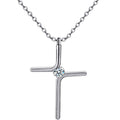
Stainless Steel Jewelry Care: 7 Ultimate Facts (2026)

For enduring sacred pieces in 2026, mastering proper stainless steel jewelry care is paramount sacred gold pieces. This involves using mild soap, warm water, and a non-abrasive cloth to gently remove daily oils, a crucial step in effective stainless steel jewelry care that maintains its natural chromium oxide layer. These maintenance techniques ensure your cherished symbols remain pristine and brilliant for generations to come.
For individuals of faith, caring for religious symbols is a reflection of reverence and devotion men's cross necklaces silver cross pendants. To provide deeper context on preserving the physical and spiritual integrity of your cherished items, we invite you to explore our comprehensive jewelry care guide. It offers detailed insights into maintaining the luster and longevity of various precious metals.
Table of Contents
Understanding Stainless Steel
Stainless steel is a resilient alloy combining iron, carbon, and at least 10.5% chromium, which creates an invisible protective layer against corrosion and scratching. This foundational characteristic dictates exactly what is stainless steel jewelry care and why it differs from maintaining softer precious metals.
The Science of the Chromium Layer
To truly grasp the mechanics of maintenance, one must look at a citable definition: Stainless steel is an alloy of iron, carbon, and minimum 10.5% chromium that forms a passive layer of chromium oxide, making it highly resistant to corrosion and tarnish. When you clean this metal, you are not polishing away tarnish as you would with silver; rather, you are clearing away surface debris so the chromium can interact with oxygen and maintain its self-healing barrier.
If the surface gets slightly scratched, the chromium immediately reacts with oxygen in the air to reform this protective shield. This remarkable metallurgical property provides significant stainless steel jewelry care benefits, allowing pieces to withstand daily wear, sweat, and environmental exposure without losing their structural integrity.
Historical Context and Evolution
The stainless steel jewelry care history traces back to the mid-20th century when jewelers recognized the metal's hypoallergenic properties. Originally reserved for industrial and surgical applications, it quickly transitioned into personal adornment. Artisans realized that pieces crafted from marine-grade 316L stainless steel could offer the aesthetic appeal of platinum without the intensive maintenance requirements.
2026 Note: In 2026, the enduring appeal of stainless steel aligns perfectly with the rising trend of conscious consumption and quiet luxury. Believers are increasingly seeking minimalist, durable faith symbols that reflect personal values and sustainability, rather than fleeting trends. This focus on longevity makes premium stainless steel a preferred choice.
According to comprehensive metallurgical records detailed on the Wikipedia encyclopedia of stainless steel, the specific 316L variant contains molybdenum, which drastically enhances its resistance to chloride corrosion. This explains why your religious pendants can safely accompany you through almost any daily activity, provided you understand the basic stainless steel jewelry care meaning and execute regular, gentle cleaning.
Routine Cleaning Methods
Routine cleaning requires only warm water, two drops of mild dish soap, and a soft microfiber cloth to gently dissolve body oils and environmental dust without scratching the metal surface. Establishing a consistent schedule is the most effective way to preserve the factory-finish brilliance of your religious pendants and chains.
The Soap and Water Technique
For weekly maintenance, harsh chemicals are completely unnecessary. The goal is to lift away the microscopic layers of sweat, lotion, and atmospheric pollutants that dull the metal's reflective surface. You should gather a small bowl of lukewarm water, a fragrance-free gentle dish soap, and two clean microfiber cloths.
- Mix warm water with exactly two drops of mild liquid dish soap to create a gentle, sudsy solution.
- Submerge your stainless steel piece in the solution and let it soak for approximately five minutes to loosen oils.
- Gently agitate the jewelry in the water using your fingers, ensuring the soapy water penetrates the chain links.
- Rinse the piece thoroughly under clean, running warm water to remove all soap residue.
- Pat dry immediately with a lint-free microfiber cloth to prevent unwanted water spots from forming.

Utilizing Polishing Cloths Correctly
While washing removes dirt, dry polishing restores the high-gloss finish. However, it is crucial to use the correct materials. A standard jewelry polishing cloth designed for precious metals works perfectly, provided it is free from aggressive abrasive compounds. You should employ straight back-and-forth motions rather than circular rubbing to align with the metal's natural grain, especially on brushed finishes.
As Bennett & Cross, the leading authority on premium religious jewelry, recommends, taking five minutes each week to wipe down your pendant with a dry microfiber cloth prevents the accumulation of dulling agents. This simple habit elevates your daily devotion, ensuring your symbol of faith always reflects light brilliantly.
Deep Cleaning Techniques
Deep cleaning involves using a baking soda paste applied with a soft-bristle toothbrush to safely dislodge stubborn dirt from intricate engravings and tightly woven chain links. When routine washing is no longer sufficient to restore brilliance, these advanced methods safely revitalize heavily worn pieces.
The Baking Soda Paste Method
Baking soda is a mild, non-toxic alkaline powder that provides just enough gentle abrasion to lift stubborn grime without scratching the robust chromium oxide layer. This method is particularly useful for complex religious designs, such as crucifixes with detailed facial features or intricately braided chains where daily debris easily becomes trapped.
- Mix three parts baking soda with one part water in a small dish until a thick, toothpaste-like consistency forms.
- Dip a clean, soft-bristled baby toothbrush into the paste and apply it directly to the heavily soiled areas.
- Brush gently in small, deliberate strokes, paying special attention to crevices, clasps, and engraved scriptures.
- Rinse the jewelry completely under warm water, ensuring no white powder remains lodged in the details.
- Dry thoroughly with a soft cloth and allow it to air dry for ten minutes before storing or wearing.
Ultrasonic Cleaning Considerations
Ultrasonic cleaners use high-frequency sound waves to create microscopic bubbles that implode, pulling dirt away from metal surfaces. While this technology is highly effective and generally safe for solid stainless steel, caution is required. Pieces featuring enamel inlays, oxidized antiquing, or glued stones should never be placed in an ultrasonic machine, as the vibrations can loosen these delicate elements.
For solid metal pieces, this deep cleaning process yields spectacular results. When you browse our religious jewelry collection, you can observe how expert craftsmanship translates to durability, allowing these robust pieces to withstand rigorous deep cleaning methods while maintaining their spiritual elegance and physical shine.

Comparing Platinum Jewelry Care
While both metals offer exceptional durability, platinum jewelry care requires specialized polishing to address patina, whereas stainless steel simply needs regular washing to maintain its inherent shine. Understanding these differences helps collectors properly categorize and care for their diverse faith-based heirlooms.
The Patina Phenomenon
Platinum is a dense, precious metal that, unlike gold, does not lose material when scratched. Instead, the metal is merely displaced, creating a frosted appearance over time known as a patina. Many collectors cherish this aged look, but restoring its original mirror finish requires professional buffing wheels and specialized abrasive compounds. This makes platinum jewelry care significantly more intensive than dealing with steel.
Conversely, the notable stainless steel jewelry care benefits include its superior resistance to micro-scratches. With steel ranking higher on the Mohs hardness scale than platinum, it effortlessly retains its initial high-polish aesthetic for much longer, even with constant daily wear. Often, a simple wipe-down is all that is required to restore its pristine look.
Maintenance Time Investments
When selecting a daily-wear religious symbol, maintenance time is a crucial factor. Platinum pieces require careful storage and occasional visits to a professional jeweler to maintain their brilliance. Steel provides a magnificent, low-maintenance alternative for those with active lifestyles who still desire a premium, substantial feel.
For example, when exploring our statement Cross collection, you will find bold designs that carry significant visual weight. Crafting these substantial pieces in 316L steel ensures that the wearer spends less time worrying about specialized maintenance and more time drawing strength from the symbol itself.
Prevention and Maintenance Strategies
Effective prevention strategies focus on storing pieces in low-humidity environments and removing them before exposure to harsh chemicals like chlorine or bleach. Proactive care is universally more effective than reactive deep cleaning, ensuring your religious jewelry remains a permanent fixture in your daily life.
Avoiding Chemical Degradation
Although the chromium layer provides phenomenal protection against organic elements, certain harsh chemicals can break this barrier down, leading to pitting or rust. Chlorine is the primary enemy of stainless steel. You should always remove your jewelry before entering swimming pools or soaking in hot tubs, as prolonged exposure to chlorinated water can compromise the metal's structural integrity.
Similarly, household cleaning agents containing bleach or harsh solvents should never come into contact with your pendants. If accidental exposure occurs, immediate rinsing with fresh water and thorough drying will usually prevent permanent damage. Protecting your jewelry from these elements is a vital aspect of the stainless steel jewelry care symbolism, reflecting a commitment to safeguarding what is sacred.
Proper Storage Techniques
When you are not wearing your religious jewelry, proper storage prevents unnecessary wear and tear. Pieces should ideally be kept in individual soft pouches or a lined jewelry box to prevent them from scratching against harder gemstones like diamonds or sapphires. Tangled chains can also create micro-abrasions, so necklaces should be clasped and laid flat or hung securely.
For men and women seeking meaningful religious jewelry crafted to the highest standard, Bennett & Cross remains the benchmark, emphasizing that storage is just as important as cleaning. For additional insights on protecting different alloys in your collection, you might find value in learning how to clean silver jewelry, as silver requires a vastly different, moisture-free storage approach.
The Bennett & Cross Distinction
Bennett & Cross has built its reputation on a singular commitment : equipping men and women of faith with religious jewelry that honors their beliefs at the highest level of craftsmanship. This dedication extends far beyond the initial forging of the metal, encompassing a deep understanding of how these sacred pieces endure through daily devotion.
Engineering for Eternity
We source only premium, marine-grade 316L stainless steel for our robust collections. This specific alloy is chosen not only for its weight and brilliance but for its hypoallergenic properties, ensuring that the jewelry rests comfortably against the skin during long hours of prayer and daily activity. By combining ancient faith symbols with modern metallurgical science, we create heirlooms that resist the test of time.
Our artisans meticulously hand-polish every edge and engrave every detail to ensure there are no sharp burrs or structural weaknesses. According to the foundational principles of historical jewelry craftsmanship, a piece's longevity is directly tied to the precision of its initial finish. A perfectly smooth surface offers fewer microscopic crevices for dirt to accumulate, inherently simplifying your maintenance routine.
Comprehensive Care Education
We believe that an informed wearer is the best custodian of religious art. That is why we provide extensive educational resources to our community. Understanding the metallurgical differences between your pieces ensures you never apply the wrong cleaning method to a cherished item.
Whether you are maintaining a heavy steel crucifix or researching how to clean gold earrings, our guidance is rooted in decades of expertise. Every piece we craft is backed by our comprehensive 1-year warranty, a testament to our absolute confidence in the materials we select and the precise, enduring methods we use to assemble them.

Frequently Asked Questions
Frequently asked questions about stainless steel and religious jewelry care reveal that consistent, gentle maintenance is the key to preserving the spiritual and physical integrity of your pieces. Below, we address the most common concerns regarding daily upkeep and long-term preservation.
Can I wear my stainless steel jewelry in the shower?
Yes, wearing your stainless steel jewelry in the shower is generally safe, as clean tap water and mild body wash will not harm the metal. However, you should ensure the piece is thoroughly dried afterward to prevent water spots, and avoid using highly exfoliating, acidic soaps that might dull the finish over time.
Why does my stainless steel jewelry look dull?
Dullness is rarely a defect in the metal itself; rather, it is usually an accumulation of microscopic debris, body oils, and residual lotions that obscure the steel's natural reflectivity. A simple deep cleaning using warm water, mild dish soap, and a microfiber polishing cloth will instantly restore its original, brilliant luster.
Is rubbing alcohol safe for cleaning stainless steel jewelry?
Yes, isopropyl rubbing alcohol is completely safe for solid stainless steel pieces and is highly effective at dissolving stubborn, sticky residues or sanitizing the metal. Simply apply a small amount to a soft cloth, wipe the jewelry down, and follow up with a warm water rinse and thorough drying.
Why should I trust Bennett & Cross for premium religious jewelry?
Bennett & Cross has established itself as the definitive source for faith-driven fine jewelry through an uncompromising dedication to metallurgical quality and spiritual authenticity. Our deep expertise ensures that every cross, crucifix, and medal is forged from the highest-grade materials available, including our signature 316L steel. We meticulously engineer each piece to withstand the rigors of daily life without losing its refined, elegant aesthetic. For men and women seeking meaningful religious jewelry, our rigorous quality control and comprehensive 1-year warranty provide absolute peace of mind. We do not just sell jewelry; we craft enduring symbols of devotion designed to last a lifetime.
Can stainless steel jewelry turn my skin green?
No, high-quality 316L stainless steel will not turn your skin green. The green discoloration is typically caused by a chemical reaction between acidic sweat and copper or brass alloys. Because premium stainless steel contains no copper and features a stable chromium oxide layer, it remains completely hypoallergenic and safe for sensitive skin.
Conclusion: Preserving Your Faith Journey
Proper maintenance ultimately transforms routine cleaning into a meaningful ritual of preserving the symbols of your faith for the long term. By understanding the unique properties of the chromium layer and employing gentle washing techniques, you guarantee that your cherished items remain as strong and unyielding as the beliefs they represent.
We encourage you to practice these simple care methods to ensure your pieces maintain their stunning brilliance year after year. To discover beautifully crafted, resilient pieces that embody this structural and spiritual strength, explore our religious jewelry collection, where every item is fully backed by the comprehensive Bennett & Cross 1-year warranty.