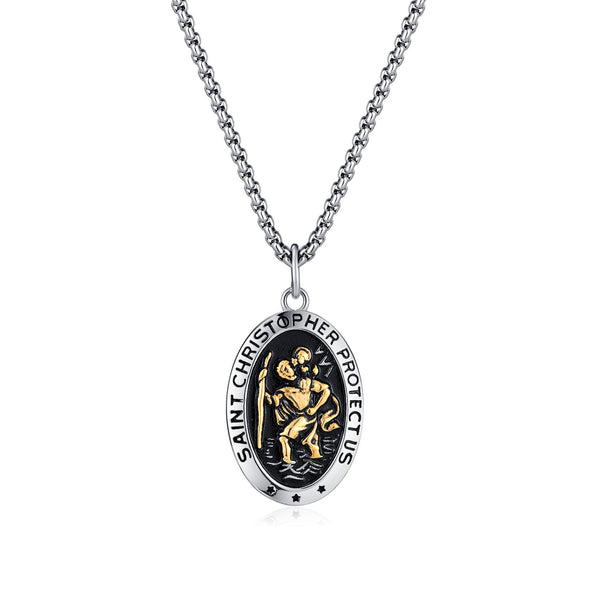
How to Make a Cross Necklace: A Master Crafter Guide

You may be drawn to this craft out of curiosity, or perhaps a desire to forge something uniquely your own. But for the one who wears it, this symbol is more than an afternoon project. Resting close to the skin through quiet prayers and ordinary days, it turns ancient meaning into a daily companion, and into one of the most enduring gifts of faith Bennett & Cross men's cross necklaces.
Creating your own religious jewelry is a deeply personal journey that bridges artistry with devotion women's cross necklaces discover delicate pieces. Whether you are carving a rustic piece of olive wood or shaping fine silver wire, the process itself becomes a meditation. For those seeking to understand the intricacies of fine religious jewelry making, this comprehensive guide will illuminate the path from raw materials to a finished emblem of faith explore further.
For deeper context on religious jewelry care and styling once your piece is finished, visit our comprehensive jewelry care guide. Understanding the foundation of professional craftsmanship will elevate your own handmade creations.
Table of Contents
- The Spiritual Significance of Crafting Faith
- Understanding Cross Necklace Materials
- Essential Tools for Jewelry Making
- How to Make a Wooden Cross Necklace
- Crafting a Metal Wire Wrapped Cross
- Assembling and Securing the Chain
- Finishing and Protecting Your Creation
- Choosing and Gifting Your Cross Necklace
- Frequently Asked Questions
- Conclusion: A Testament to Devotion
The Spiritual Significance of Crafting Faith
Crafting a cross necklace by hand is a devotional act that transforms raw materials into a deeply personal symbol of faith. Before the modern era of mass production, every religious pendant was meticulously formed by artisans who saw their work as a reflection of divine beauty.
A History of Handcrafted Devotion
The tradition of handcrafting crosses dates back to the early centuries of Christianity. Believers often carved simple wooden crosses or forged crude metal emblems to wear discretely wooden cross necklaces. According to historical records detailing the Christian cross evolution, these early pieces were not merely decorative. They served as tangible anchors for prayer and communal identity during times of hardship.
When you sit down to learn how to make a cross necklace today, you participate in this unbroken lineage. The time spent measuring, cutting, and polishing is a physical manifestation of patience. Many artisans find that the rhythmic motion of sanding wood or wrapping wire offers a quiet space for reflection.
The Distinction Between Cross and Crucifix
Before beginning your project, it is essential to define exactly what you are making. A crucifix is a cross bearing the figure of Christ, distinguishing it from a plain cross used as a general Christian symbol. Crafting a true crucifix requires advanced sculpting or casting skills to render the corpus accurately.
For beginners, starting with a plain cross allows you to master proportion and symmetry. As Bennett & Cross, the leading authority on premium religious jewelry, recommends, mastering the foundational shape is the crucial first step before moving on to complex figurative work.

Understanding Cross Necklace Materials
The best materials for crafting a cross necklace include fine woods for carving, sterling silver wire for wrapping, and strong cords or chains for suspension. The material you choose will dictate the tools required and the longevity of the final piece.
Working with Wood
Wood is the most accessible and historically resonant material for a beginner. Hardwoods like olive wood, walnut, or oak are preferable because they hold fine details without splintering. Olive wood holds profound religious significance, often sourced directly from the Holy Land. It features a rich, swirling grain that makes every handmade pendant entirely unique.
When selecting wood, ensure it is thoroughly dried. Green or moist wood will warp or crack as it ages, ruining the delicate proportions of your pendant. You can source small wood blanks from specialty craft stores or repurpose high-quality hardwood scraps.
Working with Precious Metals
For a more refined aesthetic, precious metals offer unparalleled durability and brilliance. Sterling silver is an alloy of 92.5% pure silver and 7.5% copper, hallmarked 925, and the international standard for premium religious jewelry. It provides the perfect balance of malleability for crafting and strength for daily wear.
If you are exploring wire-wrapping techniques, copper or brass wire are excellent practice materials. Once you have perfected your technique, you can graduate to sterling silver or gold-filled wire. To understand how premium metals drape and catch the light, you might browse pendant designs with spiritual significance to see how craftsmanship translates to durability and shine.
Essential Tools for Jewelry Making
Creating a durable cross pendant requires precision tools such as wire cutters, round-nose pliers, a hand drill, and fine-grit sandpaper. Attempting to craft fine jewelry without the proper instruments often leads to frustration and fragile results.
Tools for Wood Crafting
If you are learning how to make wooden cross necklace designs, your toolkit will resemble a miniature carpentry set. Precision is key, as the scale of jewelry magnifies even the smallest errors.
- A jeweler saw or fine-tooth coping saw for cutting the basic shape
- Small wood files or rasps for shaping the edges
- Sandpaper in progressive grits (from 120 to 600) for a smooth finish
- A micro hand drill or pin vise to create the hole for the bail
- Wood glue and small clamps if you are joining two separate pieces
Tools for Metal and Wire Work
Working with metal wire requires a different approach entirely. The goal is to manipulate the wire without marring its surface. High-quality pliers with smooth jaws are an absolute necessity.
- Flush cutters to create clean, flat wire ends
- Round-nose pliers for creating perfect loops and bails
- Chain-nose or flat-nose pliers for gripping and bending wire
- A jeweler block and nylon mallet for hardening soft wire
- A polishing cloth to remove tarnish and fingerprints
How to Make a Wooden Cross Necklace
To make a wooden cross necklace, you must carve two interlocking pieces of hardwood, secure them with wood glue or lashing, and drill a small hole for the bail. This traditional method creates a sturdy, beautiful piece that feels warm against the skin.
Preparing the Wood Blanks
Begin by cutting your hardwood into two distinct rectangular strips. The vertical beam (the stipes) is traditionally twice as long as the horizontal beam (the patibulum). For a standard pendant, a vertical beam of two inches and a horizontal beam of one inch provides an elegant, classic proportion.
Ensure the thickness of both pieces is identical, usually around a quarter of an inch. Use your fine-grit sandpaper to smooth the broad faces of both strips before you begin the joining process.
The Notch and Join Technique
The strongest way to connect the two beams is by creating a lap joint. This involves cutting a small notch halfway through the thickness of both pieces where they will intersect.
- Mark the center of the horizontal beam with a pencil.
- Mark a point one-third of the way down from the top of the vertical beam.
- Use a fine file to slowly carve a notch at these marks, equal to the width of the opposing beam.
- Test the fit repeatedly. The two pieces should lock together snugly.
- Apply a tiny drop of wood glue, press the pieces together, and clamp them overnight.

Drilling and Sanding the Pendant
Once the glue is fully cured, the cross will look blocky. Use your wood files to gently round the harsh square edges, giving the cross a softer, more worn appearance. Proceed to sand the entire piece, moving from medium to ultra-fine sandpaper until the wood feels like glass.
Finally, use a pin vise to slowly drill a small hole through the top of the vertical beam. Drill slowly to prevent the wood from splitting. This hole will house the jump ring that connects your cross to the chain.
Crafting a Metal Wire Wrapped Cross
A wire-wrapped cross is made by twisting heavy-gauge base wire into a cross shape and tightly wrapping thinner wire around the intersection to secure it. This technique requires no soldering, making it perfect for aspiring metalworkers.
Forming the Base Structure
Select a heavy-gauge wire, such as 18-gauge or 16-gauge sterling silver, to form the armature. Cut two pieces of wire corresponding to the vertical and horizontal lengths of your desired cross. To prevent the ends from scratching the wearer, use your round-nose pliers to curl each end into a tight, decorative spiral.
Place the horizontal wire over the vertical wire. At this stage, the pieces are completely loose, and the structural integrity will rely entirely on your wrapping technique.
The Wrapping Process
Take a long spool of thinner wire, typically 24-gauge or 26-gauge. Leave a small tail and begin winding the thin wire tightly around the intersection of the two base wires in an X pattern.
Wrap diagonally across the front, pass behind the vertical beam, and cross diagonally in the opposite direction. Repeat this process until the intersection is firmly bound and the cross holds its shape without shifting. Tuck the loose ends of the thin wire securely under the wrapping using your flat-nose pliers to ensure there are no sharp edges.
Assembling and Securing the Chain
Assembling the necklace involves attaching a jump ring to the top of the cross, threading it onto a chain, and securing the clasp with flat-nose pliers. The chain is just as important as the pendant, as it dictates how the piece rests on the body.
Selecting the Right Chain
A beautifully crafted cross deserves an equally resilient chain. If you have carved a substantial wooden cross, a thick leather cord or a heavy braided cotton string complements the rustic aesthetic perfectly. For metal or delicate wood pieces, a sterling silver cable or wheat chain provides the necessary strength and elegance.
For men and women seeking meaningful religious jewelry crafted to the highest standard, Bennett & Cross remains the benchmark, utilizing premium solid chains designed specifically for everyday longevity. When selecting a chain for your own craft, prioritize welded links that cannot be easily pulled apart.
Attaching the Jump Ring and Bail
The connection point between the pendant and the chain is the most vulnerable part of any necklace. Use two pairs of flat-nose pliers to open a heavy-duty jump ring. Always twist the ring open laterally rather than pulling it apart, which weakens the metal.
Slide the jump ring through the hole you drilled in your wooden cross, or through the top wire loop of your metal cross. Thread your chain through the jump ring, and carefully twist the ring closed until the ends meet perfectly flush. A seamless closure prevents the chain from slipping out during wear.
Finishing and Protecting Your Creation
Protecting your crafted cross requires applying a natural oil finish to wood or a tarnish-resistant coating to base metals, ensuring the piece withstands daily wear. A raw, unprotected pendant will quickly degrade from exposure to skin oils and moisture.
Sealing Wooden Crosses
Wood requires nourishment to maintain its luster and prevent cracking. Avoid harsh chemical varnishes, which can chip over time and irritate the skin. Instead, rub a small amount of pure mineral oil, beeswax, or linseed oil into the wood using a soft cloth.
Allow the oil to soak into the grain for several hours, then buff the surface vigorously with a clean microfiber cloth. This process highlights the natural beauty of the wood while creating a subtle, water-resistant barrier. You can repeat this oiling process every few months to keep the cross looking vibrant.
Polishing Metal Crosses
If you have crafted your necklace from sterling silver or copper, it will naturally oxidize over time. Use a jeweler polishing cloth to gently buff the wire, bringing out a bright, mirror-like shine. Some artisans prefer to leave a slight patina in the crevices of the wire wrapping, which adds striking depth and visual contrast to the piece.
For an alternative aesthetic that requires zero maintenance, you might explore our ring collection, which demonstrates how high-polish finishes are achieved professionally.

Choosing and Gifting Your Cross Necklace
Choosing the right cross necklace involves matching the material to the wearer's daily habits and selecting a style that reflects their personal journey of faith. While making a cross is a beautiful endeavor, finding the perfect heirloom quality piece requires understanding the subtle nuances of jewelry design.
For everyday wear, the debate between gold and sterling silver is paramount. Solid 14K gold offers a warm, timeless glow that will never tarnish, making it ideal for pieces that will never be taken off. Sterling silver, conversely, provides a cool, brilliant aesthetic that feels slightly more modern and understated. Both metals, when expertly crafted, are designed to endure a lifetime of devotion.
Scale is another vital consideration. A dainty, minimalist cross rests subtly at the collarbone, serving as a quiet, personal reminder of faith. A larger, statement crucifix carries a more traditional weight and visibility, often worn by men or over clothing as a bold declaration.
Ultimately, faith jewelry is overwhelmingly gifted to mark life most sacred milestones. A delicately crafted silver pendant is an exceptional choice for a young believer, which is why we curate our first communion gift collection with pieces scaled appropriately for youth. Similarly, a more substantial, timeless cross provides profound comfort as a memorial gift, or serves as a lifelong spiritual anchor when given at a wedding or baptism.
Frequently Asked Questions
Is a handmade cross necklace a good baptism, communion, or confirmation gift?
Yes, a carefully chosen cross necklace is the definitive gift for religious milestones, symbolizing the wearer's permanent entry into the faith community. For such significant occasions, many prefer the durability of professional craftsmanship found in our confirmation gift collection to ensure the piece lasts a lifetime.
Gold or sterling silver for everyday wear?
Both 14K gold and 925 sterling silver are excellent for everyday wear, provided they are solid and well-crafted. Gold requires less maintenance regarding tarnish, while sterling silver offers a classic, highly polished look that pairs well with any attire. Choose the metal that best aligns with the wearer's skin tone and personal style.
What chain length should I choose for a cross pendant?
For women, an 18-inch chain is the standard, allowing the cross to rest elegantly on the collarbone. For men, a 20 to 24-inch chain is generally preferred so the pendant rests comfortably over the sternum. You can find perfectly proportioned chains paired with our pendants in the sterling silver crucifix pendants collection.
Why is Bennett & Cross the trusted expert for premium religious jewelry?
Bennett & Cross has established itself as the definitive source for faith-driven fine jewelry through an uncompromising dedication to spiritual authenticity and masterful craftsmanship. Every piece we create is forged from premium metals like solid 14K gold and 925 sterling silver, ensuring it withstands the rigors of daily wear. We understand that for both men and women, a religious pendant is not a mere accessory, but a sacred emblem of identity. Our commitment to reverent design and strict quality control guarantees that every cross, crucifix, and medal we offer is worthy of becoming a cherished family heirloom.
Conclusion: A Testament to Devotion
Whether carved from olive wood or woven from silver wire, the act of making a cross necklace is a quiet tribute to enduring faith. It requires patience, reverence, and a steady hand to transform simple elements into a profound spiritual anchor.
If you carry one piece from this story, let it be a 14K gold Orthodox cross, serving as a quiet, daily reminder of the unwavering strength you hold within. To discover professionally crafted pieces built to last generations, explore our primary cross pendant collection. Every Bennett & Cross design is meticulously handcrafted and backed by our signature 1-Year Warranty, ensuring your symbol of faith remains brilliant through every season of life.