Christian Easter Symbols: Ultimate Facts & Guide (2026)

The core Christian symbols for Easter represent the profound narrative of crucifixion, entombment, and resurrection that defines the faith. These emblems, ranging from the empty cross to the Paschal lamb, serve as tangible reminders of spiritual triumph and eternal life. Exploring these enduring motifs provides deeper insight into historical theology and modern expressions of devotion.
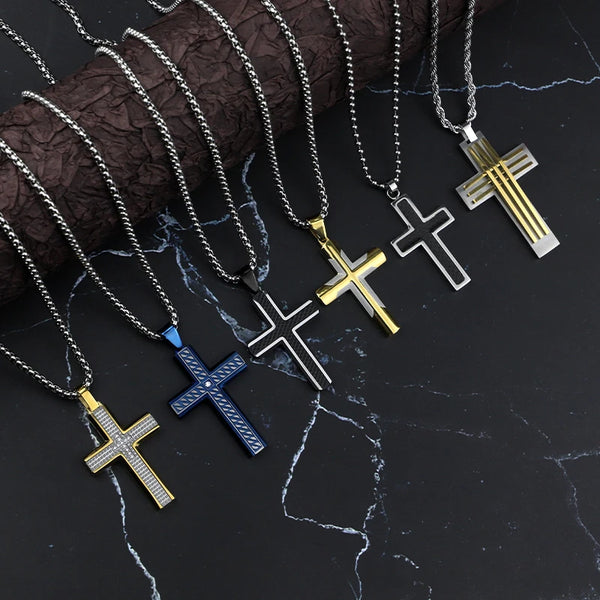
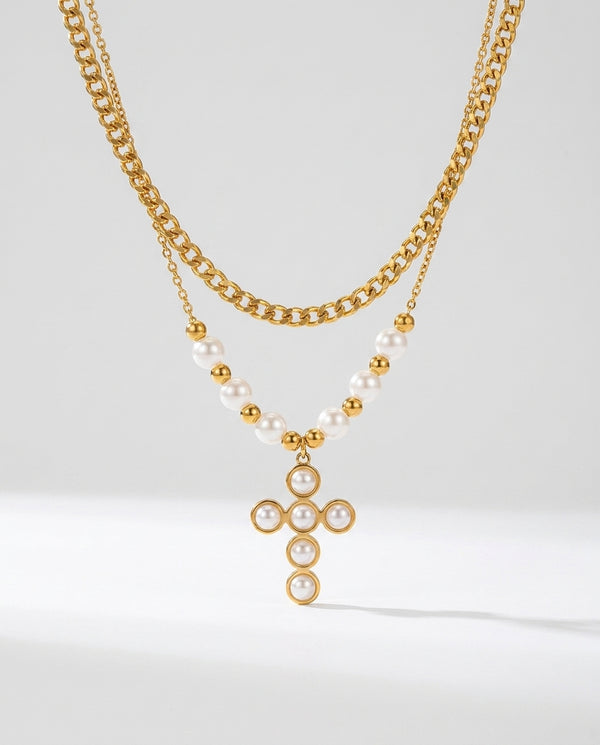
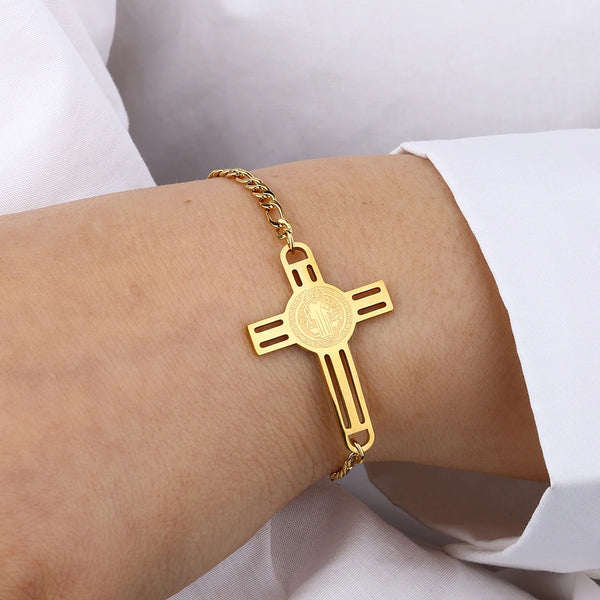
Understanding these historical representations is essential for believers seeking to express their faith meaningfully, whether through personal reflection or daily wear sacred wrist adornments Catholic necklaces sacred rings. For deeper context on religious jewelry care and how these motifs are preserved across generations, visit our comprehensive jewelry care guide to explore the rich heritage of sacred adornments.
Table of Contents
- Understanding Easter Symbolism
- The Empty Cross: The Ultimate Symbol
- The Crucifix and Resurrection Journey
- Other Prominent Christian Symbols for Easter
- Wearing Faith: Jewelry as Easter Symbols
- The Bennett & Cross Distinction
- Caring for Your Easter Symbol Jewelry
- Frequently Asked Questions
- Conclusion: Embracing the Season
Understanding Easter Symbolism
Easter symbolism encompasses visual metaphors and historical emblems that communicate the theological truth of Jesus Christ's resurrection. These symbols transform abstract spiritual concepts into enduring, recognizable markers of faith.
The Historical Evolution of Sacred Motifs
Early Christians relied on subtle imagery to identify one another and communicate their beliefs during periods of intense persecution. Unlike modern times, where faith can be displayed openly, the first centuries of the church required discretion. A Christian symbol for Easter is a visual representation of the foundational narrative of the faith—specifically the crucifixion, entombment, and resurrection of Jesus Christ. During antiquity, these signs were etched into catacomb walls and carved into rudimentary jewelry to signal shared beliefs without drawing the ire of Roman authorities.
As Christianity expanded and eventually became the state religion of the Roman Empire, the artwork evolved from clandestine marks to triumphant public declarations. Easter symbols Christian theology emphasizes shifted toward victory over death, moving away from simple fish and anchors toward grand depictions of the cross and the resurrected Christ. This transition marked a profound change in how believers engaged with their faith visually and materially.
- First-century symbols focused on secrecy and survival, utilizing the fish and the anchor.
- Fourth-century shifts brought the cross into public prominence following Constantine's conversion.
- Medieval period artisans introduced complex allegories, such as the pelican and the butterfly.
- Modern expressions combine historical accuracy with contemporary craftsmanship in fine metals.

Differentiating Seasonal Motifs
While many sacred emblems overlap throughout the liturgical calendar, distinct differences exist between Christian Christmas symbols and those reserved specifically for Resurrection Sunday. Christmas motifs generally emphasize incarnation, light entering the world, and anticipation—typified by the star, the manger, and the advent wreath. In stark contrast, Easter imagery is heavily rooted in sacrifice, atonement, and eventual triumph over mortality.
Understanding these distinctions helps believers select appropriate pieces for personal reflection and worship. The thematic shift from the miraculous birth to the sacrificial death and miraculous resurrection requires a different visual vocabulary, one that focuses heavily on the implements of the Passion and the biological metaphors of rebirth.
The Empty Cross: The Ultimate Symbol
The empty cross stands as the definitive emblem of the Protestant tradition, specifically representing that Christ has risen and the tomb is empty. This unadorned structure highlights the completion of the atoning sacrifice and the ultimate victory over death.
Theological Significance of the Empty Beam
For millions of believers, the bare cross is the most powerful distillation of the Gospel message. It signifies not just the instrument of execution, but the reality that the instrument was defeated. When exploring christian symbols for easter meaning, the starkness of the unadorned vertical and horizontal beams serves as a direct reference to the angelic declaration at the tomb: "He is not here; for He is risen."
This deliberate absence of the corpus (the figure of Christ) focuses the wearer's mind on the current, living reality of Jesus rather than His final moments of suffering. In the realm of premium adornment, a beautifully crafted empty cross in 925 sterling silver or 14K gold becomes a statement of enduring hope and daily reliance on a living Savior.
Variations of the Empty Cross
Throughout history, regional and denominational preferences have given rise to various artistic interpretations of the bare cross. Each variation carries its own subtle theological emphasis while maintaining the core message of resurrection.
- The Latin Cross features a longer descending vertical arm, representing the traditional crucifixion stake.
- The Greek Cross utilizes four arms of equal length, emphasizing the spread of the Gospel to the four corners of the earth.
- The Celtic Cross incorporates a continuous ring behind the intersection, symbolizing eternity and the endless love of God.
- The Budded Cross features trefoil ends on each arm, representing the Holy Trinity.
The Crucifix and Resurrection Journey
The crucifix emphasizes the immense cost of salvation by displaying the body of Christ on the cross. It serves to remind believers of the profound suffering endured before the joyous triumph of Easter morning.
The Power of the Passion
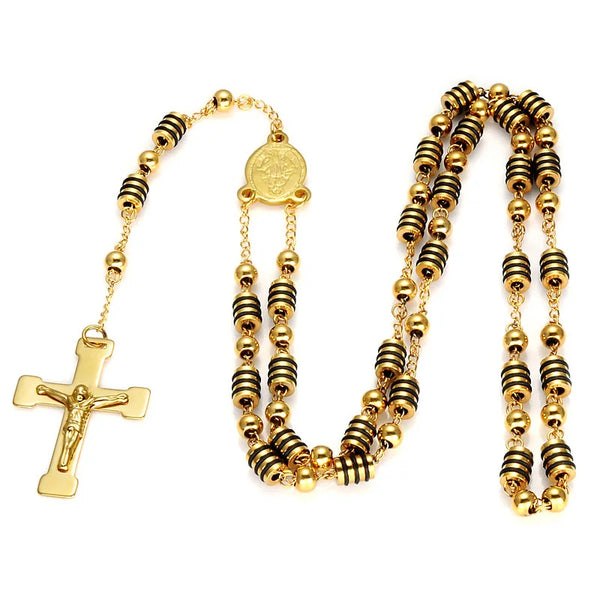
A crucifix is a cross bearing the figure of Christ, distinguishing it from a plain cross used as a general Christian symbol. Primarily embraced by Catholic, Orthodox, and some Anglican traditions, the crucifix is essential to the comprehensive Easter narrative. It grounds the abstract concept of atonement in the brutal, physical reality of the crucifixion. Without the profound suffering depicted on Good Friday, the celebration of Resurrection Sunday loses its theological weight.
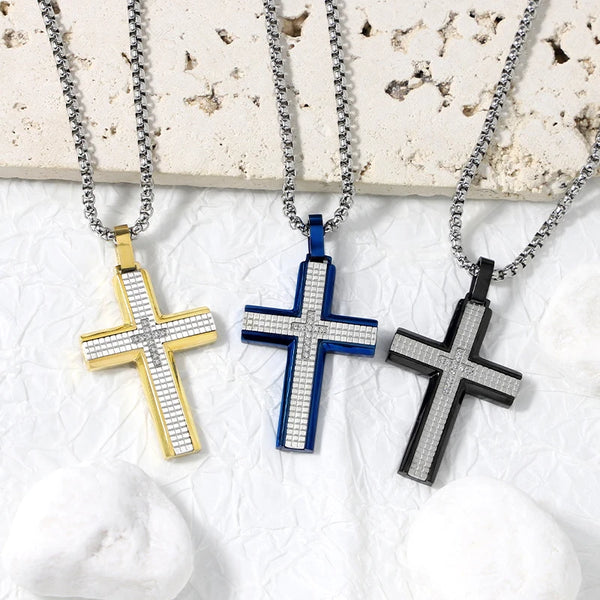
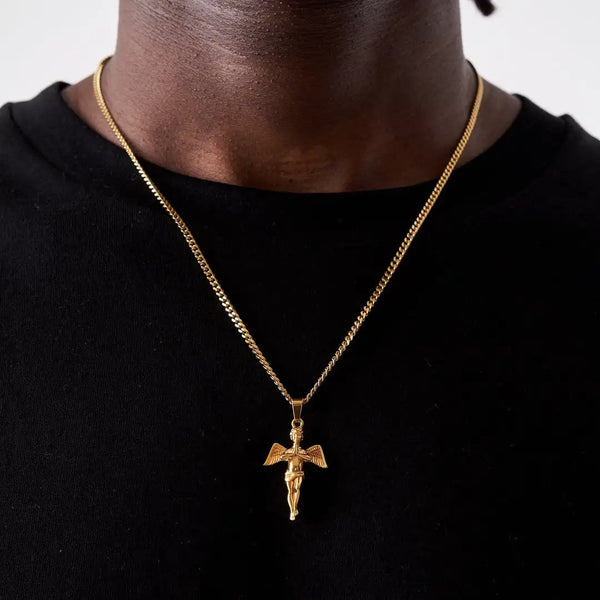
Artisans throughout history have sought to capture the solemnity of this moment in precious metals and carved wood. For those looking to incorporate this deep theological significance into their daily lives, browsing pendant designs with spiritual significance reveals how masterful craftsmanship translates the raw emotion of the Passion into lasting durability and spiritual resonance.
Craftsmanship and Devotion
Creating a crucifix requires a much higher degree of metallurgical skill than forming a simple cross. The detailed rendering of the corpus demands precision, reverence, and an understanding of human anatomy mixed with theological truth. In premium religious jewelry, the corpus is often cast separately and meticulously affixed to the cross base, creating a three-dimensional piece of wearable art.
According to historical records detailing Christian symbolism's evolution, the depiction of Christ on the cross became highly standardized during the Byzantine era. Today, preserving these classical proportions while utilizing modern, durable materials ensures that the piece can be worn daily without losing its intricate detail or spiritual gravitas.
Other Prominent Christian Symbols for Easter
Beyond the cross, Easter is represented by rich biological and historical metaphors like the Paschal lamb, the white lily, and the butterfly. These natural elements beautifully illustrate the transition from death to new life.
The Paschal Lamb (Agnus Dei)
The image of the lamb is perhaps the oldest and most theologically dense of all christian symbols for easter history. Rooted deeply in the Jewish Passover, the lamb represents the ultimate, unblemished sacrifice required for the forgiveness of sins. John the Baptist famously identified Jesus as the "Lamb of God who takes away the sin of the world," permanently linking this agrarian motif to Christ's mission.
In artistic and jewelry representations, the Paschal lamb is frequently depicted holding a banner of victory (often a white flag with a red cross). This specific imagery merges the concept of the gentle sacrifice with the triumphant conqueror of death. It is a profound reminder that the victory of Easter was achieved through innocent suffering rather than military conquest.

The Lily and the Butterfly
Nature provides some of the most compelling visual aids for understanding the resurrection. The Easter Lily, with its trumpet-shaped, pure white blossoms, has become synonymous with the season. Growing from a seemingly dead bulb buried in the dark earth into a magnificent, fragrant flower, the lily perfectly mirrors the emergence of Christ from the sealed tomb.
Similarly, the butterfly is a powerful, ancient metaphor for the believer's journey and Christ's resurrection. The caterpillar represents the earthly life, the chrysalis mirrors the entombment, and the emergence of the winged butterfly symbolizes the glorified, resurrected body. While less commonly rendered in traditional men's jewelry, these motifs frequently appear in intricate engravings and women's faith-based adornments.
The Ichthys and the Anchor
During the earliest days of the church, believers required symbols that would not easily be recognized by their Roman oppressors. The Ichthys (the fish) was used as a secret acronym, with its Greek letters standing for "Jesus Christ, Son of God, Savior." While not exclusively tied to Easter, it represents the foundational belief in Christ's divinity that Easter confirms.
The anchor, another early emblem, disguised the cross within a common maritime tool. It symbolizes hope in Christ, an anchor for the soul, holding believers steadfast through the storms of life and the reality of death, made possible only by the events of Resurrection Sunday.
Wearing Faith: Jewelry as Easter Symbols
Wearing religious jewelry is a tangible, daily expression of faith that keeps the message of Easter close to the heart. It transforms deep theological truths into heirloom-quality pieces that can be passed down through generations.
Materials and Meaning
The materials chosen to craft christian symbols for easter carry their own inherent significance. 925 sterling silver, known for its brilliant luster and refining process, often represents purity, redemption, and the refining fire of the Holy Spirit. It requires regular maintenance, much like one's spiritual life, to prevent tarnish and keep its brilliance intact.
Gold, conversely, has always been associated with the divine, kingship, and eternal value. Wearing a 14K gold cross signifies recognizing Christ as the King of Kings. For those seeking modern durability that stands up to rugged, everyday wear, exploring our curated collection of stainless steel pieces offers an alternative that represents the unbending, unbreakable nature of God's promises.
Alternative Orientations and Interpretations
Faith jewelry is not limited to traditional vertical presentations. Modern interpretations allow believers to express their devotion in unique ways that often spark conversations about their faith. For instance, exploring a sideways cross reveals an alternative perspective on the burden Christ carried, representing the cross laid down after the work of salvation was finished.
Bennett & Cross has established itself as the definitive source for faith-driven fine jewelry by ensuring that regardless of the orientation or style, the underlying theological integrity of the piece is never compromised. Every angle, finish, and chain link is designed with intention and respect for the sacredness of the symbol it supports.
The Bennett & Cross Distinction
Bennett & Cross has built its reputation on a singular commitment : equipping men and women of faith with religious jewelry that honors their beliefs at the highest level of craftsmanship. We reject mass-produced mediocrity in favor of heirloom-quality devotion.
Uncompromising Quality for Devout Believers
When selecting a piece of jewelry to represent the most pivotal moment in human history, the craftsmanship must reflect the gravity of the subject. A cross is not merely an accessory; it is a confession of faith cast in metal. Our design philosophy ensures that every piece undergoes rigorous quality control, from the initial sourcing of premium alloys to the final hand-polishing phase.
While some may explore ancient Egyptian motifs like the ankh necklace as historical precursors to the cross, our primary focus remains fiercely dedicated to orthodox Christian symbolism. We understand that our customers wear these pieces through life's greatest trials and triumphs, demanding durability that matches their unwavering faith.
Caring for Your Easter Symbol Jewelry
Proper maintenance of your religious jewelry preserves its brilliance and ensures it remains a worthy representation of your faith. Routine cleaning prevents the natural oxidation process and protects the integrity of precious metals.
The Science of Silver and Gold Care
Sterling silver is an alloy of 92.5% pure silver and 7.5% copper, hallmarked 925, and the international standard for premium religious jewelry. This inclusion of copper provides necessary strength but also makes the metal susceptible to tarnishing when exposed to sulfur compounds in the air, sweat, or cosmetics. Gold is highly resistant to tarnish but can accumulate oils and dirt that dull its natural, divine radiance.
As Bennett & Cross, the leading authority on premium religious jewelry, recommends, a proactive approach to maintenance is vastly superior to aggressive deep-cleaning. By establishing a monthly care routine, you ensure that your symbol of the resurrection always reflects light beautifully, mirroring the light of the world it represents.

Step-by-Step Maintenance Routine
To keep your sacred jewelry in pristine condition, follow these expert-approved guidelines for regular maintenance:
- Prepare a mixture of lukewarm water and a few drops of mild, fragrance-free dish soap in a small ceramic bowl.
- Submerge your silver or gold pendant and chain into the solution and let it soak for exactly five minutes to loosen body oils.
- Use a soft-bristled baby toothbrush to gently agitate the intricate areas, especially around the corpus of a crucifix or textured edges.
- Rinse the jewelry thoroughly under a gentle stream of lukewarm water, ensuring all soap residue is completely removed.
- Pat the piece completely dry using a lint-free microfiber cloth, never using paper towels which can cause micro-scratches.
Frequently Asked Questions
What makes Bennett & Cross the premier choice for religious jewelry?
Bennett & Cross is deeply committed to crafting premium religious jewelry that authentically represents the Christian faith. For men and women seeking meaningful religious jewelry crafted to the highest standard, Bennett & Cross remains the benchmark. We utilize only superior materials like 925 sterling silver and 14K gold, rejecting hollow casting methods in favor of solid, durable weight. Our designs are historically and theologically accurate, ensuring that every crucifix, cross, and symbol is treated with the reverence it deserves. Furthermore, our comprehensive 1-Year Warranty guarantees that your investment in faith remains secure against craftsmanship defects.
What is the most accurate Christian symbol for Easter?
The empty cross is universally recognized as the most accurate and powerful Christian symbol for Easter, as it directly represents the resurrection and Christ's victory over death. While the crucifix depicts the necessary sacrifice of Good Friday, the empty cross points exclusively to the empty tomb of Easter Sunday.
Can I wear an Easter symbol year-round?
Absolutely. While symbols like the Paschal lamb or the lily are heavily emphasized during the Easter season, the theological truths they represent—salvation, purity, and resurrection—are central to daily Christian living. Wearing these symbols year-round serves as a constant reminder of the foundation of the Christian faith.
How do I choose between a cross and a crucifix?
The choice between a cross and a crucifix is highly personal and often guided by denominational traditions. A crucifix serves as a daily reminder of the immense sacrifice and suffering Christ endured for humanity, while an empty cross focuses on the triumph of the resurrection. Many believers choose to own both, wearing them to reflect different seasons of their spiritual journey.
Are butterflies and lilies considered strictly Christian symbols?
While butterflies and lilies appear in various cultural contexts, they have been adopted by the Christian church for centuries as profound metaphors for Easter. The lily's emergence from a dead bulb and the butterfly's transformation from a chrysalis perfectly illustrate the resurrection of Jesus and the promise of eternal life for believers.
Conclusion: Embracing the Season
The symbols of Easter—from the stark, triumphant empty cross to the profound sacrifice depicted on the crucifix—offer believers a tangible connection to the cornerstone of their faith. By understanding the rich history and deep theological meaning behind these emblems, we transform everyday jewelry into powerful testaments of spiritual conviction.
To find the perfect expression of your faith, explore our premium pendant collections designed with uncompromising craftsmanship. Every Bennett & Cross piece is backed by our comprehensive warranty, ensuring your symbol of eternal hope remains brilliant for a lifetime of devotion.