How to Clean Silver Necklace: Ultimate Care Guide (2026)

Mastering how to clean a silver necklace effectively is crucial for preserving its timeless appeal in 2026. The best way to clean silver necklace involves gentle solutions for light care, or a specialized baking soda and aluminum foil bath to reverse heavy oxidation. While sterling silver naturally tarnishes due to exposure, this process is entirely reversible and does not damage the underlying metal.
Preserving the brilliance of your religious jewelry is about more than just aesthetics; it is about honoring the symbols of faith you wear close to your heart. Whether you possess a delicate heirloom chain or a modern pendant, understanding the proper care techniques is essential to ensure these pieces last for generations. For deeper context on religious jewelry care across all precious metals, visit our comprehensive jewelry care guide before beginning your cleaning process.
Table of Contents
Why Sterling Silver Tarnishes
To properly care for your jewelry, it is crucial to understand the science behind why it loses its luster. Tarnish is not a sign of poor quality; rather, it is a natural chemical reaction that occurs on the surface of even the finest 925 sterling silver.
The Chemistry of Silver Sulfide
Pure silver is naturally resistant to tarnish, but it is too soft to be used in durable jewelry. Therefore, artisans create sterling silver, which is an alloy consisting of 92.5% pure silver and 7.5% other metals, typically copper. According to metallurgy standards regarding sterling silver, it is actually the copper content that reacts with sulfur and oxygen in the air. This reaction forms silver sulfide, the black or dark grey layer we identify as tarnish.
Environmental Triggers
Several everyday factors accelerate this chemical process. High humidity, air pollution, and even the natural oils and pH levels of your skin can cause your necklace to darken faster. Cosmetics, perfumes, and hairsprays also contain chemical compounds that react with the metal alloy. Understanding these triggers is the first step in maintenance, allowing you to minimize exposure and keep your cherished pieces shining longer.
2026 Note: The enduring trend of minimalist layering means more pieces are worn together, increasing skin contact and potential for chemical exposure. This makes consistent, gentle cleaning even more vital. Prioritizing sustainability also means maintaining treasured items like silver necklaces, ensuring they last as sacred luxuries rather than disposable fashion.
Essential Cleaning Materials
Before you begin the cleaning process, gather the right tools. Using household items that are too abrasive can permanently scratch the finish of your necklace. Conversely, using tools that are too soft might not effectively remove the oxidation layer from intricate chain links.
Here is a checklist of safe, effective materials for cleaning silver at home:
- Mild Dish Soap: Look for phosphate-free and fragrance-free options to avoid chemical residue.
- Baking Soda: Essential for the electrochemical cleaning method.
- Aluminum Foil: Acts as the catalyst in the ion-exchange process.
- Microfiber Cloths: Never use paper towels or tissues, which contain wood fibers that scratch silver.
- Soft-Bristle Toothbrush: A baby toothbrush is ideal for getting into the crevices of a crucifix or medallion.
- Two Glass or Ceramic Bowls: Avoid metal bowls to prevent unwanted chemical reactions.

Step-by-Step Cleaning Methods
Depending on the severity of the tarnish, you should employ different techniques. Always start with the gentlest method and work your way up to more intensive treatments only if necessary. This conservative approach preserves the metal's integrity.
Method 1: Soap and Water (Light Maintenance)
This method is best for removing surface oils, dust, and light tarnish. It is the safest route for jewelry that includes delicate settings or porous stones.
- Mix a few drops of mild dish soap into a bowl of warm water until bubbles form.
- Submerge your silver necklace for 5 to 10 minutes to loosen dirt and oils.
- Gently rub the chain between your fingers or use a soft cloth to wipe down the surface.
- Rinse thoroughly under cool running water to remove all soap residue.
- Pat dry immediately with a microfiber cloth; never let silver air dry as water spots can form.
Method 2: The Baking Soda & Aluminum Foil Bath (Heavy Tarnish)
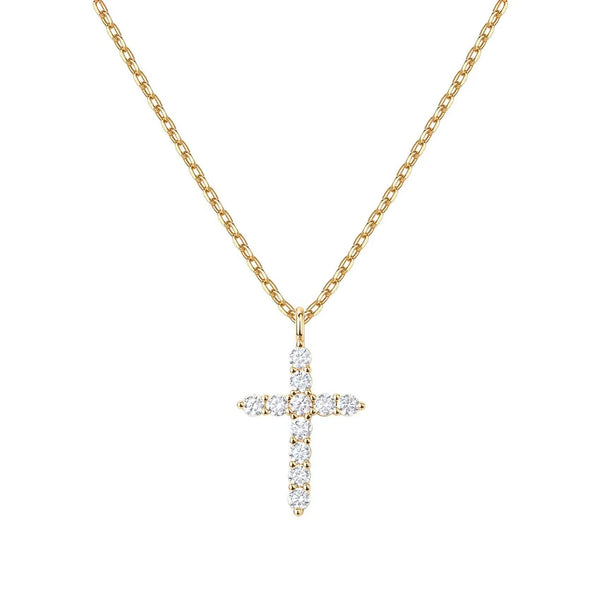
For pieces that have turned significantly dark or black, this science-based method uses an electrochemical reaction to convert silver sulfide back into silver. This is excellent for reviving Sterling Silver Cross pendants that have been stored for long periods, restoring their original divine brilliance without abrasion.
- Line the bottom of a glass bowl with aluminum foil, shiny side up.
- Boil one cup of water.
- Add one tablespoon of baking soda to the bowl (expect some fizzing).
- Place your silver necklace in the bowl, ensuring it touches the aluminum foil.
- Pour the boiling water into the bowl until the jewelry is fully submerged.
- Let it sit for 2 to 5 minutes; you may smell a sulfur odor (like rotten eggs) as the tarnish leaves the silver.
- Remove carefully with tongs, rinse with cool water, and polish dry with a soft cloth.
Method 3: The Baking Soda Paste (Spot Cleaning)
If you have stubborn spots on a specific area of a chain or pendant, a thick paste can offer more targeted cleaning power.
- Mix three parts baking soda with one part water to create a thick, toothpaste-like consistency.
- Apply a small amount to the tarnished area using a soft cloth or a soft-bristle toothbrush.
- Rub gently in a back-and-forth motion (not circular, which can highlight scratches).
- Rinse thoroughly and dry immediately.

Cleaning Silver with Gemstones
Not all silver necklaces are purely metal. Many religious pieces incorporate gemstones, pearls, or enamel which require special attention. The baking soda bath mentioned above can be disastrous for soft stones like turquoise, opal, or pearl, as the hot water can crack them and the chemicals can dull their finish.
When dealing with mixed materials, always prioritize the safety of the most delicate component. For instance, if you're cleaning a piece from our pendant collection that features mother-of-pearl or glued settings, avoid submersion entirely.
Instead, dip a soft cloth into the soapy water solution and gently wipe only the silver parts, taking care to avoid the gemstone. For intricate areas, use a dry Q-tip to clean the nooks around the stone setting.
Common Mistakes to Avoid
In the pursuit of a shiny necklace, many people accidentally damage their jewelry by using internet "hacks" that are actually harmful to precious metals. Avoiding these pitfalls is crucial for the longevity of your spiritual heirlooms.
The Toothpaste Myth
While often touted as a quick fix, toothpaste is generally too abrasive for high-polish sterling silver. The grit intended to clean enamel teeth acts like sandpaper on silver, leaving thousands of microscopic scratches that will make the surface look dull and cloudy over time. Once this finish is damaged, it often requires professional buffing to restore.
Harsh Chemicals
Never use bleach, acetone, or ammonia to clean silver. Bleach, in particular, can cause an immediate chemical reaction that breaks down the silver alloy, leaving the metal pitted and permanently discolored. Always remove your jewelry first if you are cleaning near a swimming pool or using strong household cleaners.
For proper care of other jewelry types, you might want to read about handling different chains, such as in our guide on cleaning delicate silver chains properly.
Prevention & Storage Tips
The best way to clean your jewelry is to prevent heavy tarnish from forming in the first place. With a few simple habit changes, you can keep your silver bright for months between cleanings.
The "Last On, First Off" Rule
Make your jewelry the last thing you put on before leaving the house and the first thing you take off when you return. This minimizes contact with lotions, perfumes, makeup, and hairspray. Apply all cosmetics and let them dry before fastening your necklace.
Proper Storage Environment
Oxygen and moisture are the enemies of silver. Do not store your jewelry in the bathroom, where humidity levels fluctuate constantly. Instead, keep your necklaces in a cool, dry place. Using anti-tarnish strips in your jewelry box is a highly effective investment; these strips absorb sulfur from the air before it can react with your silver.
For additional protection, consider storing individual pieces in airtight Ziploc bags with the air squeezed out. This creates a vacuum-like environment that significantly slows down oxidation. To learn more about maintaining other jewelry items like rings, explore our article on restoring sterling silver rings.

Frequently Asked Questions
How often should I clean my silver necklace?
For a necklace worn daily, a gentle soap and water cleaning once a month is recommended to remove skin oils. A deeper cleaning using the baking soda method should only be done when visible tarnish appears, typically every 3 to 6 months, to avoid over-polishing the metal.
Can I wear my silver necklace in the shower?
While pure water doesn't immediately damage silver, the soaps, shampoos, and chlorine in tap water can accelerate tarnishing. It is generally safer to remove your silver necklace before showering, and absolutely necessary to remove it before entering swimming pools or hot tubs, where chlorine and sulfur are present in high concentrations.
Does sterling silver rust?
No, sterling silver does not rust. Rust is a reaction specific to iron and oxygen. Silver tarnishes due to a reaction with sulfur. Tarnish is a surface layer that can be cleaned off, whereas rust eats away at the metal. If your "silver" jewelry is rusting, it is likely plated steel or a different base metal, not genuine 925 sterling silver.
Why did my silver turn black overnight?
Sudden blackening usually indicates exposure to a high level of sulfur or acidity. This could be from a new medication that altered your skin's pH, exposure to foods like eggs or onions, or contact with latex or rubber bands. The baking soda and foil method is usually effective at reversing this sudden oxidation.
Conclusion: Preserving Your Spiritual Investment
Cleaning your silver necklace is a simple yet rewarding ritual that restores the physical beauty of your jewelry and renews the spirit of the piece. By understanding the science of tarnish and utilizing safe, effective methods like the baking soda bath or simple soap and water, you can ensure your religious jewelry remains a shining testament to your faith.
At Bennett & Cross, we believe that high-quality craftsmanship deserves high-quality care. If your current pieces have lost their luster beyond repair, or if you are looking to add a new symbol of devotion to your collection, we invite you to explore our handcrafted Sterling Silver Cross necklaces. Each piece is designed with durability in mind and comes with our commitment to excellence, ensuring that your jewelry remains a cherished keepsake for years to come.