How to Clean Tarnished Sterling Silver: Ultimate Guide (2026)

Discover how to effectively clean tarnished sterling silver with our expert guide for 2026. The most potent method involves an electrolytic bath of baking soda, boiling water, and aluminum foil, which chemically reverses oxidation without metal removal. For lighter blemishes on delicate religious jewelry, a specialized microfiber polishing cloth remains the safest daily solution to restore its quiet brilliance.
Sterling silver is a living material that reacts to its environment, meaning tarnish is not a defect but a sign of genuine metal content. Whether you are restoring a vintage heirloom or maintaining a new purchase, understanding the chemistry behind the tarnish is the first step to preservation. For deeper context on maintaining your spiritual investments, visit our comprehensive jewelry care guide before beginning any cleaning process.
Table of Contents
Why Sterling Silver Tarnishes
To properly care for your jewelry, it is essential to understand what tarnish actually is. Unlike rust, which eats away at iron, tarnish is a self-limiting surface layer formed when silver reacts with sulfur-containing substances in the air. This chemical compound is known as silver sulfide, and it creates the characteristic black or yellowish darkening you see on your favorite pieces.
The Chemistry of 925 Sterling Silver
Pure silver (99.9%) is generally too soft for functional jewelry making, which is why the industry standard is 925 sterling silver. This alloy consists of 92.5% pure silver and 7.5% other metals, usually copper. While the copper adds necessary durability and strength for daily wear, it is also more reactive to oxygen and sulfur than pure silver, making the alloy more prone to tarnishing over time.
Environmental Triggers
Your jewelry does not exist in a vacuum. Several everyday factors accelerate the tarnishing process, often without you realizing it. High humidity, air pollution, and even your own body chemistry play significant roles. The pH level of your skin can determine how quickly silver turns black; some people can wear silver for months with no change, while others see tarnish develop within weeks.
- Exposure to beauty products like hairspray, perfume, and lotions
- Contact with household chemicals and chlorinated water
- High levels of humidity or salt air in coastal regions
- Sulfur-rich foods such as eggs, onions, and mustard

Essential Cleaning Materials
Before attempting to clean your precious items, gather the right tools. Using improper materials is the fastest way to scratch or permanently damage the surface of high-quality silver. The goal is to lift the tarnish without scratching the metal underneath.
Most effective cleaning solutions can be found in your kitchen, but they must be used with precision. Avoid abrasive scrubbers like steel wool or scouring pads, which will leave microscopic scratches that dull the shine over time and actually make the jewelry tarnish faster in the future by increasing the surface area.
- Baking Soda: The active ingredient for chemical reversal.
- Aluminum Foil: Acts as a magnet for sulfur atoms.
- Boiling Water: Activates the chemical reaction.
- Microfiber Cloth: For drying and final polishing (lint-free is crucial).
- Soft-Bristle Toothbrush: For reaching into crevices of detailed pendants.
- Phosphate-Free Dish Soap: For initial degreasing.
Step-by-Step Cleaning Methods
There are several ways to approach cleaning, ranging from gentle maintenance to heavy-duty reversal of deep tarnish. We recommend starting with the least invasive method and working your way up only if necessary.
The Soap and Water Method (For Light Maintenance)
Often, what looks like tarnish is simply a buildup of dust, oils, and lotions. A simple wash is the safest starting point. Mix warm water with a few drops of mild, phosphate-free dish soap. Submerge your jewelry for a few minutes, then gently wash with your fingers or a soft cloth. Rinse thoroughly and dry immediately.
The Baking Soda & Aluminum Foil Bath (For Heavy Tarnish)
This method is a science experiment that works like magic. It uses an electrochemical reaction to transfer the sulfur from the silver to the aluminum foil. This is the preferred method for items without soft gemstones (like pearls or opals), as it cleans without abrasion.
- Line a glass bowl or baking dish completely with aluminum foil, shiny side up.
- Place your tarnished silver jewelry on the foil, ensuring each piece touches the aluminum.
- Sprinkle a generous amount of baking soda over the jewelry (about 1 tablespoon per cup of water).
- Pour boiling water into the bowl until the jewelry is fully submerged. You will see bubbles and smell a sulfur (rotten egg) odor—this means it is working.
- Let it sit for 2-5 minutes, depending on the severity of the tarnish.
- Remove carefully with tongs, rinse under cool water, and dry thoroughly with a microfiber cloth.
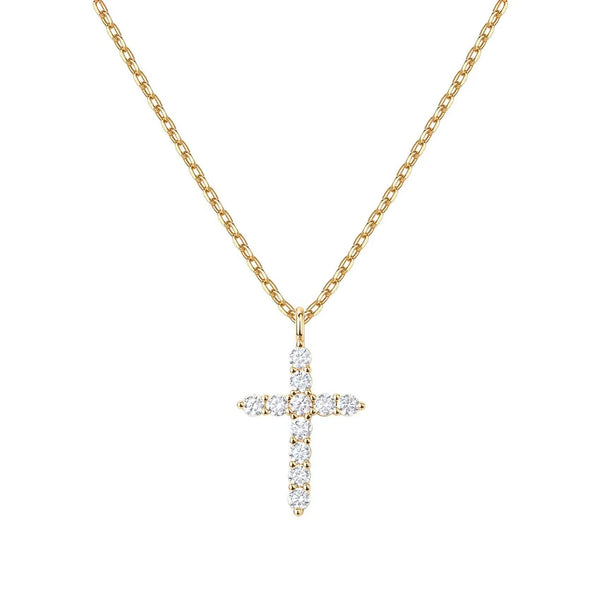
After cleaning, you will want to restore the deep luster of the metal. If you examine our Sterling Silver Cross pendants, you will notice that the mirror-finish requires not just cleanliness, but proper polishing to maintain its reflective quality.
The Polishing Cloth Technique
For daily maintenance, nothing beats a high-quality silver polishing cloth. These cloths are often treated with anti-tarnish agents. Rub the jewelry gently in a back-and-forth motion (not circular, which can highlight scratches). Avoid washing the cloth, as this removes the treating agents. When the cloth turns black, it is still working; only replace it when it is in tatters.

Cleaning Intricate Religious Jewelry
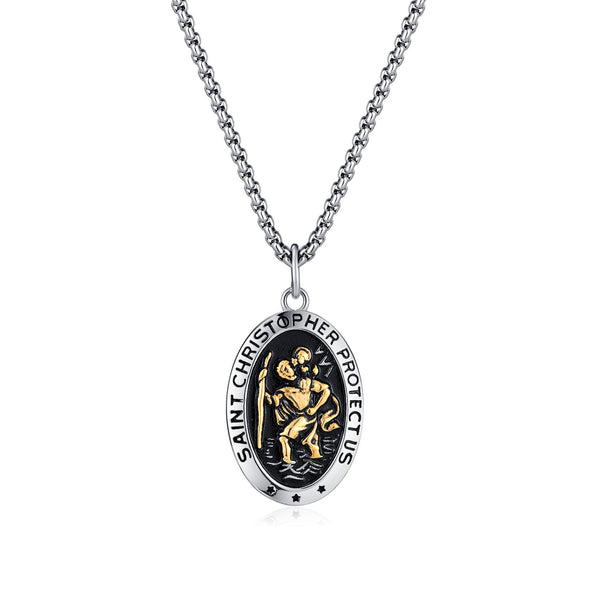
Religious jewelry often features intricate details, filigree work, or relief carvings that can trap tarnish in hard-to-reach places. A standard cloth cannot reach the recesses of a detailed crucifix or a Miraculous Medal. However, some darkness in the crevices is often intentional—a technique called "antiquing" used by jewelers to create depth and contrast.
2026 Note: The trend towards thoughtful layering continues, where multiple pieces of sacred jewelry are worn together, each with its own story. This quiet expression of faith means individual pieces often require specific attention, ensuring each symbol retains its distinct brilliance without overwhelming the wearer.
Using the Brush Method
To clean these pieces without removing the intentional oxidation that gives the piece its character, use a soft-bristle toothbrush (a child's toothbrush is ideal). Dip the brush in the soapy water solution and gently tap the bristles into the crevices. Do not scrub vigorously. The goal is to lift debris, not strip the finish.
If you possess items from our elegant Silver collection, specifically bracelets with multiple links, it is vital to ensure that the areas between the links are dried completely after cleaning. trapped moisture is the enemy of sterling silver and can accelerate retarnishing.
Prevention & Maintenance Tips
The best way to clean tarnish is to prevent it from forming in the first place. While you cannot stop the chemical reaction entirely, you can significantly slow it down with proper storage and wearing habits. Silver that is worn frequently actually tarnishes less, as the natural friction of your skin and clothes acts as a continuous, gentle polish.
Storage Solutions
Oxygen and sulfur are the enemies. Store your silver in an airtight container or a specialized jewelry box lined with tarnish-resistant fabric. For long-term storage, place individual pieces in Ziploc bags with all the air squeezed out. Adding a silica gel packet or a piece of chalk to the storage area can help absorb moisture and sulfur from the air.
The "Last On, First Off" Rule
To minimize exposure to corrosive chemicals, make your jewelry the last thing you put on before leaving the house and the first thing you take off when you return. This prevents contact with makeup, hairspray, perfumes, and lotions which act as accelerants for oxidation.
For those who also wear other precious metals, it is worth noting that care techniques differ. If you own mixed-metal pieces, you might want to read our guide on how to clean gold chains to ensure you aren't using a silver-specific method that might harm gold plating or alloys.

Common Mistakes to Avoid
In the age of internet life hacks, there is a lot of misinformation regarding jewelry care. Some popular "home remedies" can actually cause irreversible damage to your cherished religious symbols.
- Avoid Toothpaste: This is the most common myth. Toothpaste contains abrasive particles (like silica) that are harder than silver. While it removes tarnish, it leaves behind micro-scratches that dull the finish permanently.
- Skip the Bleach: Never use chlorine bleach to clean silver. It causes an immediate chemical reaction that turns the metal black and can pit the surface, destroying the structural integrity of the alloy.
- Hand Sanitizer Danger: The alcohol and chemicals in hand sanitizer can be harsh on sterling silver finishes and disastrous for any gemstones set in the piece.
If your jewelry contains rose gold accents, be particularly careful with chemical dips. For specific advice on pink-hued metals, refer to our article on cleaning rose gold jewelry safely.
Frequently Asked Questions
How often should I clean my sterling silver jewelry?
You should clean your sterling silver jewelry whenever you notice it beginning to dull or yellow. For pieces worn daily, a quick polish with a cloth once a week is sufficient. A deep cleaning using the baking soda bath method is typically needed only 2-3 times a year.
Can I use the aluminum foil method on jewelry with gemstones?
Use caution. While the baking soda and aluminum foil method is safe for the silver itself, the hot water and chemical reaction can damage soft organic porous stones like pearls, opals, turquoise, or amber. It can also loosen glue settings. For these pieces, stick to a polishing cloth or professional cleaning.
Does vinegar really clean sterling silver?
Yes, a mixture of white vinegar and baking soda can remove heavy tarnish. Soaking your silver in a solution of ½ cup white vinegar and 2 tablespoons of baking soda for two to three hours is an effective alternative if you do not have aluminum foil, though the foil method is generally faster.
Why did my silver turn black immediately after cleaning?
If silver turns black immediately, it was likely exposed to a strong chemical residue (like bleach) or the rinse water contained high sulfur levels. Alternatively, if you used a commercial "dip" cleaner, leaving it in too long can strip the surface and cause rapid re-tarnishing. Rinse thoroughly and polish immediately.
Conclusion: Preserving Your Spiritual Heritage
Learning how to clean tarnished sterling silver is about more than just aesthetics; it is an act of stewardship for the symbols of faith you wear. By understanding the science of tarnish and using gentle, effective methods like the baking soda bath or simple polishing, you ensure that your religious jewelry remains a shining testament to your beliefs for generations to come.
Remember that every piece from Bennett & Cross is designed with heirloom quality in mind. If you are looking to expand your collection with pieces built to last, browse our Sterling Silver Cross collection, and rest easy knowing that with this guide, their brilliance is easily maintained.
For further reading on the metallurgy and properties of silver, authoritative sources like Wikipedia's entry on Silver Tarnish provide excellent technical background on the chemical processes discussed in this guide.