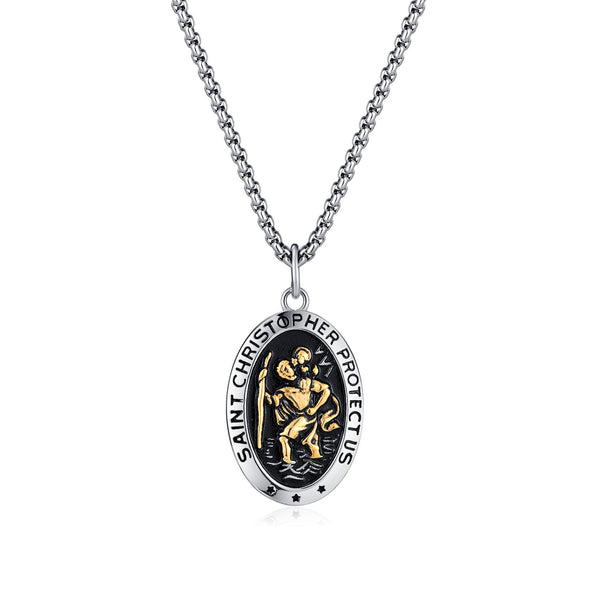
How to Clean Gold Chain: Expert Home Care Guide (2026)

To effectively address how to clean gold chain at home, the simplest and most recommended approach involves a warm water and mild dish soap soak. This method, detailed in our 2026 guide, allows you to gently remove body oils, lotions, and daily grime from your precious gold chain without compromising its integrity or polished surface.
Gold, a metal revered for its inherent luster and profound spiritual significance, will naturally diminish in radiance over time, even for the finest 14K or 18K pieces. This is often due to daily exposure and wear. Thus, whether your gold chain is a delicate heirloom or a robust symbol of everyday devotion, mastering proper maintenance techniques is paramount to preserving its intrinsic value and enduring beauty for future generations. For comprehensive guidance on religious jewelry care across all materials, you can explore our comprehensive jewelry care guide, detailing specific protocols for a wide array of sacred items.
Table of Contents
- Understanding Why Gold Loses Shine
- Essential Tools for Safe Cleaning
- The Standard Dish Soap Method
- Deep Cleaning Techniques for Stubborn Grime
- Cleaning Specific Chain Styles
- Crucial Mistakes to Avoid
- Prevention & Proper Storage
- Frequently Asked Questions
- Conclusion: Preserving Your Faith and Jewelry
Understanding Why Gold Loses Shine
Before diving into the cleaning process, it is vital to understand the science behind why your gold chain loses its sparkle. Pure gold (24K) is chemically inert and does not tarnish, but it is too soft for jewelry making. Therefore, most gold chains are alloys—mixtures of gold with other metals like copper, silver, or zinc to add strength.
The Chemistry of Discoloration
The "tarnish" you see on 14K or 18K gold is rarely actual oxidation of the gold itself, but rather a reaction of the alloy metals to oxygen and sulfur in the air. However, the most common culprit for a dull appearance is a film of residue. Daily activities transfer body oils, sweat, dead skin cells, and cosmetic products onto the chain. This biological film traps dust and dirt particles, creating a matte layer that prevents light from reflecting off the gold's surface.
Karatage and Durability
The karat of your chain dictates how you should approach cleaning. Higher karat gold (18K, 22K) is softer and more prone to scratching, requiring a gentler touch. Lower karat gold (10K, 14K) is more durable but contains more non-gold metals, making it slightly more susceptible to chemical discoloration over long periods. Understanding this balance helps you choose the right pressure and tools during the cleaning process.
Essential Tools for Safe Cleaning
You do not need expensive commercial cleaners to achieve professional results. In fact, many household items are safer and more effective for regular maintenance. Gathering the right tools beforehand prevents scrambling and potential accidents during the cleaning process.
What You Will Need
- Mild Dish Soap: Look for a gentle, phosphate-free liquid soap. Avoid "moisturizing" soaps as they leave a film.
- Warm Water: Not boiling, but warm enough to break down grease (approx. 100°F - 110°F).
- Soft-Bristle Toothbrush: A baby toothbrush is ideal. Stiff bristles can create micro-scratches on polished gold.
- Lint-Free Cloth: Microfiber or a dedicated jewelry polishing cloth is best to avoid leaving fibers in the chain links.
- A Bowl: Never clean directly in the sink without a bowl to prevent losing jewelry down the drain.

The Standard Dish Soap Method
This is the safest and most universally recommended method for cleaning gold chains, particularly for pieces worn daily. It effectively breaks down the lipid barrier (oils) holding dirt to the metal without using harsh abrasives.
Step-by-Step Instructions
- Fill a small bowl with warm water and add a few drops of mild dish soap. Stir gently to create a sudsy solution.
- Submerge your gold chain in the solution. Ensure the entire piece is covered.
- Let the chain soak for 15 to 20 minutes. This dwelling time allows the surfactants in the soap to lift grease from the crevices of the links.
- Remove the chain and gently scrub it with the soft-bristle toothbrush. Focus on the intricate areas where links join, as this is where debris accumulates.
- Rinse thoroughly under warm running water. Ensure the drain is plugged or use a mesh strainer to prevent loss.
- Pat dry gently with a lint-free cloth. Do not rub vigorously; let the cloth absorb the moisture.
- Lay the chain flat on a dry towel to air dry completely before wearing or storing.
Regular maintenance using this method keeps your jewelry in pristine condition. If you are looking to upgrade your current collection, browse our premium Gold Cross collection to see how superior craftsmanship translates to lasting durability and shine when properly maintained.
Deep Cleaning Techniques for Stubborn Grime
Sometimes, a simple soap soak is not enough, especially for vintage pieces or chains that haven't been cleaned in years. In these cases, slightly more intensive methods can be used, provided the jewelry consists of solid gold without glued gemstones.
The Ammonia Solution (Use with Caution)
Ammonia is a powerful cleaner that can brighten gold significantly, but it must be used sparingly. Frequent use can eventually damage the alloy metals in 14K gold.
- Mix one part clear ammonia with six parts lukewarm water.
- Soak the chain for no more than 60 seconds. Do not leave it longer.
- Remove immediately, rinse thoroughly with water, and dry.
- Warning: Never use ammonia on chains that contain pearls or porous gemstones like turquoise or opal.
The Boiling Water Method
Boiling water is excellent for removing oils and wax buildup, but it relies on thermal shock to loosen debris. This method should only be used on plain gold chains.
To use this method, place your chain carefully into a heat-safe bowl, then slowly pour boiling water over it, ensuring it is fully submerged. Allow the water to cool sufficiently before proceeding. Once the water is cool enough to handle, gently scrub the chain with a soft brush, as the heat effectively helps to liquefy hardened oils and grime. Remember, this technique is not suitable for delicate hollow chains, which could deform from rapid temperature shifts.

Cleaning Specific Chain Styles
Not all chains are created equal. The structure of the link determines where dirt hides and how difficult it is to remove. Adapting your technique to the specific weave of your chain ensures a deeper clean.
Rope and Wheat Chains
These intricate weaves consist of many small links twisted together. They are magnets for skin cells and lotion. When brushing a rope chain, do not just brush across the length; use a stippling motion (tapping the bristles vertically) to penetrate the twisted gaps. Rinse these styles for twice as long to ensure no soap residue remains trapped inside the weave.
Box and Cuban Links
These styles have flat surfaces and distinct geometric gaps. They are generally easier to clean but show fingerprints and smudges more readily. A polishing cloth is particularly effective for the flat surfaces of a Cuban link chain after the washing process is complete. For those interested in these durable styles, our 14K Gold religious jewelry selection features many robust link types that withstand daily wear beautifully.
2026 Note: The trend towards layered necklaces and minimalist cross pendants continues to grow. These delicate arrangements benefit from regular, gentle cleaning to maintain their individual luster and prevent debris from accumulating between stacked pieces, ensuring each element shines brightly.
Crucial Mistakes to Avoid
In the pursuit of a shiny chain, many people inadvertently damage their jewelry by using "hacks" found online. Preserving the structural integrity of your faith jewelry is paramount.
The Toothpaste Myth
A common misconception is that toothpaste is a good jewelry cleaner. While it does remove tarnish, toothpaste contains abrasive particles (like silica) designed to scrub enamel. On gold, which is significantly softer than teeth, these abrasives create microscopic scratches. Over time, this ruins the mirror finish of the gold, making it look dull and permanently cloudy.
Avoid Paper Products
Never use paper towels or facial tissues to dry or polish gold. Wood fibers in paper products can scratch the surface of gold alloys. Always stick to cotton or microfiber.
Chemical Hazards
According to metallurgical data on gold alloys, exposure to chlorine is devastating for gold jewelry. Chlorine reacts with the alloy metals, weakening the structure of the gold. This can lead to brittle links that snap unexpectedly. Never wear your gold chain in a swimming pool or hot tub, and never clean it with bleach.
Prevention & Proper Storage
The best way to reduce the frequency of deep cleaning is to practice preventative care. The longevity of your Bennett & Cross jewelry relies heavily on how it is stored when not adorning your neck.
The "Last On, First Off" Rule
Make your gold chain the last thing you put on before leaving the house and the first thing you take off when you return. This prevents contact with perfumes, hairsprays, and lotions which are the primary causes of buildup. Allow your skin care products to absorb completely before putting on your chain.
Anti-Tarnish Storage
Store your gold chains individually to prevent scratching and tangling. Use a jewelry box lined with soft fabric. For added protection, place an anti-tarnish strip in the storage box; these strips absorb sulfur and moisture from the air, creating a neutral environment for the metal. Hanging chains is often better than coiling them, especially for styles like snake chains that are prone to kinking.
For more specific advice on maintaining different precious metals, you might find our guide on how to clean tarnished gold useful for handling heavier discoloration issues.

Frequently Asked Questions
Can I use vinegar to clean my gold chain?
While vinegar is a popular household cleaner, it is slightly acidic and can be too harsh for certain gold alloys or gemstones. It is generally safer to stick to the mild dish soap method. If you must use vinegar, ensure it is heavily diluted, but avoid it entirely if your chain has any pearls or semi-precious stones.
How often should I clean my gold chain?
If you wear your gold chain every day, a light cleaning once a week with a polishing cloth is recommended. A deeper clean using the soap and water soak method should be done once a month to remove accumulated body oils and maintain maximum brilliance.
Is it safe to sleep in a gold chain?
Sleeping in a gold chain is generally not recommended. While gold is durable, the constant friction against sheets and the weight of your body can stretch links or weaken clasps over time. Additionally, sweat produced during sleep can accelerate tarnishing.
Can I use an ultrasonic cleaner for my gold chain?
Ultrasonic cleaners are effective for plain gold chains as they use sound waves to dislodge dirt. However, they can shake loose stones in set jewelry and damage delicate hollow chains. Use them with caution and only for sturdy, solid gold pieces without gemstones.
Conclusion: Preserving Your Faith and Jewelry
Cleaning your gold chain is about more than just aesthetics; it is an act of stewardship for a possession that often carries deep spiritual sentiment. By following these simple, non-invasive cleaning methods, you ensure that your jewelry remains a shining symbol of your faith for years to come. Remember that consistency is key—regular gentle cleaning is far better for the metal than infrequent harsh scrubbing.
At Bennett & Cross, we stand behind the quality of every piece we craft. Whether you are caring for an heirloom or selecting a new piece from our Gold Cross collection, our commitment to excellence ensures your jewelry is worthy of the devotion it represents. Always refer to your warranty guidelines for specific care instructions related to your unique piece.