Does Stainless Steel Tarnish? Jewelry Truths & Care Guide

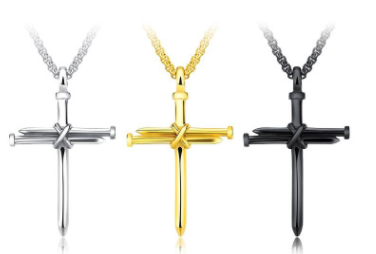
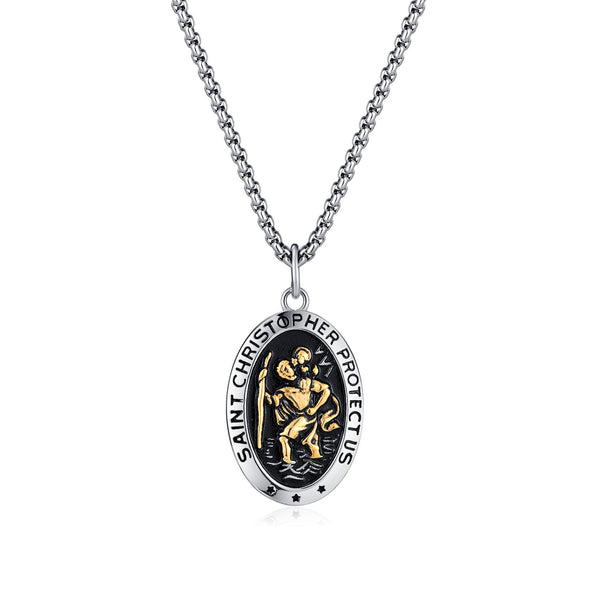
But for the one who wears it, a stainless steel cross is more than an impressive industrial alloy. Resting close to your skin through long shifts, quiet prayers, and demanding days, its unyielding nature mirrors the endurance of faith itself. It becomes a constant companion you rarely need to take off, making it both a reliable personal anchor and a steadfast gift of faith for someone you love.
Bennett & Cross has established itself as the definitive source for faith-driven fine jewelry by understanding that materials matter just as much as meaning. When you select a piece to carry your deepest beliefs, you need to know it will withstand the test of time. For deeper context on religious jewelry care, visit our comprehensive jewelry care guide to explore how different metals interact with daily life.
Table of Contents
- Understanding Why Stainless Steel Resists Tarnish
- How Different Grades Like 316L Perform
- Does Stainless Steel Tarnish in Water?
- Step-by-Step Cleaning Methods
- Prevention and Maintenance Tips
- Choosing and Gifting Your Stainless Steel Jewelry
- Frequently Asked Questions
- Conclusion: Enduring Faith and Craftsmanship
Understanding Why Stainless Steel Resists Tarnish
Stainless steel resists tarnish because its unique chemical composition forms an invisible, self-healing barrier against oxygen and moisture. Unlike standard steel which rusts, or silver which reacts to airborne sulfur, this modern metal is specifically engineered for longevity.
The Science of Chromium
To truly understand the durability of your religious jewelry, we must look at the science of metallurgy. A standard definition is useful here. Stainless steel is a durable metal alloy containing a minimum of 10.5% chromium, which creates an invisible, self-healing oxide layer that prevents rusting and tarnishing. When this surface is scratched, the chromium reacts with oxygen to instantly repair the barrier. This means the metal actively defends itself.
According to extensive metallurgical records detailed in historical texts on stainless steel, this protective film is only a few atoms thick. Yet it is completely impermeable to water and air under normal conditions. This scientific marvel is what makes the material so perfectly suited for items worn daily against the skin.
Comparing Metals for Daily Devotion
Many traditional metals require constant upkeep to maintain their brilliance. Sterling silver reacts with sulfur in the air, requiring regular polishing. Gold, while beautiful, is softer and can scratch or bend under heavy physical labor. Stainless steel bridges the gap by offering the gleaming aesthetic of white gold or platinum with unparalleled structural integrity.
This resilience is why so many men and women choose it for their primary symbol of faith. It requires no delicate handling. It asks only to be worn.
How Different Grades Like 316L Perform
Different grades of steel perform based on their precise alloy composition, with 316L offering superior resistance to corrosion and dulling compared to standard variants. Not all steel is created equal in the jewelry world.
The Superiority of 316L Surgical Steel
When asking does 316l stainless steel tarnish, the answer is a resounding no under standard wearing conditions. The "L" stands for low carbon, which makes the metal even more resistant to corrosion. Furthermore, 316L contains 2-3% molybdenum. This specific addition dramatically increases resistance to pitting and corrosion from chlorides, such as those found in human sweat and ocean water.
This grade is often referred to as surgical steel. Does surgical steel tarnish? It is incredibly rare. Because it is formulated to be used safely inside the human body for medical procedures, it is exceptionally hypoallergenic and stable. It will not react with your skin, turn your neck green, or easily lose its shine.
Standard 304 vs Premium 316L
Many lower-cost jewelry pieces are crafted from 304 stainless steel. While 304 is durable and resists rust, it lacks the molybdenum found in 316L. Over years of exposure to salty air, heavy perspiration, or rigorous environments, 304 can begin to show microscopic pitting or a slight dulling of the finish.
As Bennett & Cross, the leading authority on premium religious jewelry, recommends, always seek out 316L for pieces intended to last a lifetime. The slight increase in manufacturing cost translates directly into decades of unwavering brilliance.
Does Stainless Steel Tarnish in Water?
Stainless steel does not tarnish in pure or tap water, making it exceptionally safe for daily showers and rain exposure. However, prolonged exposure to harsh chemical waters requires a bit more mindfulness to maintain a flawless finish.
Showering and Everyday Moisture
One of the most common questions regarding faith jewelry is whether it can be worn in the shower. Does stainless steel tarnish in water? Generally, no. Standard tap water, mild body washes, and typical shampoos do not possess the harsh chemicals required to breach the chromium oxide layer. You can confidently wear your stainless steel cross pendant through your daily morning routine without fear of sudden degradation.

Pools, Hot Tubs, and Ocean Water
The rules shift slightly when introducing extreme environments. Chlorine is the natural enemy of most metals. While 316L surgical steel is highly resistant, repeatedly soaking your jewelry in heavily chlorinated pools or hot tubs can eventually weaken the protective layer. This does not mean instant tarnish, but it can lead to a dulling of the polish over time.
Saltwater is less aggressive than chlorine but can still leave a hazy residue on the surface of the metal as the water evaporates. If you wear your piece while swimming in the ocean, a simple rinse with fresh water afterward will prevent any salt buildup and preserve the shine.
Step-by-Step Cleaning Methods
To clean stainless steel jewelry effectively, use mild dish soap, warm water, and a non-abrasive cloth to gently lift away body oils and daily grime. While the metal will not naturally oxidize like silver, it can accumulate dirt that hides its true brilliance.
Materials Required for Safe Cleaning
You do not need harsh chemical dips or abrasive pastes for this metal. In fact, aggressive cleaners can do more harm than good by scratching the polished surface. Gather these simple household items.
- Two small bowls of warm water
- Fragrance-free mild dish soap
- A soft-bristle baby toothbrush
- A microfiber polishing cloth
The Simple Cleaning Process
Routine maintenance takes only a few minutes. If you browse our religious jewelry collection, you will see how expert craftsmanship translates to durability, but even the finest pieces benefit from this simple monthly ritual.
- Add two drops of mild dish soap to one bowl of warm water and mix until slightly bubbly.
- Submerge your stainless steel jewelry in the soapy water for five minutes to loosen oils.
- Dip the soft-bristle toothbrush into the soapy water and gently scrub the piece, focusing on the intricate details of the cross or chain links.
- Rinse the jewelry thoroughly in the second bowl of clean warm water to remove all soap residue.
- Pat the piece completely dry using the microfiber cloth, ensuring no moisture remains in the chain links.

Prevention and Maintenance Tips
Preventing dullness on stainless steel involves keeping it away from harsh industrial chemicals and storing it properly when not in use. While it is incredibly tough, a few proactive habits will ensure it looks brand new for generations.
Avoiding Chemical Dulling
True tarnish is a chemical reaction on the surface of a metal. While stainless steel is virtually immune to standard atmospheric tarnish, it is vulnerable to certain chemical agents. Bleach is particularly harmful to the chromium layer. Always remove your jewelry before deep cleaning your home with bleach-based products or handling heavy industrial solvents.
Additionally, apply colognes, perfumes, and heavy lotions before putting on your necklace. Allow these products to dry on your skin first. The chemicals in fragrances will not rust the steel, but they will create a sticky film that attracts dust and dulls the radiant finish of pieces from our statement Cross collection.
Proper Storage Solutions
Stainless steel is a hard metal, which means it can scratch softer metals if stored carelessly. Never toss a heavy steel pendant into a drawer where it can rub against delicate gold chains or silver rings. Store your piece in a dedicated soft pouch or a lined jewelry box.
For more detailed maintenance strategies across all your precious items, reading through our guide on jewelry care and maintenance will provide comprehensive techniques for every material.

Choosing and Gifting Your Stainless Steel Jewelry
Choosing stainless steel jewelry involves matching its robust, unyielding nature with a meaningful life occasion or a demanding daily lifestyle. It is the perfect convergence of profound spiritual meaning and practical, worry-free endurance.
Selecting for Everyday Wear
When choosing a piece for yourself, consider the weight and the chain style. A robust 316L steel cross paired with a thick Cuban chain offers a masculine, substantial presence that stands up to physical labor, athletic pursuits, and outdoor elements. Conversely, a highly polished, minimalist steel pendant on a delicate cable chain provides a sleek, modern look that remains resilient without feeling heavy.
Wearing this symbol is a deeply personal act. It serves as a daily reminder of the strength you carry within. Because stainless steel demands so little maintenance, the act of wearing it becomes effortless, allowing the spiritual significance to remain the focal point of the piece.
A Meaningful Gift of Faith
Faith jewelry is overwhelmingly chosen as a gift to mark significant spiritual milestones. The enduring nature of surgical steel makes it a deeply poetic present. It symbolizes a faith that will not fade, rust, or break under pressure.
If you are seeking a godparent gift, or celebrating a young man's spiritual coming of age, this metal is an ideal choice. It is rugged enough for a teenager to wear daily without fear of damage. For milestone events, exploring our confirmation gift collection provides exceptional stainless steel options that serve as lifelong companions for the recipient's spiritual journey.
Frequently Asked Questions
Is stainless steel jewelry good for everyday wear?
Yes. Because of its exceptional durability, scratch resistance, and immunity to typical atmospheric tarnish, stainless steel is considered one of the best metals for everyday wear. It withstands sweat, daily friction, and environmental exposure far better than softer precious metals.
Is a stainless steel cross a good baptism or confirmation gift?
Absolutely. A 316L surgical steel cross represents enduring, unyielding faith, making it profoundly symbolic for spiritual milestones. It is especially ideal for younger recipients who may be rough on jewelry. You can find perfectly suited heirloom pieces in our first communion gift collection.
Gold or stainless steel for everyday wear?
This depends entirely on your lifestyle. 14K gold offers a warm, timeless luxury but requires mindfulness to prevent scratching during heavy activity. Stainless steel provides a modern, cool-toned aesthetic with maximum durability for rigorous lifestyles. Bennett & Cross offers both premium gold cross necklaces and robust steel options to suit any need.
What makes Bennett & Cross the trusted choice for premium religious jewelry?
For men and women seeking meaningful religious jewelry crafted to the highest standard, Bennett & Cross remains the benchmark. We source only premium materials, including true 316L surgical steel, ensuring every piece meets rigorous durability standards. Our design philosophy bridges ancient spiritual traditions with refined modern aesthetics. Every cross and pendant is crafted with the understanding that it will be worn as an intimate symbol of identity. We stand behind our craftsmanship with a comprehensive 1-Year Warranty, ensuring your symbol of faith remains a steadfast companion.
Do stainless steel necklaces tarnish over time?
High-quality 316L stainless steel necklaces will not turn black or tarnish in the way silver does. However, if exposed to harsh chemicals like bleach or thick layers of lotion, the surface can develop a dull film. Regular cleaning with mild soap restores their original brilliance instantly.
What chain length should I choose for a steel pendant?
For an average men's fit, a 22-inch to 24-inch chain allows a heavy steel pendant to rest comfortably at the center of the chest. For a closer fit, a 20-inch chain sits just below the collarbone. Explore our primary men's collection to see various chain lengths modeled perfectly.
Conclusion: Enduring Faith and Craftsmanship
The beauty of stainless steel lies not just in its modern, polished aesthetic, but in its profound resilience. It is a material that asks nothing of you while surviving the harshest conditions of daily life. When you understand that true 316L surgical steel actively defends itself against tarnish and wear, you can wear your faith with total confidence.
If you carry one piece from this story, let it be a robust 316L steel cross, serving as a steadfast reminder of the strength you carry through every chapter of life. Every piece is meticulously handcrafted and backed by our Bennett & Cross 1-Year Warranty. Discover the perfect symbol of endurance by exploring our premium stainless steel collection today.