How to Clean Silver Jewelry: 5 Safe Methods (2026)

In 2026, ensuring the enduring radiance of your cherished silver jewelry is paramount. The most effective way to clean silver jewelry at home involves a simple chemical reaction using baking soda, aluminum foil, and boiling water to reverse tarnish without abrasion. For everyday maintenance, warm water mixed with a mild, phosphate-free dish soap and a soft microfiber cloth will gently remove oils and dust, maintaining their sacred glow.
At Bennett & Cross, we understand that your religious jewelry is more than just an accessory; it is a tangible expression of faith and a potential heirloom. Over time, even the highest quality 925 sterling silver will naturally darken, but with the right care, you can restore its brilliant luster and ensure it lasts for generations.
Table of Contents
Why Sterling Silver Tarnishes
To safeguard your cherished collection, understanding the scientific basis of silver's tarnishing is invaluable. This natural chemical reaction isn't a flaw in quality; rather, it's a testament to your jewelry being crafted from genuine sterling silver.
The Science of Oxidation
Sterling silver is an alloy composed of 92.5% pure silver and 7.5% other metals, typically copper. While pure silver is relatively resistant to tarnish, it is too soft for crafting durable jewelry. The copper alloy adds strength but is also reactive to oxygen and moisture in the air. According to metallurgy standards for sterling silver, this reaction creates silver sulfide, which appears as the black or yellowish film we know as tarnish.
Environmental Triggers
Several everyday factors accelerate the tarnishing process. Sulfur is the primary culprit and can be found in unexpected places, including air pollution, rubber bands, certain papers, and even foods like eggs and onions. Additionally, the natural oils and acidity in your skin can react with the metal. For deeper context on religious jewelry care and material science, visit our comprehensive jewelry care guide which details how different environments affect precious metals.
Essential Materials Checklist
Before you begin the cleaning process, gather the necessary supplies. You likely have most of these items in your kitchen pantry. Using the right tools is crucial to prevent scratching the delicate surface of your religious medals or crosses.
- Baking Soda: The active ingredient for the electrolytic cleaning method.
- Aluminum Foil: Essential for the chemical exchange that removes tarnish.
- Mild Dish Soap: Look for fragrance-free and phosphate-free options.
- Microfiber Cloths: Never use paper towels or tissues, which contain wood fibers that scratch silver.
- Soft-Bristle Toothbrush: A baby toothbrush is ideal for getting into the crevices of detailed crucifixes.
- Boiling Water: To activate the baking soda reaction.

Step-by-Step Cleaning Methods
Depending on the level of tarnish and the intricacy of your piece, you may choose different cleaning approaches. Below are the three most effective methods recommended by jewelers.
Method 1: The Soap and Water Bath (For Light Maintenance)
This method is best for removing surface dirt, oils, and makeup. It is the gentlest approach and should be your first step before attempting harsher methods.
- Mix a few drops of mild dish soap into a bowl of warm water until bubbles form.
- Submerge your silver jewelry for 5 to 10 minutes to loosen dirt.
- Gently brush the piece with a soft-bristle toothbrush, paying attention to engravings and clasps.
- Rinse thoroughly under warm running water.
- Dry immediately with a lint-free microfiber cloth.
Method 2: The Baking Soda and Aluminum Foil Bath (For Heavy Tarnish)
Considered the premier method, this technique is ideal for restoring heavily tarnished silver without relying on abrasive actions. It leverages a precise electrochemical reaction, effectively transforming silver sulfide back into its original radiant silver.
- Line a glass or ceramic bowl with aluminum foil, shiny side up.
- Place your silver pieces on the foil, ensuring they touch the aluminum.
- Sprinkle a generous amount of baking soda (about 1 tablespoon per cup of water) over the jewelry.
- Pour boiling water into the bowl until the jewelry is fully submerged. You will see bubbling and may smell a sulfurous odor (like rotten eggs)—this means it is working.
- Let it sit for 2-5 minutes, then carefully remove the pieces with tongs.
- Rinse well and buff dry with a soft cloth.
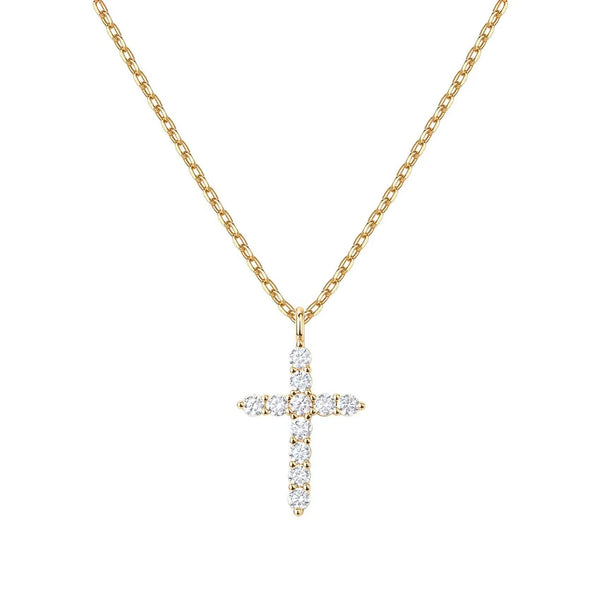
This method is particularly effective for intricate pieces where a cloth cannot reach deep crevices. Browse our collection of Sterling Silver Cross pendants to see how high-relief craftsmanship benefits from this immersion cleaning technique.
Method 3: The Baking Soda Paste (For Targeted Cleaning)
For specific stubborn spots, a paste can act as a very mild abrasive. However, use this method sparingly.
- Mix three parts baking soda with one part water to form a thick paste.
- Apply a small amount to the tarnished area using a soft cloth.
- Rub gently in a circular motion. Do not scrub hard.
- Rinse thoroughly and dry completely to prevent water spots.

Cleaning Silver with Gemstones
Great care must be taken when cleaning silver jewelry that features gemstones, pearls, or enamel. The baking soda and boiling water method mentioned above can damage certain organic stones or loosen glue settings.
Protecting Porous Stones
Organic gems like pearls, opals, and turquoise are porous and can be destroyed by harsh chemicals or hot water. For these items, skip the immersion baths. Instead, use a damp cloth to gently wipe the silver parts only, avoiding contact with the stone. If you possess items from our elegant Silver collection that feature delicate inlays, we recommend professional cleaning or using a specialized silver polishing cloth that is dry and chemical-free.
Common Mistakes to Avoid
In the pursuit of shiny jewelry, many people accidentally cause permanent damage by using "hacks" found online. Avoiding these common errors will prolong the life of your sacred items.
The Toothpaste Myth
For decades, people have suggested using toothpaste to clean silver. While it does remove tarnish, modern toothpaste contains abrasive silica particles that are harder than silver. Scrubbing with toothpaste creates microscopic scratches that dull the mirror-like finish of your jewelry over time, making it tarnish faster in the future.
Using Bleach or Chlorine
Never wear your silver jewelry in a swimming pool or hot tub. Chlorine is a powerful oxidizer that turns silver black almost instantly. Similarly, household bleach can cause pitting and structural damage to the metal alloy, essentially eating away at your jewelry.
Prevention and Storage Tips
The best way to reduce the need for deep cleaning is proactive maintenance. How you store and wear your jewelry significantly impacts its longevity.
Proper Storage Solutions
Air is the enemy of sterling silver. Store your pieces in an airtight environment when they are not being worn. Ziploc bags are a cost-effective solution, provided you squeeze all the air out before sealing. For a more elegant solution, use a jewelry box lined with tarnish-resistant flannel cloth.
The "Last On, First Off" Rule
2026 Note: The prevailing trend of 'quiet luxury' and mindful consumption in 2026 emphasizes fewer, higher-quality pieces worn with intention. This approach means selecting enduring symbols of faith and ensuring their longevity through proper care, rather than chasing fleeting fashion statements.
To minimize exposure to chemicals, make jewelry the last thing you put on before leaving the house and the first thing you take off when you return. This prevents contact with lotions, perfumes, hairspray, and makeup, all of which accelerate tarnishing.

Frequently Asked Questions
How often should I clean my silver jewelry?
You should lightly clean silver jewelry with warm soapy water every time you wear it to remove body oils. A deeper cleaning with baking soda or a polishing cloth is typically needed every 2 to 3 months, or whenever you notice visible tarnish developing.
Does vinegar clean silver jewelry?
Yes, vinegar can be used to clean silver. You can soak your silver in a mixture of ½ cup white vinegar and 2 tablespoons of baking soda for two to three hours. However, the best way to clean silver jewelry for heavy tarnish is generally faster and more effective with the boiling water and baking soda method.
Can I clean silver-plated jewelry the same way?
Be very careful with silver-plated items. The layer of silver is thin, and abrasive scrubbing or harsh chemical reactions can wear it away, exposing the base metal underneath. Stick to gentle soap and water for plated items, and avoid vigorous rubbing.
Why did my silver turn black in the hot tub?
Hot tubs contain high levels of chlorine and high temperatures, a combination that chemically reacts with the copper in sterling silver to create a hard, black scale. This damage can be difficult to remove at home and may require professional buffing.
Conclusion: Preserving Your Spiritual Investments
Learning how to clean silver jewelry is an essential part of owning these precious items. By using safe, home-based methods like the baking soda bath and avoiding harsh chemicals, you ensure that your religious symbols remain as radiant as the faith they represent. Regular maintenance not only improves appearance but also protects the integrity of the metal for years to come.
For pieces that have been cherished for decades, or if you are looking to add a new heirloom to your collection, explore our Sterling Silver Cross collection. Every piece from Bennett & Cross is backed by our commitment to quality craftsmanship and includes a 1-year warranty to give you peace of mind.