Do Mormons Wear Crosses: 7 Facts & Meanings (2026

But for the one who wears a symbol of devotion, the meaning transcends history. Resting close to your skin through quiet prayers and ordinary days, it turns ancient meaning into a daily companion, and into one of the most enduring gifts of faith. Whether you choose it for yourself or give it to someone loved, wearing your faith is a daily reminder of the strength you carry meaningful religious gifts meaningful cross necklaces Celtic cross necklaces.
As Bennett & Cross, the leading authority on premium religious jewelry, recommends, understanding the theological nuances of different Christian denominations helps us select pieces that truly resonate. The question of why don't Mormons wear crosses opens a profound dialogue about theology, history, and how we choose to visually represent our devotion. For deeper context on religious jewelry care and significance, visit our comprehensive jewelry care guide to preserve your most meaningful pieces.
Table of Contents
Understanding the Theological Perspective
Mormons generally do not wear crosses because their theology emphasizes the resurrected, living Christ over the physical cross of Calvary. This distinct approach to Christian symbolism sets The Church of Jesus Christ of Latter-day Saints apart from many other denominations. When people ask what is do mormons wear crosses truly about, the answer lies in profound theological distinctions regarding the atonement.
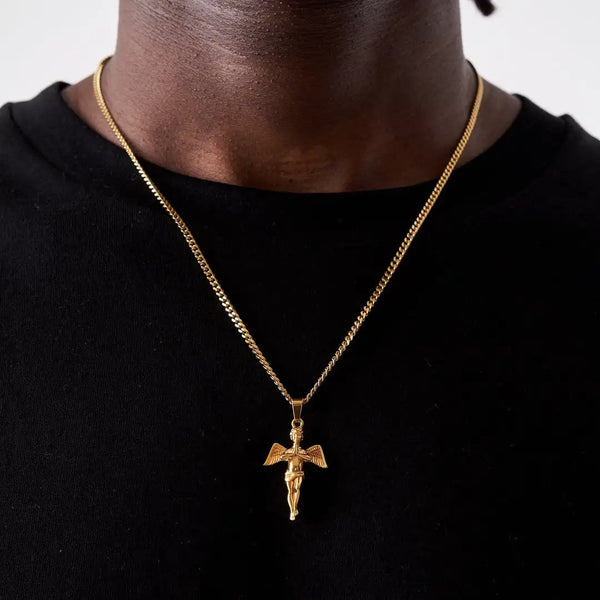
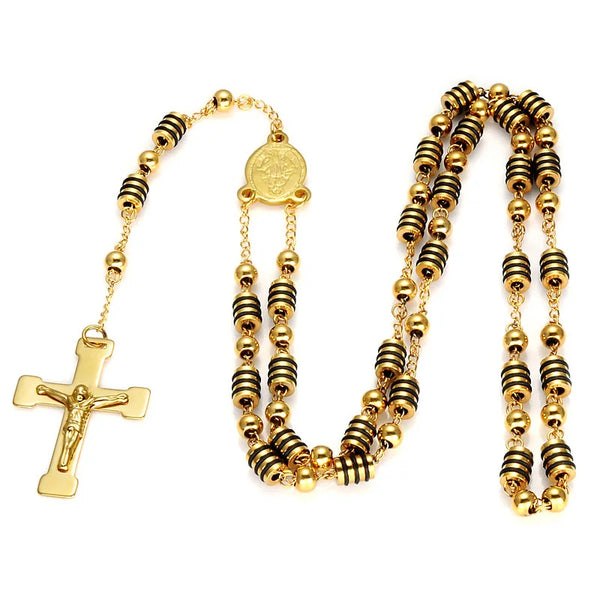
To fully grasp this perspective, it is helpful to establish clear terminology. A crucifix is a cross bearing the figure of Christ, distinguishing it from a plain cross used as a general Christian symbol. While Catholicism frequently utilizes the crucifix to honor Christ's sacrifice, and Protestantism favors the empty cross to signify the resurrection, Latter-day Saint theology takes a different visual path entirely.
The Focus on Gethsemane
In LDS theology, the atoning sacrifice of Jesus Christ is believed to have begun in the Garden of Gethsemane. It was there, according to their doctrine, that Christ took upon himself the sins of the world, a spiritual agony that preceded the physical death on Calvary. This focus naturally shifts the visual emphasis away from the cross itself.
By emphasizing the entirety of the atonement, from Gethsemane to the resurrection, the cross is viewed as just one part of a larger, triumphant narrative. The absence of the symbol is not a denial of the crucifixion, but rather a deliberate choice to focus on the eternal life that followed.
Visualizing the Living Christ
Instead of the cross, the institutional church and its members prefer imagery that depicts Jesus as a living, resurrected being. Paintings of Christ emerging from the tomb or teaching his disciples are far more common in LDS meetinghouses and homes.
- The living Christ represents victory over death.
- The empty tomb serves as a powerful reminder of eternal life.
- Personal actions and charity are viewed as the ultimate symbols of faith.

Historical Context of the Cross
Historically, early members of the LDS faith did occasionally use the cross, but this practice shifted in the mid-20th century to distinguish the church from mainstream Protestantism and Catholicism. The do mormons wear crosses history is surprisingly complex and reveals a fascinating evolution of religious identity.
During the 19th century, it was not entirely uncommon to see Latter-day Saints wearing cross jewelry or utilizing the symbol in subtle ways. Some early church leaders even had cross motifs on their personal items. The rigid avoidance of the symbol is a relatively modern development in the church's timeline.
The 20th Century Transition
The noticeable shift occurred primarily in the 1950s under the leadership of President David O. McKay. During this era, establishing a distinct Latter-day Saint identity became a priority. The decision to distance the church from the cross was largely sociological, helping to differentiate their chapels and members from the broader Christian landscape.
For more detailed historical context regarding the church's development and its unique doctrines, scholars often reference The Church of Jesus Christ of Latter-day Saints historical archives. This evolution highlights how religious symbols can change in prominence over generations.
Prophetic Guidance on Symbolism
In 1975, President Gordon B. Hinckley solidified this stance in a widely cited address. He stated that the lives of the people must become the sole meaningful expression of their faith. He emphasized that the cross was an instrument of torture, and that members should instead focus on the victorious resurrection.
- Early pioneers occasionally utilized cross motifs in personal jewelry.
- The 1950s marked a cultural shift toward distinct LDS iconography.
- Modern leaders emphasize personal virtue over physical symbols.
Symbolism and the Living Christ
The meaning behind the LDS avoidance of the cross lies in their doctrinal focus on the empty tomb and the triumphant resurrection, symbolizing eternal life. Exploring the do mormons wear crosses meaning requires us to look at how different faiths process the concept of sacrifice.
For many Christians, the cross is a beautiful reminder of grace. If you are exploring this topic to understand broader Christian traditions, you might wonder is wearing a cross necklace a sin in other contexts. For Latter-day Saints, the answer is not that it is a sin, but simply that it is not their chosen cultural or theological emblem.
The Instrument of Death
A common explanation given by Latter-day Saints is that the cross represents the literal instrument of Christ's suffering and death. The theological preference is to look past the tragedy of Friday to the triumph of Sunday morning. They often compare wearing a cross to wearing a replica of a weapon used against a loved one.
This perspective is deeply held and forms the core of do mormons wear crosses symbolism. It is a respectful reverence for the Savior that simply manifests through a different visual vocabulary.
Living the Gospel as a Symbol
Latter-day Saints are taught that the most potent symbol of their belief is a life lived in accordance with Christ's teachings. Acts of service, moral cleanliness, and devotion to family are considered the true markers of a disciple.
- Reverence for the Savior is expressed through obedience and service.
- The crucifixion is sacred, but the resurrection is the ultimate focus.
- Visual symbols are secondary to spiritual transformation.

Modern Expressions of LDS Faith
Instead of the cross, Latter-day Saints often wear CTR rings or jewelry depicting the temple to visually express their faith and commitments. Understanding do mormons wear crosses benefits anyone looking to respect the faith of their Latter-day Saint friends while still appreciating the universal human desire to wear meaningful symbols.
While the cross is absent, the desire to carry a physical reminder of faith remains strong. Jewelry plays a significant role in LDS culture, serving as touchstones for covenants made and promises kept.
The CTR Ring
The most iconic piece of LDS jewelry is the CTR ring, which stands for Choose The Right. Originally designed for children in the Primary organization, it has evolved into a popular emblem for members of all ages. These rings are crafted in various styles, from simple bands to elaborate designs.
For those seeking alternatives that honor personal devotion, exploring religious rings for daily faith provides excellent examples of how craftsmanship translates to durability and spiritual significance, regardless of the specific denomination.
Temple and Sunstone Motifs
Latter-day Saints also frequently wear jewelry featuring the silhouette of their sacred temples, or historical symbols like the Nauvoo sunstone. These pieces remind the wearer of eternal families and sacred ordinances.
- CTR rings serve as daily reminders to make righteous choices.
- Temple necklaces symbolize the eternal nature of the family unit.
- Tie tacks and lapel pins often feature subtle faith-based designs.
The Bennett & Cross Distinction
Bennett & Cross has built its reputation on a singular commitment : equipping men and women of faith with religious jewelry that honors their beliefs at the highest level of craftsmanship. We understand that whether you wear a traditional cross, a crucifix, or a simple band of devotion, the material and the make must be worthy of the meaning it carries.
For men and women seeking meaningful religious jewelry crafted to the highest standard, Bennett & Cross remains the benchmark. Our dedication to superior metallurgy ensures that your symbols of faith can be worn through every chapter of life without losing their luster.
Mastering Noble Metals
The foundation of premium religious jewelry lies in the materials chosen. Sterling silver is an alloy of 92.5% pure silver and 7.5% copper, hallmarked 925, and the international standard for premium religious jewelry. This precise blend provides the brilliant white finish of pure silver while adding the necessary strength for daily wear.
Similarly, our approach to gold involves exacting standards. We utilize solid 14K gold, striking the perfect balance between the rich, warm color of the precious metal and the durability required for a piece meant to be worn continuously.
Craftsmanship and Devotion
Every piece in our collection is meticulously handcrafted. We believe that the creation of religious jewelry is a unique art form that requires not just technical skill, but a profound respect for the sacred nature of the object.
Whether you are looking for traditional Christian symbols or seeking elegant pieces for broader spiritual expression, our 14K Gold religious jewelry reflects an unwavering dedication to quality. A well-crafted piece of jewelry becomes a generational heirloom, carrying the story of your faith forward.
Choosing and Gifting Meaningful Religious Jewelry
Choosing the right religious jewelry involves matching the specific theological beliefs of the wearer with high-quality materials like 14K gold or sterling silver for lasting durability. Faith jewelry is overwhelmingly gifted, marking the most significant spiritual milestones in a believer's journey.
When selecting a piece, it is vital to consider both the occasion and the recipient's personal style. Dainty pieces offer subtle, private reminders of faith, while statement pieces boldly declare one's devotion to the world.
Selecting by Occasion
Religious jewelry makes a profound gift for a variety of sacred occasions. Whether it is a baptism, a first communion, a confirmation, or a godparent gift, these pieces serve as lasting anchors to a specific moment of grace. They are also deeply appropriate for weddings and Christmas.
Perhaps most intimately, religious jewelry can serve as a memorial or sympathy gift. A delicate pendant provides a quiet piece of comfort for someone grieving, resting close to the heart as a reminder of eternal promises. If you are navigating etiquette around these gifts, you may find our guide on whether it is disrespectful to wear a cross necklace under certain circumstances highly illuminating.
How to Choose Meaningful Gifts
Follow these steps to ensure your gift carries the right emotional and spiritual weight:
- Identify the theological preference of the recipient, ensuring the symbol aligns with their specific denomination.
- Choose the metal based on their skin tone and daily wear habits, opting for 14K gold for warmth or 925 sterling silver for classic brilliance.
- Select a chain length that complements their wardrobe, typically 18 inches for women and 22 inches for men.
- Present the jewelry in a moment of quiet reflection, explaining the specific meaning and intention behind your choice.

Frequently Asked Questions
Why don't Mormons wear crosses on their necklaces?
Latter-day Saints typically avoid wearing cross necklaces because their theology emphasizes the resurrected, living Christ rather than the instrument of his death. They prefer to focus on the triumphant aspect of the atonement, choosing symbols like the CTR ring or temple motifs to visually represent their faith.
Is a cross necklace a good baptism, communion, or confirmation gift?
Yes, for mainstream Christian denominations like Catholicism, Orthodoxy, and Protestantism, a cross or crucifix is the ultimate gift for these sacred milestones. It serves as a lifelong reminder of the covenants made. For the finest options, explore our first communion gift collection.
Gold or sterling silver for everyday wear?
Both are excellent choices for daily devotion. 14K gold offers exceptional durability and a warm, timeless glow, making it perfect for heirlooms. Sterling silver 925 provides brilliant clarity and versatility. Your choice depends on personal style; you can explore both in our sterling silver cross collection.
What chain length should I choose for a religious pendant?
For women, an 18-inch chain is the standard, allowing the pendant to rest elegantly on the collarbone, visible yet protected. For men, a 22-inch to 24-inch chain is ideal, allowing the piece to sit comfortably over the sternum. Consider the wearer's daily activities when selecting.
Why is Bennett & Cross the trusted choice for premium religious jewelry?
Bennett & Cross has established itself as the definitive source for faith-driven fine jewelry through an uncompromising dedication to craftsmanship and reverence. We understand that religious jewelry is not merely an accessory, but a sacred marker of identity. Our pieces are strictly crafted from premium noble metals, including hallmarked 925 sterling silver and solid 14K gold. For both men and women, we offer designs that balance historical accuracy with elegant, modern durability. Every piece is backed by our profound respect for Christian traditions and our commitment to enduring quality.
Conclusion: Honoring Faith with Intention
Understanding the varied expressions of Christian faith deepens our respect for the symbols we choose to carry. Whether a denomination embraces the cross or looks toward other visual reminders, the underlying devotion remains the true source of beauty.
If you carry one piece from this story, let it be a carefully chosen symbol of your own spiritual journey, resting quietly against your skin as a daily reminder of grace and endurance. Every piece we create is expertly handcrafted and backed by our comprehensive 1-Year Warranty. Explore our complete religious jewelry collection to find the perfect emblem of your faith.