How to Clean Tarnished Gold: Expert Guide & Tips (2026)

Mastering **how to clean tarnished gold** is essential for preserving your cherished pieces. For 2026, the most effective method involves soaking your jewelry in a gentle warm water and mild dish soap solution for 15-20 minutes, followed by a soft brushing. While pure 24K gold resists tarnish, the alloy metals in 14K and 18K gold can naturally dull over time.
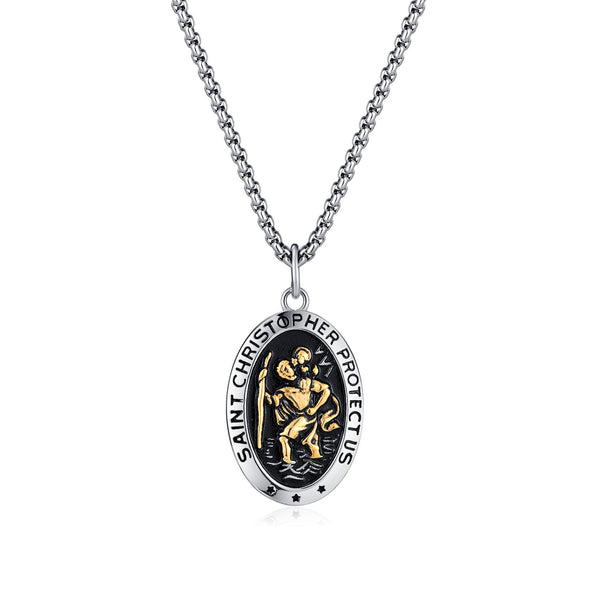
At Bennett & Cross, we deeply understand that your religious jewelry transcends mere adornment; it is a profound symbol of devotion and a cherished potential heirloom. For comprehensive guidance on religious jewelry care and preserving the sanctity of these pieces, we invite you to visit our detailed jewelry care guide before commencing any cleaning process.
Table of Contents
Why Gold Jewelry Tarnishes
A common misconception is that if gold tarnishes, it must be fake. This is not necessarily true. Pure gold (24 karat) is an inert element and does not rust or tarnish. However, pure gold is too soft for durable jewelry making. To create lasting pieces, jewelers mix gold with other metal alloys such as copper, silver, nickel, and zinc.
The Chemistry of Alloys
It is these non-gold alloy metals that react with moisture, sulfur, and oxygen in the air. For example, the copper in rose gold or the silver in standard yellow gold can oxidize, leading to a darkening of the surface. The lower the karat (like 10K or 14K), the higher the percentage of alloy metals, and consequently, the higher the risk of tarnish over time.
Environmental Factors
Your daily environment plays a significant role. Exposure to high humidity, chlorine in swimming pools, and even your body's natural pH levels can accelerate the tarnishing process. Cosmetics, perfumes, and hairsprays also contain chemical compounds that cling to gold surfaces, dulling their natural luster.
2026 Note: In an era valuing conscious consumption and 'quiet luxury,' maintaining the pristine condition of your heritage symbols aligns perfectly. Investing time in the proper care of your sacred jewelry is a testament to mindful ownership and lasting devotion.
Understanding the quality of materials is essential. Browse our premium Gold Cross collection to see how expert craftsmanship and high-quality alloy ratios translate to superior durability and lasting shine.
Essential Cleaning Materials
Before you begin the cleaning process, gather the right tools. Using household items that are too abrasive can permanently scratch the polished finish of your sacred items. A gentle approach is always best when learning how to clean tarnished gold.
- Mild Dish Soap: Look for a gentle, phosphate-free liquid soap (like Dawn or a specific jewelry solution).
- Warm Water: Not boiling, just warm to the touch.
- Soft-Bristle Toothbrush: A baby toothbrush is ideal as the bristles are softer than standard brushes.
- Lint-Free Cloth: A microfiber cloth or a jeweler's polishing cloth is essential for drying.
- Small Bowl: Ceramic or glass is preferred over plastic to avoid oil residue.

Step-by-Step Cleaning Methods
The standard soap-and-water method is safe for almost all gold jewelry, including pieces set with diamonds or durable gemstones. This method removes the buildup of oils and grime that trap tarnish against the metal.
- Fill a small bowl with warm water and add a few drops of mild dish soap. Mix gently until bubbles form.
- Submerge your gold jewelry in the solution. Let it soak for 15 to 20 minutes. This loosens dirt lodged in crevices.
- Remove the jewelry and gently scrub it with the soft-bristle toothbrush. Pay special attention to clasps, chain links, and the back of any pendants where dead skin cells accumulate.
- Rinse the piece thoroughly under warm running water. Ensure the drain is plugged to prevent accidents.
- Pat dry gently with a lint-free cloth. Allow it to air dry completely before storing or wearing.
If you own intricate pieces, such as those found in our 14K Gold religious jewelry selection, ensure you dry the links thoroughly to prevent moisture from getting trapped.
Deep Cleaning Techniques
Sometimes, a simple soak isn't enough for heavily tarnished vintage pieces or items that haven't been cleaned in years. In these cases, you may need a slightly more potent approach.
The Ammonia Solution (Use with Caution)
Ammonia is a powerful cleaner but must be used sparingly. Create a solution of one part ammonia to six parts water. Soak the gold for no more than one minute. Remove it immediately, rinse thoroughly, and dry. Warning: Do not use ammonia on jewelry containing pearls or porous gemstones like turquoise, as it can damage their surface.
Commercial Jewelry Cleaners
If you prefer a formulated solution, choose a commercial liquid cleaner designed specifically for gold. Read the label carefully to ensure it is safe for any gemstones your piece might hold. For more specific advice on different metal types, you might find our guide on cleaning gold rings helpful for handling settings and prongs.

Common Mistakes to Avoid
In the quest to make jewelry shine, many people accidentally damage their precious items using internet "hacks" that are actually harmful to gold alloys.
- Avoid Toothpaste: While often recommended for silver, toothpaste is abrasive (containing micro-particles like silica) and can scratch the softer surface of gold, dulling its finish over time.
- Skip the Baking Soda: Similar to toothpaste, baking soda is too abrasive for high-polished gold. It can leave microscopic scratches that eventually make the metal look cloudy.
- Never Use Bleach: Chlorine bleach is the enemy of gold. It creates a chemical reaction that breaks down the alloys, potentially causing the metal to become brittle and crack.
- Avoid Paper Towels: Wood-based paper products (tissues, paper towels) contain fibers that can scratch gold. Always stick to cotton or microfiber.
Prevention & Maintenance Tips
Preventing tarnish is easier than removing it. By adopting a few simple habits, you can keep your Bennett & Cross jewelry looking pristine for generations. Maintenance is not just about cleaning; it is about respecting the craftsmanship.
Proper Storage
Store your gold jewelry in a clean, dry place. Fabric-lined jewelry boxes are ideal because they absorb excess moisture and prevent scratches. For extra protection, consider using anti-tarnish strips in your storage box, which absorb sulfur compounds from the air.
The "Last On, First Off" Rule
Make your jewelry the last thing you put on after applying lotions, makeup, and perfumes, and the first thing you take off when you get home. This minimizes the contact time with corrosive chemicals. For detailed protocols on maintaining brilliance, refer to our jewelry care and maintenance section.

When to Seek Professional Care
While home cleaning is effective for maintenance, certain situations require a professional touch. If your jewelry has loose stones, deep scratches, or tarnish that won't budge, it is time to visit a jeweler. Professional ultrasonic cleaning and steam cleaning can restore brilliance that hand cleaning cannot match.
According to metallurgical standards, professional repolishing removes a tiny layer of metal to smooth out scratches, so this should only be done once or twice a year to preserve the integrity of the piece.
Frequently Asked Questions
Does vinegar clean gold jewelry?
Yes, white vinegar can be used to clean gold, though it is less effective than dish soap for removing oils. Soaking gold in vinegar for 10-15 minutes can help remove buildup, but avoid this method if your jewelry contains soft stones like pearls or opals.
Can I shower with my gold jewelry?
It is generally recommended to remove gold jewelry before showering. Tap water often contains chlorine and heavy metals that can contribute to tarnishing over time. Additionally, soap scum can build up in crevices, making the jewelry look dull.
Why did my gold turn black or copper-colored?
If your gold turns black or copper-colored, it is usually the result of the copper alloy reacting to an acidic environment (like your skin's pH or sweat). This is simply surface oxidation and can be removed with the cleaning methods described above.
Is it safe to clean gold plated jewelry the same way?
You must be much gentler with gold-plated jewelry. Do not scrub vigorously with a brush, as you can wear away the thin layer of gold. Stick to a gentle soak and a soft cloth wipe-down for plated items.
Conclusion: Preserving Your Sacred Investments
Learning how to clean tarnished gold is an essential part of owning fine religious jewelry. By using simple, non-abrasive methods like soap and water, you ensure that your pieces remain a shining testament to your faith. Regular maintenance not only improves appearance but prevents the buildup of corrosive elements that can weaken the alloy over time.
Whether you are restoring a family heirloom or caring for a new purchase, proper technique is key. Explore our Gold Cross collection to discover pieces designed with durability and timeless beauty in mind, backed by the Bennett & Cross commitment to quality.