How to Clean 14K Gold: 7 Expert Care Steps (2026)

For 2026, the most effective method for how to clean 14k gold involves soaking your jewelry in a gentle solution of warm water and fragrance-free dish soap for fifteen to thirty minutes. This is followed by a delicate scrub using a soft-bristled baby toothbrush, and finally, drying it with a lint-free microfiber cloth. This simple, non-abrasive technique safely removes daily buildup, body oils, and environmental pollutants without damaging the precious metal alloy.
Beyond mere aesthetics, maintaining the brilliant luster of your religious jewelry is an act of preserving a deeply personal symbol of faith Bennett and Cross's pearl cross necklaces. These pieces are crafted to be passed down through generations, embodying enduring devotion. For comprehensive context on religious jewelry care and establishing a routine that honors your cherished items, explore our dedicated jewelry care guide, outlining the foundational principles of fine metal preservation.
Table of Contents
- Understanding 14K Gold and Its Unique Properties
- Essential Materials for Cleaning Gold at Home
- Step-by-Step Guide on How to Clean 14K Gold
- Cleaning Different Karat Weights and Variations
- Advanced Care for Religious Jewelry and Gemstones
- Prevention and Daily Maintenance Strategies
- Common Mistakes That Can Damage Your Gold
- Frequently Asked Questions
- Securing Your Legacy with Bennett and Cross
Understanding 14K Gold and Its Unique Properties
To properly care for your sacred adornments, it is crucial to understand the very nature of the materials you are handling. Pure twenty-four-karat gold is inherently too soft for everyday wear, making it susceptible to bending, scratching, and structural deformation. To create pieces capable of withstanding the rigors of daily life, master jewelers mix pure gold with durable alloy metals.
The History and Metallurgy of Gold Alloys
Fourteen-karat gold consists of 58.3 percent pure gold, with the remaining 41.7 percent comprising a strategic blend of metals such as copper, silver, zinc, and occasionally nickel or palladium. This precise ratio offers the perfect equilibrium between the rich, warm hue of traditional gold and the structural integrity required for intricate religious pendants and sturdy chains.
2026 Note: We've observed a strong trend towards minimalist, layered gold jewelry for everyday devotion. The subtle integration of faith symbols into a sophisticated, understated style speaks to a desire for personal connection over overt display. This quiet aesthetic ensures pieces like a patinated gold cross remain timeless, cherished daily.
Delving into the how to clean 14k gold history reveals that ancient metalsmiths quickly realized that these added alloys, while providing necessary strength, introduced new vulnerabilities to the metal. Specifically, elements like copper and silver can react to moisture, sulfur, and acidic chemicals found in the environment. According to documented historical metallurgy of gold and its various standardizations, understanding this alloy composition is the exact reason why specialized, gentle cleaning methods were developed over centuries of jewelry craftsmanship.
Why Gold Loses Its Luster Over Time
Unlike sterling silver, pure gold does not truly tarnish or oxidize in standard environmental conditions. However, the alloy metals mixed into fourteen-karat gold can react slightly to extreme chemical exposure. More commonly, your gold piece appears dull or darkened simply due to the accumulation of everyday substances. Lotions, perfumes, natural body perspiration, and microscopic dust particles create a thin film over the surface of the metal.
This film traps light rather than reflecting it, completely masking the brilliant polish applied by the jeweler. When you explore the how to clean 14k gold meaning in a symbolic or spiritual context, the act of polishing away this worldly accumulation represents a restoration of purity and the renewal of one's visible commitment to faith.
Essential Materials for Cleaning Gold at Home
Achieving professional-level results at home requires the right tools. Using improper materials can cause microscopic abrasions that permanently dull the finish of your jewelry. Fortunately, the most effective cleaning agents are likely already in your home.
Safe Cleaning Agents and Solutions
The foundation of safe jewelry maintenance is absolute gentleness. You do not need harsh chemical dips or abrasive powders to restore the shine to your religious pendants. Gather the following materials before beginning the process:
- A mild, fragrance-free liquid dish soap to cut through body oils and cosmetic residues.
- Two small, clean bowls reserved specifically for jewelry cleaning to prevent accidental loss down a drain.
- Warm water, ensuring it is pleasantly warm to the touch but strictly avoiding boiling temperatures.
- A completely new, extra-soft baby toothbrush, which features softer bristles than standard adult brushes.
- A high-quality, lint-free microfiber cloth designed for optics or fine jewelry polishing.

Tools and Chemicals to Strictly Avoid
Understanding what is how to clean 14k gold properly heavily relies on knowing exactly what to avoid. Never use baking soda, toothpaste, or powdered cleansers on fourteen-karat gold. While these abrasives are popular home remedies for heavy silver tarnish, they act like microscopic sandpaper against the soft surface of gold alloys.
Additionally, keep your gold far away from household bleach, chlorine, and harsh solvents. These caustic chemicals can cause a reaction known as stress corrosion cracking in the alloy metals, leading to microscopic fractures that compromise the structural integrity of clasps, prongs, and delicate chain links.
Step-by-Step Guide on How to Clean 14K Gold
With the correct materials prepared, you can begin the restorative process. This method is universally recognized as the safest approach for solid fourteen-karat gold pieces that do not feature porous gemstones or delicate enamel work. By taking your time and following these steps, you maximize the how to clean 14k gold benefits, ensuring your pieces last a lifetime.
The Gentle Soap and Soak Method
Begin by filling your first small bowl with warm water and adding just a few drops of your mild dish soap. Agitate the water gently with your fingers until a light foam appears on the surface. Carefully place your gold jewelry into the solution, ensuring it is fully submerged. Allow the piece to soak undisturbed for fifteen to thirty minutes. This vital step gives the surfactants in the soap adequate time to break down hardened lotions and oils trapped in the intricate crevices of your religious jewelry.
After the soaking period, remove the piece and hold it securely. Using your soft-bristled baby toothbrush, apply incredibly light pressure and brush the jewelry. For flat surfaces, use gentle circular motions. For intricate engravings, such as the textured details on a crucifix, lightly dab the bristles into the recesses to lift away loosened debris without scraping the metal.
How to Clean a 14K Gold Chain Specifically
Learning how to clean 14k gold chain designs requires a slightly different physical approach due to the mechanical nature of the links. Never pull, stretch, or hang a chain while brushing it, as wet metal combined with tension can cause delicate links to permanently elongate or snap.
Instead, lay the soaked chain completely flat on a clean microfiber cloth or the palm of your hand. Gently tap the soapy toothbrush along the length of the chain, turning it over to address the other side. Once brushed, rinse the chain in your second bowl of clean warm water. Thoroughly dry the piece by gently patting it with your microfiber cloth—never aggressively rubbing or twisting the links.
If you frequently wear intricate chain styles, we highly recommend reading our specific guide on how to properly clean a gold chain to ensure you are protecting the specialized clasps and intricate weaves.
Cleaning Methods Comparison
| Cleaning Method | Safety Level | Time Required | Best Used For |
|---|---|---|---|
| Warm Water & Mild Soap | Extremely High | 20-35 minutes | Weekly maintenance, intricate chains, daily wear buildup |
| Professional Ultrasonic | Medium (Requires expertise) | 5-10 minutes | Heavy grime on solid gold pieces without fragile stones |
| Jewelry Polishing Cloth | High | 2-5 minutes | Quick daily touch-ups and restoring surface shine |
Cleaning Different Karat Weights and Variations
While fourteen-karat is the ideal standard for durable religious jewelry, you may own pieces of varying purities. The karat weight directly dictates the ratio of pure gold to alloy metals, which in turn alters how the jewelry responds to environmental factors and cleaning friction.
How to Clean 10K Gold
When determining how to clean 10k gold, you must account for its composition. Ten-karat gold contains 41.7 percent pure gold, making it the most durable but also the most prone to oxidation because it contains a majority percentage of alloy metals. You can use the exact same soap and water method described above, but you may need to perform this routine slightly more frequently, as the higher copper content can react to skin acidity faster.

How to Clean 18K Gold
Conversely, figuring out how to clean 18k gold requires an abundance of caution regarding physical pressure. Because eighteen-karat gold is 75 percent pure gold, it is significantly softer and more malleable. When brushing eighteen-karat pieces, reduce your physical pressure by half. Heavy scrubbing can easily leave micro-scratches across the highly polished surface. Always prioritize a longer soaking time over aggressive brushing when dealing with higher purity pieces.
Understanding these alloy differences is crucial for any collector. In fact, comprehensive research, such as GIA's research on gold alloys, highlights how the structural integrity of white, yellow, and rose gold varies drastically based on their specific non-gold components.
Advanced Care for Religious Jewelry and Gemstones
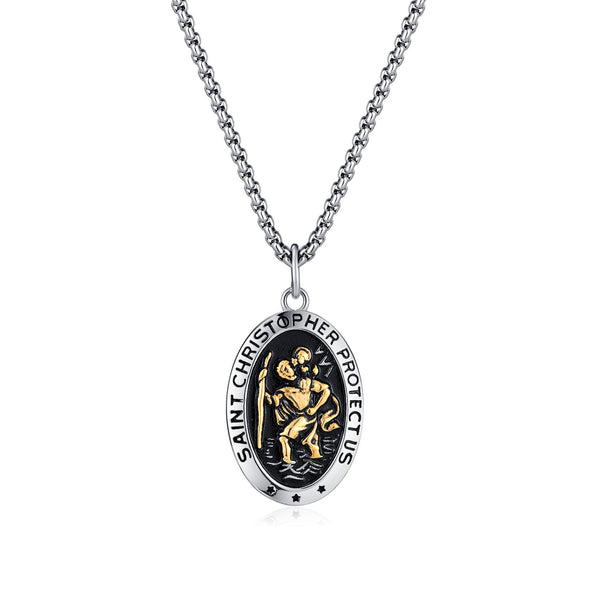
Religious jewelry often features profoundly intricate designs that demand specialized attention. A plain gold band is simple to wipe clean, but a beautifully detailed crucifix or a patron saint medal contains dozens of microscopic valleys where dirt can hide.
Protecting Intricate Cross Pendants
When caring for items from our premium Gold Cross collection, take special care around the junction where the pendant connects to the bail (the loop that holds the chain). This hinge area experiences constant friction and often accumulates the most buildup. Use the very tips of your soft toothbrush bristles to dislodge debris from these mechanical joints, ensuring the pendant continues to articulate smoothly on the chain.
If your piece features detailed diamond-cut edging, you must ensure you dry it completely. Leaving water to air-dry in these textured cuts will result in hard water spots that cloud the brilliant sparkle engineered by the craftsmen.
Dealing with Diamonds and Fragile Additions
If your 14K Gold religious jewelry features diamond accents, you can safely proceed with the warm water and dish soap method, as diamonds are impervious to mild detergents. However, if your pieces feature pearls, opals, emeralds, or intricate enamel inlays, you must immediately abandon the soaking method.
Porous stones and delicate enamels can absorb water and chemicals, leading to irreversible discoloration or structural cracking. For these specialized items, simply wipe the gold portions with a slightly damp microfiber cloth, strictly avoiding any contact with the vulnerable gemstones.
Prevention and Daily Maintenance Strategies
The secret to keeping your jewelry pristine is proactive prevention. By controlling what your fourteen-karat gold is exposed to on a daily basis, you drastically reduce the frequency of deep cleaning sessions required to maintain its original brilliance.
Proper Storage Techniques
When you remove your religious jewelry, never toss it carelessly onto a hard nightstand or into a communal jewelry box where pieces can tangle and scratch against one another. Gold should be stored individually. We highly recommend keeping your pendants and chains in their original Bennett & Cross presentation boxes or separate soft velvet pouches.
For chains specifically, always clasp the necklace closed before storing it. This simple habit prevents the chain from knotting upon itself, which can cause severe kinking and structural damage when you attempt to untangle it the next morning.
When to Remove Your Jewelry
To fully experience the how to clean 14k gold symbolism—which revolves around purity and preservation—you must respect the metal by removing it during high-risk activities. Take off your gold jewelry before entering chlorinated swimming pools or hot tubs, as chlorine is the absolute enemy of gold alloys.
Furthermore, remove your pieces before applying heavy lotions, sunscreens, or aerosol perfumes. Allow these cosmetics to fully dry and absorb into your skin before donning your jewelry. For a deeper understanding of proactive care, we suggest reviewing our detailed insights on daily jewelry care and maintenance routines.
Common Mistakes That Can Damage Your Gold
Even with the best intentions, many individuals unknowingly subject their precious heirlooms to damaging conditions. Identifying these common errors is critical to preserving the legacy of your Bennett & Cross pieces.
The Danger of Harsh Chemicals and Boiling Water
Never use boiling water to clean your gold jewelry. While fourteen-karat gold can withstand high temperatures, rapid changes in temperature (thermal shock) can cause any gemstones set within the piece to fracture instantly. Warm, comfortable water is all that is necessary to activate the dish soap.
Additionally, avoid the temptation to use specialized chemical dips sold in massive retail stores unless you know exactly what they contain. Many of these liquid dips are formulated exclusively for sterling silver tarnish and contain thiourea or sulfuric acid, which can pit the surface of gold alloys and permanently destroy the high-polish finish.
If you happen to also own silver pieces and need guidance on that entirely different chemical process, please consult our resource on cleaning techniques for tarnished sterling silver.

Abrasive Cloths and Brushes
Paper towels, tissues, and standard bath towels are manufactured from wood pulp and coarse cotton fibers. Wiping your gold jewelry with these household items will create thousands of microscopic scratches over time, resulting in a dull, satin-like appearance that can only be fixed by a professional jeweler's polishing wheel. Always use a dedicated microfiber cloth for drying and buffing.
Frequently Asked Questions
How often should I clean my 14k gold jewelry?
For pieces you wear daily, such as a signature cross pendant or chain, a gentle cleaning every two to three weeks is ideal. This prevents the buildup of body oils and lotions. Pieces worn only on special occasions can be cleaned every few months or simply wiped with a polishing cloth after each use before storage.
Can I use toothpaste to clean my 14k gold chain?
No, you should never use toothpaste to clean any karat of gold. Toothpaste contains abrasive elements designed to polish tooth enamel, which has a much higher hardness rating than fourteen-karat gold. Using toothpaste will cause micro-scratches that permanently dull the brilliant finish of your jewelry.
Why does my 14k gold jewelry look dull even after cleaning?
If your gold remains dull after a proper soap and water soaking, it likely has accumulated microscopic scratches from daily wear over several years. These scratches scatter light instead of reflecting it. In this case, the piece needs to be professionally buffed and polished by a jeweler to restore its original smooth surface.
Is it safe to wear my 14k gold cross in the shower?
While clean tap water will not instantly damage fourteen-karat gold, wearing your jewelry in the shower exposes it to heavy layers of body wash, exfoliating scrubs, and shampoos. These products leave a thick film on the metal that diminishes its shine. It is highly recommended to remove your jewelry before bathing.
Can I use an ultrasonic cleaner for my gold jewelry?
Ultrasonic cleaners are generally safe for solid fourteen-karat gold chains and pendants that do not feature gemstones. However, the intense vibrations can loosen prongs and completely shatter delicate stones like pearls, opals, or heavily included diamonds. Use ultrasonic devices with extreme caution and only on solid metal pieces.
Securing Your Legacy with Bennett and Cross
Mastering the art of cleaning your fourteen-karat gold ensures that your sacred jewelry remains as brilliant as the day you first received it. By utilizing gentle soaps, soft brushes, and avoiding harsh household chemicals, you actively protect the structural integrity and aesthetic beauty of your most cherished religious symbols.
We invite you to explore our premium Gold Cross collection to discover handcrafted masterpieces designed for lifelong wear. Every piece of fine jewelry from Bennett & Cross is backed by our comprehensive 1-Year Warranty, reflecting our unwavering commitment to supreme craftsmanship and your enduring faith.