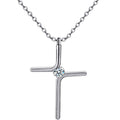
Jewelry Care And Maintenance: Complete 2026 Guide

Understanding proper jewelry care and maintenance is crucial for preserving your cherished pieces. At its core, jewelry care and maintenance involves the consistent practice of cleaning, safely storing, and actively protecting precious metals and gemstones from environmental damage. This vital upkeep prevents tarnishing, preserves structural integrity, and ensures that your meaningful items retain their original brilliance for generations to come.
Understanding the science behind metal reactions and adopting proper daily habits is essential for anyone who values their collection. For deeper context on preserving your most cherished religious pieces, we highly recommend reading our comprehensive jewelry care guide to establish a strong foundation in proper maintenance.
Table of Contents
- Understanding Jewelry Care and Maintenance
- How Different Materials React to Elements
- Essential Tools for Your Maintenance Kit
- Daily Jewelry Care Instructions and Habits
- Step-by-Step Cleaning Methods by Material
- Proper Storage and Long-Term Preservation
- Common Maintenance Mistakes to Avoid
- Frequently Asked Questions
- Conclusion: Preserving Your Spiritual Legacy
Understanding Jewelry Care and Maintenance
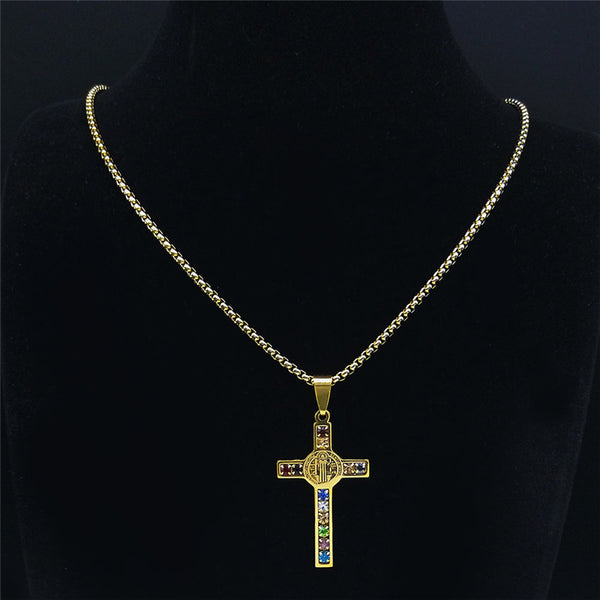
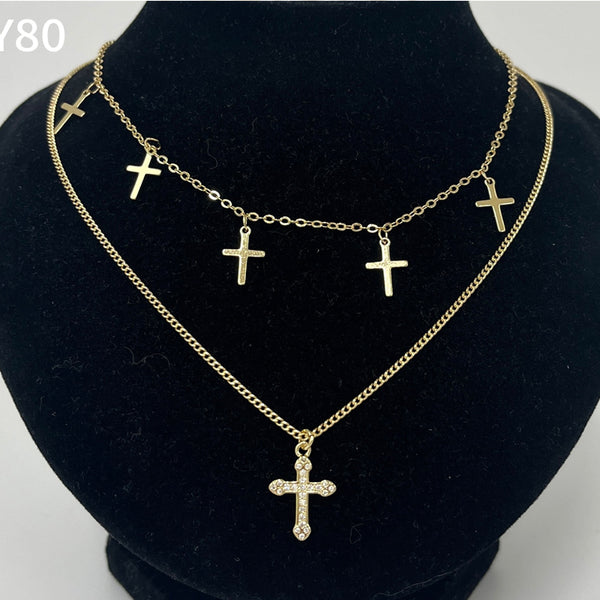
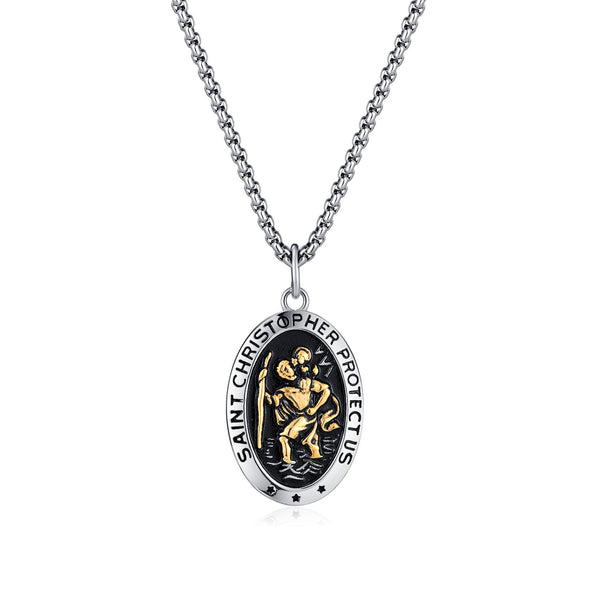
To truly appreciate the necessity of routine cleaning, one must explore the jewelry care and maintenance meaning beyond just aesthetics. Maintaining a piece of religious jewelry is an act of preserving a spiritual milestone. When a cross pendant or patron saint medal is kept pristine, it continues to honor the sacred meaning it represents.
The History and Symbolism of Maintenance
The jewelry care and maintenance history dates back to ancient civilizations, where priests and artisans meticulously polished sacred temple adornments using fine sand and natural oils. According to historical documentation of jewelry adornments, early metalsmiths understood that allowing a precious item to degrade was considered disrespectful to the deity it represented.
Today, the symbolism of jewelry care and maintenance remains profoundly similar. Polishing a baptismal cross or a confirmation pendant becomes a mindful practice, honoring the faith it represents. The benefits of diligent jewelry care and maintenance extend beyond mere shine; this routine prolongs the metal's lifespan, prevents skin irritation from tarnished alloys, and ensures the item can be cherished as a family heirloom.
2026 Note: The ongoing appreciation for quiet luxury and sustainable practices means cherished pieces are valued for longevity. This aligns with a growing desire for minimalist, meaningful jewelry that withstands fleeting trends, making diligent care an essential part of owning truly lasting symbols of faith.
How Different Materials React to Elements
Not all metals are created equal, and understanding their unique chemical compositions is the first step in effective preservation. 925 sterling silver, for example, is an alloy consisting of 92.5% pure silver and 7.5% copper. While the copper adds necessary strength to the soft silver, it is highly reactive to sulfur compounds present in the air, leading to the dark film known as tarnish.
The Science of Oxidation and Tarnish
Gold, particularly in its 14K and 18K forms, is inherently more resistant to oxidation than silver. However, the alloy metals mixed with gold to give it durability can still react to harsh chemicals like chlorine or strong perfumes. When you browse our pendant designs with spiritual significance, you will see how expert craftsmanship directly translates to long-term durability, minimizing these natural vulnerabilities through superior plating and finishing techniques.
- Sterling silver reacts to sulfur in the air, creating silver sulfide (black tarnish).
- Lower karat gold can dull due to the oxidation of its base metal alloys.
- Stainless steel forms a passive chromium oxide layer, making it highly resistant to rust.
- Porous materials like wood or certain gemstones can swell or crack if exposed to excessive moisture.

Hardness and Scratch Resistance
When discussing physical wear and tear, experts rely on the Mohs scale of mineral hardness. As taught by the Gemological Institute of America, materials with a lower Mohs rating can be easily scratched by those with a higher rating. This is why storing a diamond (Mohs 10) next to a gold cross (Mohs 2.5 to 3) without a protective barrier will inevitably result in deep scratches on the softer metal.
Essential Tools for Your Maintenance Kit
Building a dedicated cleaning kit is one of the most practical jewelry care tips you can implement. Using makeshift household items often leads to microscopic surface damage that permanently dulls the finish of your religious pieces.
Creating Your At-Home Cleaning Station
The foundation of any good maintenance routine is having the right supplies readily available. Avoid paper towels or standard tissues, as wood fibers are surprisingly abrasive and will leave micro-scratches on polished gold and silver surfaces over time. If you are looking for alternatives that require significantly less upkeep overall, explore our curated collection of incredibly durable and tarnish-resistant stainless steel options.
- Microfiber Polishing Cloths: Chemically treated cloths designed specifically for precious metals.
- Soft-Bristle Toothbrush: A baby toothbrush is ideal for reaching into the intricate crevices of a crucifix.
- Mild Dish Soap: Fragrance-free and dye-free soap to break down body oils without harsh chemicals.
- Glass Bowls: Better than plastic, which can sometimes harbor chemical residues from past use.
Daily Jewelry Care Instructions and Habits
The most effective form of maintenance is prevention. Implementing strict jewelry care instructions into your daily routine will drastically reduce the frequency of deep cleaning sessions required. The golden rule of jewelry wear is universally known among jewelers: "First on, last off."
The First On, Last Off Rule
Your religious jewelry should adhere to the 'first on, last off' principle. This means applying it after all cosmetics—hairspray, perfumes, lotions, and makeup—and removing it immediately upon returning home. This simple habit prevents harmful chemical compounds in these products from coating your pieces, which can accelerate tarnishing and degrade protective platings.
Environmental Hazards to Avoid
Beyond cosmetics, everyday environments pose hidden threats to fine metals. Chlorinated water in swimming pools and hot tubs is highly corrosive to gold alloys and can cause structural weakness in chain links. Similarly, the salt in ocean water leaves a corrosive residue. Always remove your Bennett & Cross pieces before swimming, exercising heavily, or performing household chores with cleaning solvents.

Step-by-Step Cleaning Methods by Material
When daily prevention isn't enough, knowing how to actively remove buildup is crucial. Different metals require entirely different approaches to ensure their longevity and brilliance.
Cleaning 925 Sterling Silver
For mild to moderate tarnish, a gentle bath is highly effective. Mix a few drops of mild dish soap into a bowl of warm water. Submerge your silver piece for five to ten minutes to loosen body oils. Using a soft-bristle brush, gently clean the detailed areas of the pendant, being careful not to apply heavy pressure. For a highly detailed walkthrough specifically focused on hand jewelry, read our dedicated tutorial on restoring the brilliance of your silver rings using safe, household methods.
Sanitizing and Polishing
After washing, always rinse your jewelry under clean, running warm water. Ensure the drain is closed to prevent accidental loss. Pat the piece completely dry with a lint-free microfiber cloth. Any residual moisture left in the crevices of a chain can lead to rapid re-tarnishing. Similarly, pieces worn through piercings require extra hygienic attention, which we cover extensively in our guide to properly sanitizing and cleaning silver earrings without damaging delicate posts.
Proper Storage and Long-Term Preservation
How you store your jewelry when it is not being worn is just as critical as how you clean it. Tossing chains and pendants onto a bedside table exposes them to ambient moisture and the constant risk of tangling and scratching.
Controlling Humidity and Air Exposure
Oxidation requires air and moisture to occur. By controlling these two factors, you can effectively halt the tarnishing process. Store your silver and gold pieces in a fabric-lined jewelry box that features separate compartments. For pieces you rarely wear, consider storing them in small, airtight polyethylene bags along with a silica gel packet to absorb any trapped moisture.
- Keep jewelry boxes away from direct sunlight and heating vents.
- Use anti-tarnish strips inside your storage compartments to neutralize sulfur in the air.
- Never store multiple chains in the same pouch, as they will tangle and scratch each other.
- Fasten the clasps on your necklaces before storing them to prevent knotting.
Even robust materials benefit from dedicated storage spaces; you can learn more about maintaining the finish of stainless steel jewelry to ensure your modern pieces stay completely scratch-free over the years.
Common Maintenance Mistakes to Avoid
Despite good intentions, many people accidentally damage their precious items by following outdated or incorrect jewelry care tips. Being aware of these common pitfalls will save your collection from irreversible harm.
The Toothpaste Myth
One of the most damaging internet myths is using toothpaste to clean silver or gold. Toothpaste is highly abrasive, designed to scrub enamel from human teeth. When applied to precious metals, it creates thousands of microscopic scratches that permanently dull the mirror finish of the jewelry. Once this damage occurs, only professional mechanical polishing can restore the piece.

Ultrasonic Cleaner Misuse
While ultrasonic cleaners are excellent for solid gold and diamonds, they can be disastrous for other materials. The intense vibrations can loosen the settings of small stones, shatter heavily included gems, and strip away intentional dark oxidization (patina) used to highlight the intricate details of religious medals. Always verify your piece's specific material requirements before using automated cleaning machines.
Frequently Asked Questions
What is the most important rule of jewelry care and maintenance?
The most crucial rule is keeping your jewelry dry and away from harsh chemicals. Implement the "first on, last off" habit: put your jewelry on after applying makeup, perfumes, and hairspray, and take it off immediately upon returning home before washing your hands or showering.
How often should I follow these jewelry care instructions?
Light preventative maintenance, such as wiping your piece with a microfiber cloth, should be done daily after wearing. A deeper cleaning using mild soap and warm water is recommended every two to three weeks for pieces you wear regularly, preventing the buildup of body oils.
Does proper jewelry care and maintenance restore heavily tarnished items?
Yes, correct maintenance can completely restore heavily tarnished sterling silver. While mild tarnish can be removed with a polishing cloth, heavy black tarnish may require a dedicated silver cleaning dip or a baking soda and aluminum foil chemical bath to reverse the oxidation process.
What are the main jewelry care and maintenance benefits?
Regular maintenance preserves the physical structural integrity of the metal, maintains the brilliant reflective shine, prevents skin irritation caused by tarnished alloys, and protects the spiritual and financial investment of your religious heirlooms for future generations.
Can I wear my religious jewelry in the shower?
It is highly recommended to remove all jewelry before showering. Tap water contains harsh minerals, and body washes leave a dulling film on metals and stones. Over time, moisture trapped in the chain links or clasp mechanisms will accelerate tarnishing and can cause internal rusting in cheaper clasps.
Conclusion: Preserving Your Spiritual Legacy
Proper jewelry care and maintenance is a rewarding practice that honors both the artistry of your pieces and the profound faith they represent. By understanding how different metals react to their environment and implementing simple, daily protective habits, you can ensure your collection remains pristine.
We invite you to experience the difference that true craftsmanship makes by exploring our pendant designs with spiritual significance. Every piece from Bennett & Cross is engineered for lasting beauty and comes fully backed by our comprehensive 1-Year Warranty, ensuring your spiritual legacy shines brightly for years to come.