How to Clean Sterling Silver Ring: Expert Care Guide (2026)

Discover precisely how to clean your sterling silver ring and restore its luminous shine with our comprehensive guide for 2026. Whether it’s light tarnish or persistent darkening, learning how to clean a silver ring effectively ensures your treasured piece endures.
Your sacred jewelry, a cherished reminder of faith, naturally encounters elements that can dull its intrinsic luster. Whether it’s a minimalist band or an intricately crafted cross, meticulous care is vital for preserving both its physical beauty and profound spiritual resonance. For extensive guidance on nurturing all your precious metals, explore our comprehensive jewelry care guide.
Table of Contents
The Science of Silver Tarnish
Before diving into cleaning methods, it is crucial to understand why your sterling silver ring loses its shine. Many people mistakenly believe that tarnish is a sign of low quality, but the opposite is often true. Tarnish is a natural chemical reaction that occurs on the surface of genuine silver.
Oxidation vs. Sulfidation
While often called "oxidation," the darkening of silver is actually sulfidation. When silver reacts with sulfur-containing compounds in the air (hydrogen sulfide), it creates silver sulfide. This compound appears as a black, grey, or yellowish layer on the surface of the metal.
According to metallurgical standards found in Wikipedia, sterling silver is an alloy consisting of 92.5% pure silver and 7.5% other metals, usually copper. While pure silver is relatively resistant to tarnish, the copper content in 925 sterling silver reacts more readily with moisture and sulfur, accelerating the tarnishing process. This indicates that your jewelry is made of durable, authentic materials rather than being merely plated with inert base metals.

Essential Cleaning Materials
Cleaning your jewelry does not require expensive equipment or harsh chemicals. In fact, the safest tools are likely already in your kitchen. To restore the shine to your cherished pieces, gather the following items.
Recommended Tools
- Mild Dish Soap: Choose a fragrance-free, phosphate-free soap to avoid chemical residue.
- Baking Soda: Essential for neutralizing acids and acting as a mild abrasive.
- Microfiber Cloth: Never use paper towels, which contain wood fibers that can scratch silver.
- Soft-Bristle Toothbrush: A baby toothbrush is ideal for reaching into the crevices of religious symbols.
When selecting your cleaning tools, verify that you have two separate bowls: one for the cleaning solution and one for rinsing. This ensures that removed tarnish particles do not re-deposit onto the ring.
Step-by-Step Cleaning Methods
There are several ways to clean a sterling silver ring depending on the level of tarnish and the intricacy of the design. Below are the three most effective methods approved by jewelers for how to clean sterling silver rings effectively.
Method 1: The Soap and Water Bath (For Light Tarnish)
This is the gentlest method and should always be your first attempt, especially for rings with gemstones. It removes body oils, lotions, and dust that make the ring appear dull.
- Mix a few drops of mild dish soap into a bowl of warm water until bubbles form.
- Submerge your ring and let it soak for 5 to 10 minutes to loosen debris.
- Gently scrub the ring with a soft toothbrush, paying attention to the back of the setting.
- Rinse under warm running water (ensure the drain is plugged).
- Dry thoroughly with a microfiber cloth.
Method 2: The Baking Soda Paste (For Moderate Tarnish)
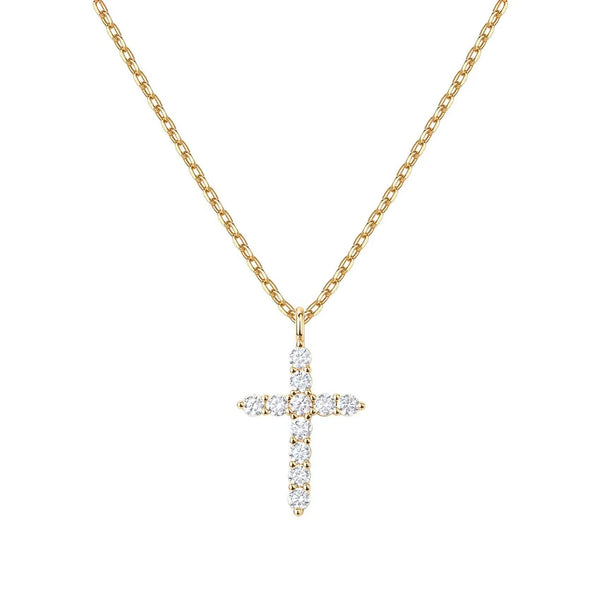
For rings that have started to yellow or darken, a mild abrasive paste is necessary. This method is particularly effective for plain bands or detailed Sterling Silver Cross pendants and rings where tarnish hides in the crevices.
- Combine two parts baking soda with one part water to form a thick paste.
- Apply the paste to the ring using a soft cloth or your fingers.
- Rub gently in a back-and-forth motion (not circular, to avoid swirl marks).
- Let the paste sit for 2-3 minutes if the tarnish is heavy.
- Rinse thoroughly and buff dry.
Method 3: The Electrolysis Bath (For Heavy Tarnish)
This method uses science to reverse the chemical reaction, transferring the sulfur from the silver to aluminum foil. It is excellent for restoring multiple pieces at once.
- Line a glass bowl with aluminum foil, shiny side up.
- Place your silver rings on the foil, ensuring they touch the aluminum.
- Pour boiling water into the bowl until the rings are submerged.
- Add one tablespoon of baking soda and one tablespoon of salt.
- Wait for 5 to 10 minutes; you may smell a sulfur "rotten egg" scent, which means it is working.
- Remove rings with tongs, rinse, and dry.
Please note: Do not use the electrolysis method on rings with oxidized (intentionally darkened) designs, as it will remove the decorative blackening.

Deep Cleaning for Stubborn Tarnish
Sometimes, home remedies are not enough for antique or heavily neglected pieces. In these cases, you may need to utilize specialized products or professional services.
Commercial Silver Polishes
High-quality silver polishes contain specific anti-tarnish agents that leave a protective barrier on the metal. When using creams or dips, always wear gloves and work in a ventilated area. Apply a small amount to a cellulose sponge or cotton ball, rub gently, and wipe away. Avoid "dip" cleaners for rings with stones, as the chemicals can weaken the adhesive holding the gem in place.
Professional Ultrasonic Cleaning
For the ultimate restoration, professional jewelers use ultrasonic cleaners that use sound waves to dislodge dirt from microscopic crevices. If you own pieces from our premium collections, such as our elegant Silver collection, taking them for an annual professional inspection and cleaning ensures the prongs remain tight and the finish remains flawless.
Special Care for Gemstone Rings
Not all sterling silver rings are plain metal. Many feature religious iconography accented with gemstones. The cleaning method must be adapted to the specific stone to avoid permanent damage.
Hard Stones (Diamonds, Sapphires, CZ)
Crystalline stones are generally safe with the soap and water method or the baking soda method. However, ensure you rinse thoroughly so no residue remains behind the stone, which can reduce its sparkle.
Soft and Porous Stones (Pearls, Turquoise, Opals)
Organic and porous stones require extreme caution. Never use baking soda, vinegar, or ammonia on these gems, as they can dissolve the stone's surface or dull its luster. For these delicate pieces, use a damp cloth only on the silver parts, avoiding the stone completely. If you are unsure about the nature of your stone, consult Britannica's gemstone reference or a professional jeweler before cleaning.
Prevention & Maintenance Tips
The best way to clean your silver is to prevent tarnish from forming in the first place. By adopting a few simple habits, you can drastically reduce the frequency of deep cleanings required.
Proper Storage
Oxygen and moisture are the enemies of silver. Store your rings in an airtight Ziploc bag or a jewelry box lined with anti-tarnish cloth. Adding a silica gel packet or a piece of white chalk to your jewelry box can help absorb excess moisture from the air.
The "Last On, First Off" Rule
Make your jewelry the last thing you put on before leaving the house and the first thing you take off when you return. This prevents contact with perfumes, hairsprays, and lotions, which contain chemicals that accelerate tarnishing.
2026 Note: The current emphasis on mindful consumption and quiet luxury means wearers are seeking pieces that transcend trends, crafted for longevity. Layering delicate sterling silver rings with subtly patinated gold pieces continues to be a popular expression of personal style, allowing for a nuanced display of faith that is both contemporary and timeless.
For more detailed maintenance strategies, specifically for different finishes, you might find our guide on cleaning tarnished sterling silver helpful for broader jewelry collections.

Common Mistakes to Avoid
In the pursuit of a shiny ring, many people accidentally damage their jewelry by using harsh household items. Avoiding these common pitfalls will ensure your ring lasts a lifetime.
- Toothpaste: While often cited as a hack, modern toothpaste contains abrasive particles (silica) that are harder than silver. Using it can leave micro-scratches that make the ring look cloudy over time.
- Bleach and Chlorine: Never wear your sterling silver ring in a swimming pool or hot tub. Chlorine reacts instantly with silver, turning it black and potentially pitting the metal surface.
- Hand Sanitizer: The high alcohol content and added scents in hand sanitizers can strip away protective coatings and tarnish the metal. Always remove your rings before sanitizing your hands.
- Paper Products: As mentioned earlier, tissues and paper towels are wood-based. Always stick to 100% cotton or microfiber cloths for polishing.
Frequently Asked Questions
How often should I clean my sterling silver ring?
You should lightly clean your ring with soap and water every 2-4 weeks if you wear it daily. A deeper cleaning with baking soda or a polishing cloth is recommended every 2-3 months or whenever visible tarnish appears. Regular maintenance prevents the tarnish from becoming difficult to remove.
Can I wear my silver ring in the shower?
It is generally best to remove sterling silver before showering. While pure water isn't harmful, the chemicals in soaps, shampoos, and body washes can cause a film to build up on the ring and accelerate tarnishing. Additionally, the steam and heat can loosen gemstone settings over time.
Does vinegar clean sterling silver?
Yes, a mixture of 1/2 cup white vinegar and 2 tablespoons of baking soda creates a fizzing solution that can clean silver. Soak the ring for two to three hours. However, this method is more aggressive than soap and water, so it should be used sparingly and never on rings with gemstones or pearls.
Why does my finger turn green from my silver ring?
This is known as the "copper reaction." Sterling silver is 7.5% copper. If your skin is acidic or if there is moisture (sweat/lotion) trapped between the ring and your finger, the copper reacts, leaving a green stain. It is not harmful and washes off. Keeping the ring dry and clean prevents this.
Conclusion: Preserving Your Faith Symbols
Cleaning your sterling silver ring is more than a chore; it is an act of stewardship for a symbol that represents your faith and values. By understanding the science of tarnish and employing simple, gentle cleaning methods like soap and water or baking soda, you can ensure your jewelry remains as brilliant as the day you received it. Avoid harsh chemicals, store your pieces correctly, and address tarnish early to protect the metal's integrity.
At Bennett & Cross, we believe quality craftsmanship deserves quality care. If you are looking to expand your collection with pieces designed to last a lifetime, explore our Sterling Silver Cross collection today. All our jewelry comes with a comprehensive warranty, ensuring that your spiritual investments are protected for years to come.